While BTS and BIGBANG dominate the headlines with their long-awaited returns, the financial reality of the entertainment sector tells a much grimmer, more complex story about the industry's future.
From Peak Hype to Market Correction: The Idol Lifecycle
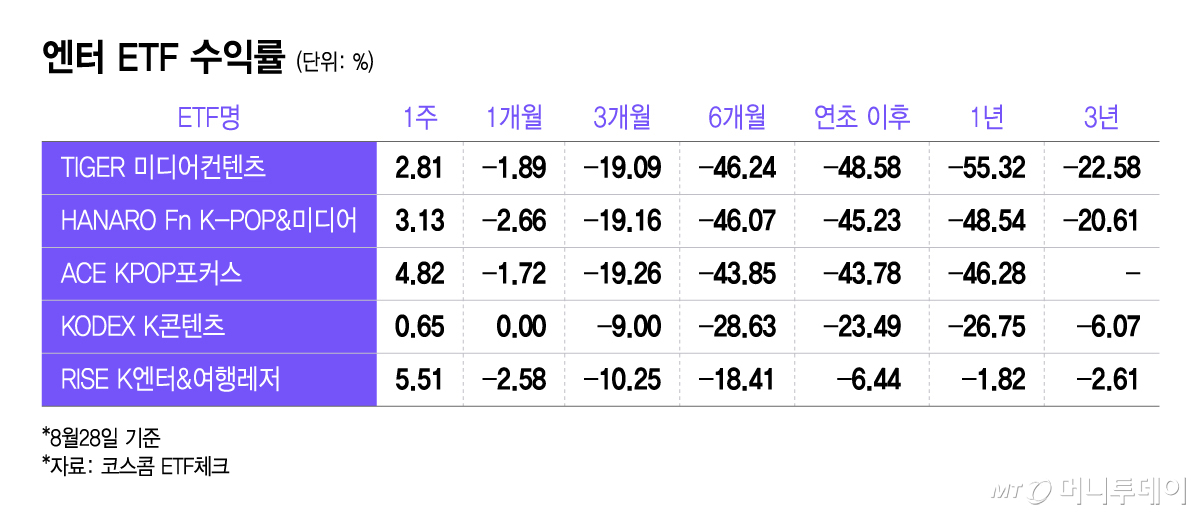
We are currently witnessing a fascinating, albeit sobering, dichotomy in the world of Hallyu. On one side, we have the sheer, unstoppable cultural force of BTS and BIGBANG—groups that have defined their respective decades and continue to capture the global imagination. Their comebacks serve as powerful reminders of the 'Golden Era' of idol performance, where a simple rumor of a release can send shockwaves through social media. However, beneath the gloss of these monumental returns lies a harsh financial reality: the K-pop entertainment ETF sector has seen a staggering 40% decline this year. This isn't just a market fluctuation; it is a signal that the traditional valuation models of entertainment agencies, once fueled solely by the promise of the 'next big thing,' are undergoing a fundamental and necessary stress test.
Mapping the Milestones: When Legacy Meets Reality
To understand why this is happening, we must look at the career timelines of these icons. When BIGBANG hit the scene in the mid-2000s, they revolutionized the 'self-producing idol' concept, establishing a legacy that allowed for long-term brand equity beyond physical sales. Similarly, BTS’s rise from a small agency underdog to global icons shifted the paradigm, proving that digital-first fandom engagement could outpace legacy marketing. However, the current slump indicates that the market has reached a saturation point. Investors are no longer blinded by the 'star power' of legacy acts. They are looking at the diminishing returns of high-budget marketing cycles and the increasing cost of acquiring new, loyal fanbases in an incredibly fragmented streaming landscape.
The Sustainability Trap in Agency Valuations
Historically, K-pop agencies were valued on the potential of their next major debut or the expected revenue from a world tour. But as the industry has matured, the economic friction of these comebacks has increased. Producing a comeback for a legacy act today requires a massive infusion of capital to stay relevant against viral-focused short-form content. Fans are now more discerning, and the cost of keeping a group in the 'A-tier' spotlight is exponentially higher than it was even five years ago. This creates an Idol Paradox: the more famous the act, the higher the barrier to profitability when the broader economy is tightening. The -40% drop reflects investor anxiety that the industry's reliance on perpetual growth cycles is finally meeting the physical limits of global fan wallets.
The Post-BTS Era: Redefining Value Beyond the Charts
Looking at the trajectory from the second generation (BIGBANG) to the current global dominance of BTS, we see a shift from 'culturally significant' to 'financially essential.' The industry is now grappling with the fact that even the most influential stars cannot act as a shield against macroeconomic trends. As these artists move into the next stages of their careers—moving toward solo ventures, creative autonomy, or military hiatus management—agencies are realizing that diversification is no longer optional. The next chapter of K-pop will likely be defined by how agencies manage these 'superstar legacy' costs while simultaneously trying to build a foundation that isn't solely dependent on the massive, risky financial gambles of traditional idol comebacks.
What Comes Next: A Shift in the K-Pop Narrative
For fans, this news might feel disconnected from the joy of seeing their favorites return to the stage, but it is a critical turning point for the industry at large. We are moving away from the era where 'comeback = stock price spike.' Instead, the market is signaling a demand for operational efficiency and more sustainable business models. Whether it’s through AI-driven content, deeper integration of multimedia platforms, or a shift toward global collaborative projects, the industry is in a 'correction phase.' It’s a moment of reflection that will ultimately decide which labels will continue to thrive and which ones will be forced to restructure. The comeback is no longer just about the music; it’s about proving that the K-pop machine can evolve to meet a more demanding, complex financial future.
Source Article: Read the original Korean news here
#KpopIndustry #BTS #BIGBANG #KpopStocks #EntertainmentBusiness #IdolCulture #MarketTrends #HallyuWave #KpopNews #MusicEconomics
