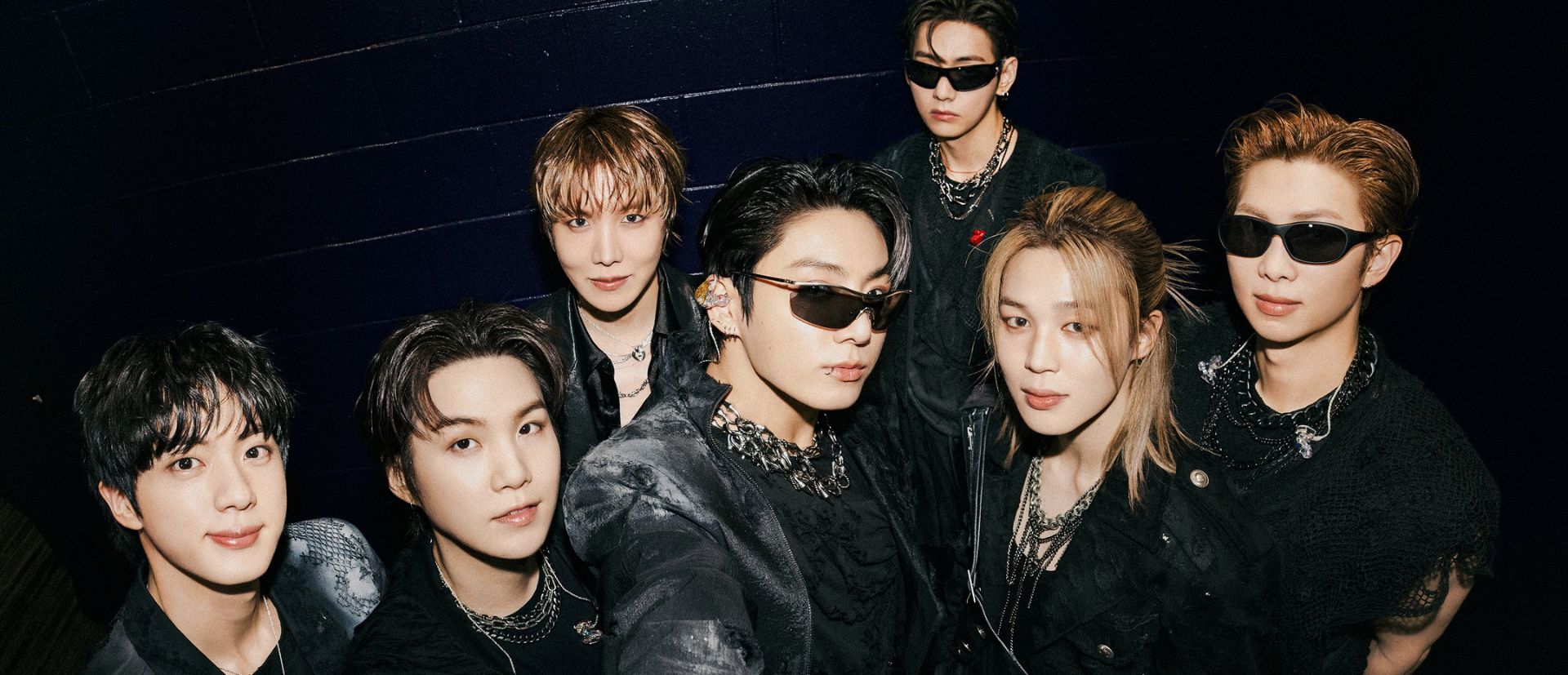
The Monetization Shift: Comparing BTS to the 'Second Gen' Touring Models
When we look at the staggering revenue figures BTS generated in just a single month of touring, it is impossible not to compare this fiscal titan to the touring models of the second-generation K-pop era. Back in the day, agencies like SM or YG relied heavily on massive arena tours that spanned months, often squeezing idols into grueling 50-plus show schedules to recoup costs and build regional fanbases. Today, BTS has effectively flipped this script. By condensing their reach into fewer, higher-intensity, high-revenue windows, they have achieved a level of financial efficiency that their predecessors couldn't have imagined. It’s no longer about how many nights you can survive on the road; it’s about the sheer, concentrated power of the brand when the scarcity model is dialed to perfection.
From Volume to Value: The Evolution of the 'Stadium-Only' Strategy
If we look back at the Love Yourself tour era, the goal was establishing a foothold in major international hubs. Compare that to the current trajectory where BTS operates exclusively in stadium-grade environments. The difference isn't just inflation or ticket pricing; it is a fundamental shift in the economics of scale. In their earlier years, the group was building the skyscraper—laying the foundation stone by stone. Now, they are the architectural standard by which all other international acts are measured. This transition from a volume-heavy touring cycle to a surgical, high-impact model suggests that BTS has transcended the typical K-pop trajectory and moved into the rarified air of global legends like Coldplay or U2, where the tour is not just a promotional vehicle for an album, but a standalone multimillion-dollar enterprise.
The genius of the modern BTS business model lies in its defiance of the 'grind-culture' that defines traditional K-pop; by prioritizing high-yield, short-duration engagements, they have transformed concert revenue into a masterclass in market scarcity and brand valuation.
The Comparative Lens: What Separates the Current Highs from Previous Milestones
The most fascinating aspect of this financial report is how it distinguishes the group’s collective power from their current solo-focused chapter. In past years, BTS’s touring revenue was a monolithic beast, representing the synergy of seven distinct personalities. Now, even with members pursuing solo projects, the touring footprint remains immense. This differentiates them from peers like BLACKPINK, who utilize a very successful, highly disciplined, and global touring circuit that focuses on massive reach across varied continents. While others chase the 'global expansion' metrics that BTS pioneered half a decade ago, BTS is already solving the next puzzle: sustainable growth in the absence of a full group presence. This isn't just about sales; it’s about the infrastructure they built that keeps the machine running regardless of the specific lineup on stage.
Future-Proofing the Fandom Economy
Looking ahead, the industry is closely watching how these revenue peaks influence the next generation of agencies. Younger groups like NewJeans or Stray Kids are already adopting parts of the 'BTS Blueprint'—leaning into premium experiences and digital integration—but the sheer scale of the revenue reported recently proves that BTS isn't just leading the pack; they are setting the speed limit. The fan experience has evolved from simply attending a concert to participating in a global event that integrates digital streaming, exclusive merchandise drops, and massive, centralized stadium hubs. This shift ensures that even when the group is not physically present, the economic machinery remains the most formidable in the music industry.
The Psychology of the 'Must-See' Event
Ultimately, these numbers reveal the psychological evolution of the BTS fanbase. The willingness to invest in these tours, even as the market becomes more saturated with K-pop offerings, speaks to the cultural gravity that the group holds. Unlike past eras, where fans might see a group multiple times in a cycle, the current trend is one of 'event-goers.' Fans are saving their resources for these exclusive, career-defining tour windows. This is a critical distinction from the old guard of the idol industry, where fans were encouraged to be 'always on' for every comeback. BTS has successfully turned their live presence into a 'once-in-a-lifetime' cultural touchstone, ensuring that when they do hit the road, the revenue doesn't just meet expectations—it shatters them.
Source Article: Read the original Korean news here
#BTS #KpopEconomics #GlobalMusicIndustry #TouringSuccess #Hybe #IdolBusiness #KpopAnalysis #StadiumTour #MusicBusiness #BTSARMY
