8/29/2026

[K-POP] The Art of Stripping Back: Why Jennie's Minimalist Pivot Is Her Most Daring Career Move Yet

K-POP Real News Scene

From Global Icon to Sonic Architect: A Decade in the Making

When we look back at the trajectory of Jennie Kim, it’s impossible to ignore the sheer velocity of her rise. From the hyper-glamorous, high-octane fashion editorials that defined her early years as a BLACKPINK pillar to her record-breaking solo debut with 'SOLO', Jennie has always lived at the intersection of trendsetting and performance. For years, she was the blueprint for the 'It Girl' aesthetic—a calculated mix of couture luxury and aggressive stage presence. However, her latest creative pivot toward a minimalist soundscape represents a tectonic shift in her career timeline. By shedding the heavy, synthesized production that propelled BLACKPINK to global superstardom, Jennie is finally inviting us to hear the artist beneath the brand.

By trading the safety of maximalist pop for the vulnerability of minimalism, Jennie is repositioning herself from a global fashion icon to a singular, self-actualized sonic architect.

The Evolution of Authenticity: Tracing the Solo Path

To understand the weight of this new musical direction, we have to contextualize it within her broader history. In the early days, Jennie’s identity was deeply intertwined with the cohesive, polished group dynamics of BLACKPINK. Her 2018 solo debut was a statement piece—a confident, swagger-filled anthem that solidified her status as a powerhouse. But as the years passed, Jennie began to test the boundaries of her public persona, appearing in diverse projects like the HBO series The Idol and engaging in various high-fashion collaborations. This period was crucial; it allowed her to accumulate the creative equity necessary to finally step away from the maximalist expectations placed on her by the K-pop industry. This transition isn't just about sound; it's about the conscious deconstruction of the 'Idol' archetype.

Minimalism as a Creative Reset

What we are seeing now is a deliberate attempt to strip away the noise. By opting for a more minimalist sound, Jennie is forcing the audience to focus entirely on her vocal texture and lyrical sincerity. In a landscape where K-pop is often defined by intricate, multi-layered production and rapid-fire visual changes, this choice is remarkably rebellious. It’s a move that suggests a transition from 'performance-first' to 'artist-first.' This pivot mirrors the career arcs of legendary soloists who eventually moved toward acoustic and lo-fi aesthetics to prove their artistic longevity. It signals that Jennie is no longer just a member of a group or a fashion muse; she is an artist concerned with the raw, unfiltered act of self-reflection.

Setting the Stage for the Next Era

Looking ahead, this transition serves as a bridge to her next professional chapter. For fans who have watched her grow since her 2016 debut, this move feels less like a surprise and more like a long-awaited homecoming. The industry is saturated with high-energy comebacks, making this minimalist pivot feel like an oasis of clarity. It effectively recalibrates the audience’s expectations, preparing us for a future where she controls the narrative, the pace, and the tone of her discography. By opting for a sound that invites intimacy rather than demanding attention through sheer volume, she is securing her place as a mature solo musician who possesses the confidence to stand alone, even without the bells and whistles that defined her earlier accolades.

The Psychology of the Self-Reflective Pop Star

Finally, we have to address the 'self-reflection' aspect noted in recent reports. When an artist of Jennie’s stature chooses to look inward, the fans—often referred to as BLINKs—are given a unique window into her personal growth. The minimalist aesthetic acts as a mirror; it doesn't try to distract the listener with complex choreography or bombastic trap beats. Instead, it places the focus squarely on the identity she has built over the last decade. This is the moment where the career milestones of the past—from Coachella headlining sets to global luxury brand ambassadorships—converge to give her the freedom to create art that feels purely her own. The journey from the stage of a sold-out stadium to the quiet, introspective studio is arguably the most significant move she has made to date.


Source Article: Read the original Korean news here

#Jennie #BLACKPINK #KpopNews #Minimalism #Soloist #JennieKim #KpopAnalysis #MusicEvolution #ArtistDevelopment #BTS
[K-POP] The Invisible Engine: Unpacking the Marathon Planning Behind BTS's Global Touring Dominance

K-POP Real News Scene

While the headlines focus on the chart position, the real story is found in the grueling, multi-year logistical symphony that makes a BTS tour a global force.

The Invisible Architecture of a Global Tour

When we see BTS landing at the number two spot on the Billboard Boxscore rankings, it’s easy to view it as a singular moment of triumph. However, the reality of a world-class tour is a logistical marathon that begins long before a single ticket is sold. It isn't just about the music; it’s about the complex integration of venue scouting, local infrastructure partnerships, and a bespoke supply chain that ensures every production element—from the custom stage riggings to the high-definition LED screens—translates perfectly from Seoul to São Paulo. The success we see on the charts is actually the result of a massive project management operation that Hybe meticulously refines, ensuring that the 'BTS Experience' remains consistent even in the world's most challenging performance spaces.

Beyond the Ticket Sales: The Science of Scalability

What fans often don't realize is that these high-ranking tour figures are supported by a data-driven ecosystem that anticipates regional demand years in advance. The preparation involves analyzing everything from local fan demographics to historical ticketing trends, allowing the team to optimize seating capacities and pricing structures that maximize both accessibility and revenue. This strategic approach effectively turns touring into a precision art form. By treating each market as a unique cultural puzzle, the management team doesn't just put on a concert; they construct a temporary, high-impact cultural ecosystem that captures the attention of local economies, driving the kind of numbers that keep BTS firmly at the pinnacle of the Billboard charts even during downtime.

The Hidden Cost of Excellence

The rigorous process of maintaining such high performance standards requires an incredible amount of behind-the-scenes resilience. During the planning phases, there is an intense focus on sustainable growth, where production teams weigh the cost of massive touring parties against the environmental impact and the physical toll on the members themselves. This balance is what makes their touring strategy distinct from many western counterparts. They invest heavily in touring technology—such as advanced sound engineering and automated show control systems—that allows them to deliver a stadium-level spectacle with unprecedented efficiency, ensuring that the quality remains unmatched even when the tour schedule is incredibly demanding.

The Synergy of Marketing and Logistics

Another often overlooked facet is the seamless integration of digital marketing with physical logistics. Before a venue is even confirmed, the campaign to generate hype is already in motion, utilizing fan-centric engagement tools that create a sense of scarcity and urgency. This isn't accidental; it’s a masterclass in modern commercial psychology. By building community-specific content that resonates with regional fanbases, the BTS machine ensures that when the tour dates are finally dropped, the ticket demand is instantaneous and global. This synergistic alignment between the creative team and the logistical planners is the secret sauce that transforms a routine concert run into a headline-grabbing, record-shattering event.

Preparing for the Next Chapter of Global Live Performance

As we look toward the future, it is clear that the blueprint established by these touring milestones is being constantly updated. We are seeing a shift toward more localized fan engagement, where the infrastructure is no longer just about the show, but about creating an all-encompassing weekend event for the fandom. This evolution in the 'touring product' suggests that the next iteration of BTS performances will likely be even more immersive, utilizing augmented reality and deeper interactive elements that link the digital ARMY experience with the physical stadium setting. The high chart rankings are just the byproduct of this relentless innovation, proving that when the foundation is built on such meticulous foresight, the results will always be monumental.


Source Article: Read the original Korean news here

#BTS #KPOP #BillboardBoxscore #TouringLogistics #MusicIndustry #Hybe #ARMY #GlobalTour #ConcertProduction #KPOPBiz

[K-POP] The 600 Billion Won Benchmark: How BTS Rewrote the ROI Playbook for Global Touring

K-POP Real News Scene

The Infrastructure of an Icon: Beyond the Revenue Headline

When we talk about BTS hitting the 600 billion won mark in cumulative tour revenue, it is easy to get lost in the sheer scale of the figure. However, for industry observers, this isn't just a record-breaking statistic; it is a masterclass in scalable monetization. In the high-stakes world of K-POP, many groups struggle to translate fandom numbers into sustainable, high-margin touring revenue. BTS has achieved the opposite: they have built a global infrastructure that transforms localized fan passion into a reliable, enterprise-grade economic engine. This latest achievement confirms that their brand value has transcended the typical 'idol' lifespan, evolving into a cultural enterprise that functions more like a global sports franchise than a traditional musical act.

Decoding the 'Arirang' Strategy: Quality Over Saturation

What sets the BTS model apart—and what this latest milestone highlights—is the shift from quantity-based touring to value-based premium experiences. By focusing on massive, high-production-value stadium tours, the agency has maximized the 'scarcity principle.' Fans aren't just buying a concert ticket; they are investing in a cultural event that dictates the global market rhythm. This strategy effectively creates a closed loop where the demand for their live performances consistently outstrips supply, allowing for ticket pricing power that few, if any, other K-POP artists can command. This isn't just selling music; it’s selling an exclusive membership to the most significant movement in modern pop culture.

The 600 billion won revenue milestone isn't just a win for BTS—it’s a proof-of-concept that K-POP has successfully decoupled itself from domestic reliance, becoming a permanent pillar of the global live performance industry.

The Efficiency of the Ecosystem

Beyond the ticket sales, this revenue explosion reflects the group’s integrated business strategy. The brilliance lies in how they have curated the fan journey to include high-revenue-per-user touchpoints—from virtual streaming tiers to tiered merchandise drops that launch in tandem with their tour dates. While other agencies are still struggling to navigate the transition to post-pandemic touring, BTS has already mastered the omnichannel approach. By diversifying how fans can engage with the 'Arirang' tour experience—regardless of whether they are sitting in the front row of a stadium or watching from a screen in a different hemisphere—they have maximized the Total Addressable Market (TAM), essentially creating a revenue floor that remains high regardless of global market fluctuations.

Setting a New Industry Standard for ROI

For the rest of the K-POP industry, the BTS 600 billion won benchmark is the new North Star. It creates a massive pressure point for agencies to re-evaluate their own touring strategies. We are seeing a shift where labels are no longer just looking to promote an album; they are looking to build a multi-year brand legacy that can survive even during mandatory hiatuses. This achievement proves that the K-POP business model has the depth to sustain long-term growth through intellectual property monetization. The BTS effect has successfully moved the goalposts: success is no longer measured just in YouTube views or music show wins, but in the ability to command billions in real-world currency through a singular, cohesive global strategy.

The Future: Sustaining the Momentum

As we look toward the future, the question is not whether they can continue to break records, but how they will innovate the touring paradigm to maintain this trajectory. Whether it involves deeper integration of XR technology, more sophisticated geo-targeting, or further expansion of their ecosystem, BTS has already demonstrated a unique agility. They have avoided the stagnation that plagues many global superstars by constantly iterating their live offerings. This 600 billion won milestone is merely the latest validation of their strategic superiority—a clear signal to investors, fans, and competitors alike that the BTS phenomenon is far from peaking; it is simply maturing into its next, most profitable iteration yet.


Source Article: Read the original Korean news here

#BTS #KPOPBusiness #MusicIndustry #GlobalTour #BTSARMY #KPOPEconomics #LiveMusic #RecordBreaking #HYBE #MusicMarketing

[K-POP] Beyond the 600 Billion Won Mark: How ARMY's Collective Pride is Redefining BTS's Economic Legacy

K-POP Real News Scene

The Scale of the BTS Effect: More Than Just a Balance Sheet

When news broke that BTS’s world tour revenue had already smashed through the 600 billion KRW (approximately $450 million USD) milestone, the immediate reaction wasn't just shock at the astronomical numbers—it was a deep, collective sense of validation within the global ARMY community. While industry analysts are busy dissecting the fiscal implications of these ticket sales, fans are viewing this data through a much more emotional lens. For the dedicated supporters who have been with the group since their humble beginnings, these numbers serve as a concrete testament to the resilience and global dominance of a group that was once considered an underdog in the hyper-competitive K-pop landscape.

Fan Discourse: Why This Isn't Just About Money

If you head over to any major social media platform or fan forum right now, you won't just see people posting screenshots of the revenue reports. Instead, you'll find a massive digital celebration where the focus is on the journey from small-venue showcases to stadium-filling world tours. Fans are expressing a profound sense of 'belonging' to this success story. Many comments highlight that this isn't just about how much money HYBE or the members are making; it’s about the fact that BTS’s music has permeated borders, languages, and cultures so deeply that it can command this level of global economic power. For many, seeing the 'dollar-earning' power of the group feels like a cultural win that puts K-pop squarely on the same level as the biggest pop stars in Western music history.

  • The Milestone: Revenue surpassing 600 billion won in tour ticket sales alone.
  • Market Context: This figure reflects not just ticket prices, but the massive scale of demand across global hubs in North America, Europe, and Asia.
  • The Momentum: This data underscores that despite the hiatus and solo projects, the 'BTS brand' remains the most valuable asset in the entertainment industry.
  • Cultural Impact: The revenue is being cited by fans as a form of 'soft power,' proving the group’s influence on global consumer trends.

Turning Numbers into Nostalgia

What makes this specific report so poignant for the fandom is the contrast it draws with the past. Long-time supporters are busy sharing threads of throwback photos from the group’s early days—performances in half-empty venues and flyer-distribution days in Los Angeles. This nostalgia acts as a powerful anchor. By comparing the 'then' and the 'now,' fans aren't just bragging about the wealth generated; they are mourning and celebrating the growth of the seven individuals they’ve watched mature into global icons. It’s a narrative of triumph that resonates deeply with people who feel they have 'invested' their own time and emotions into the group’s success.

Industry Analysts vs. The Fandom’s Heart

While the business media is busy analyzing the ROI (Return on Investment) of touring in the post-pandemic era, the fan perspective remains refreshingly human. Online chatter suggests that for the fandom, this 600 billion won isn't just a figure on a ledger—it's a shield. In a world where K-pop is often criticized or misunderstood, these tangible metrics are used by fans to prove the group’s undeniable importance. There’s a palpable sense of pride in the fact that, regardless of how much time passes, the ARMY-BTS bond is essentially 'too big to fail.' This emotional investment creates a self-sustaining cycle where the fandom promotes the group’s milestones as if they were personal victories.

Looking Ahead: The Future of Global Touring

Looking forward, this level of economic output sets a staggering bar for any other group attempting to follow in their footsteps. Fans are already buzzing about what this means for the inevitable full-group comeback. If these numbers are being hit through various projects and solo efforts, the anticipation for when the seven members reunite on stage is reaching a fever pitch. The conversation isn't just about the money anymore; it’s about the cultural legacy that BTS is building—a legacy that ensures their music and their impact will be felt long after the last ticket for this tour is scanned. For the fans, this is only the beginning of a chapter that has redefined what it means to be a global superstar.


Source Article: Read the original Korean news here

#BTS #ARMY #KpopNews #BangtanSonyeondan #MusicIndustry #GlobalTour #BTSLegacy #KpopCulture #HYBE #MusicBusiness

[K-POP] From Neo-Culture to High-Fashion Icons: Why NCT's Runway Finale is a Collective Fan Victory

K-POP Real News Scene

When the worlds of K-pop high-octane performance and elite runway couture collide, the aftermath is nothing short of a seismic shift in how fans perceive their idols’ influence on the global stage.

The Digital Roar: Why Fans are Calling This the Ultimate 'Main Character' Moment

The recent appearance of NCT as the grand finale stars for Seoul Fashion Week didn't just break the local news cycle—it set social media platforms ablaze with a level of intensity that reminds us exactly why this group commands such massive, unwavering loyalty. While the casual observer might view this as just another celebrity endorsement deal, the fan community’s reaction reveals a much deeper emotional investment. Across platforms like X (formerly Twitter) and various fan-dedicated forums, the discourse has been dominated by a sense of collective pride. Fans aren't just commenting on the clothes; they are celebrating the symbolic validation of NCT’s journey. There is a palpable sense that when NCT walks that runway, they are bringing the entire fandom along with them, marking the evolution of the group from 'idol performers' to 'cultural ambassadors' in the eyes of the global fashion elite.

Decoding the Vibe Shift: Beyond the Aesthetic

If you look closely at the sentiment circulating among NCTzens, the tone is distinctly different from the typical hype surrounding a music comeback. There is a clear appreciation for the artistic synergy on display. Fans are dissecting every movement, every pose, and the way the group commanded the space with a confidence that felt earned through years of grueling practice and international touring. The prevailing sentiment is that NCT has finally reached a stage in their career where they don't just follow trends—they define the aesthetic trajectory of the moment. For many, this isn't just about fashion; it’s a form of visual storytelling that confirms the group’s status as trendsetters, moving beyond the niche confines of K-pop into the broader, more critical landscape of global luxury and design.

The Emotional Resonance of the Finale

Why does a runway finale matter so much to the fanbase? It comes down to the concept of the 'final act.' In traditional performance, the finale is reserved for the most impactful artist, the one who leaves the audience with a lingering impression of the event's overall success. Fans have been quick to point out that this specific placement—closing out the show—is a testament to NCT's indisputable star power. For the global fanbase, watching their idols take the final walk is an emotional anchor. It signifies that despite the volatility of the industry and the constant churn of new debuts, NCT remains at the apex. This emotional payoff is vital; it transforms a fashion event into a communal experience that cements the bond between the artist and the audience, turning a simple 'look' into a shared memory.

A New Era of Idols as Fashion Powerhouses

Looking ahead, this event serves as a bellwether for the future of K-pop marketing. We are witnessing a clear pivot where the lines between music labels and luxury houses are blurring, and fans are the primary architects of this transition. By amplifying these moments online, fans are essentially acting as unpaid but incredibly effective PR engines, turning a fashion show into a global trending topic that even non-fans can't ignore. The expectation now is that NCT will continue to bridge these worlds, perhaps signaling a move toward more high-fashion collaborations that focus on the individual identities of the members while maintaining the 'Neo' brand essence. The industry is watching, and more importantly, the fans are demanding more of this high-fashion visibility.

Community Sentiment: The 'Global Win' Narrative

One of the most interesting aspects of the online reaction is the 'Global Win' narrative. Regardless of where they are in the world, fans are framing this appearance as a victory for the Korean cultural wave at large. There is a sense of protective ownership here—a feeling that the world is finally 'getting it.' The general mood is one of quiet satisfaction; the chaos of the streaming wars and chart battles is momentarily set aside for a moment of pure, aesthetic appreciation. It’s a reminder that beneath the metrics and the numbers, the true heartbeat of the fandom is the desire to see their favorites recognized for their inherent coolness and versatility. The fashion week runway has become, in many ways, the ultimate stage for proving that K-pop is the most influential cultural force in the modern era.


Source Article: Read the original Korean news here

#NCT #SeoulFashionWeek #KpopFashion #NCTzens #HallyuWave #FashionIcon #IdolCulture #KpopTrends #GlobalKpop #SeoulStyle

[K-POP] The Resale Arms Race: Why NCT's Latest Pricing Scandal Signals a Dangerous Shift in Fandom Economics

K-POP Real News Scene

The Inflation of Access: A New Era of Premium Exploitation

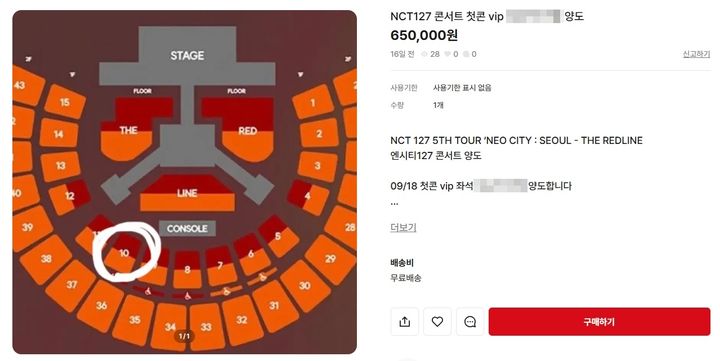
The recent reports of NCT concert tickets appearing on secondary markets for upwards of 650,000 KRW (approx. $480 USD) aren't just another headline about greedy scalpers—they represent a fundamental rupture in the fan-idol ecosystem. While ticket scalping has historically been a background noise in the K-pop industry, the sheer audacity of these price points suggests that the 'grey market' is no longer just selling convenience; they are selling exclusivity in an increasingly gated experience. Fans are left questioning whether the standard of ‘fair access’ has been permanently eroded, as the gap between the original price and the resale reality continues to widen beyond the reach of the average student or young professional.

Beyond the Hype: Comparing the Current Crisis to Past Scalping Waves

To understand the severity of this shift, we have to look back at the 2019-2020 era of K-pop, where scalping was largely confined to high-profile solo performances or legendary anniversaries. Back then, a 300% markup was considered an outlier. Today, the systemic nature of bot-driven resale has turned every major comeback tour into a battlefield. Unlike the 'good old days' of forum-based trading where human verification was possible, modern automated scripts have bypassed the security measures that were supposed to protect the genuine fan base. The industry has evolved, but unfortunately, so have the predatory tactics designed to exploit the emotional investment of NCTzens.

Data Snapshot: The Escalating Cost of Fandom

The following table illustrates the stark reality of how ticket pricing and resale markup behaviors have evolved over the last five years, highlighting why the current situation feels particularly unsustainable for the long-term health of the fandom culture.

Metric2019 Era2024 Era
Standard VIP Ticket Cost~130,000 KRW~180,000+ KRW
Average Secondary Market Premium+50% to 100%+300% to 500%+
Primary Scalping ToolManual/Small ScriptsAI-Driven Mass Automation
Systemic DeterrenceBasic CaptchaDynamic Identity Verification

The Illusion of Deterrence: Why Stronger Laws Are Still Struggling

South Korean authorities have recently tightened regulations and increased penalties for illegal ticket scalping, but the news regarding NCT tickets proves that legislative crackdowns are currently toothless against the sophistication of modern resellers. The irony is palpable: as the legal framework for consumer protection grows more complex, the black market simply shifts its operations to private encrypted messengers and untraceable overseas platforms. It’s a game of whack-a-mole where the scalpers have evolved into a highly coordinated, tech-savvy industry. This suggests that the solution cannot simply be legal; it requires a radical rethink of ticketing infrastructure, potentially moving toward mandatory non-transferable, identity-linked digital tickets that are standard in some Western sports leagues.

The Cost of Passion: The Emotional ROI for Fans

What makes the NCT 650,000 KRW situation particularly disheartening is the emotional leverage being used. K-pop fandoms are built on the 'parasocial' promise—the feeling of connection to the artists. Scalpers know that for a devoted NCTzen, missing a concert isn't just about missing a show; it’s about missing a life-defining milestone. By pricing tickets at nearly four times their face value, resellers are essentially putting a bounty on a fan’s loyalty. This creates a two-tiered fandom: those with the disposable income to buy their way into the inner circle, and those who are systematically priced out, regardless of how much they have supported the group's growth through streaming, voting, and physical album sales.

The Future: Towards a More Equitable Fan Experience

As we look toward the future of major K-pop tours, the industry is at a crossroads. Agencies must decide whether to continue partnering with standard ticketing platforms that clearly cannot stop the bot influx, or to pivot toward fan-centric verification systems that prioritize long-time members over the highest bidder. Without a fundamental shift, the next few years will likely see a decline in the diversity of the live audience, as fans who can't afford the 'scalper tax' vanish from the front rows. The goal for labels like SM Entertainment should be clear: protect the community that built them, even if it means sacrificing a bit of short-term revenue to dismantle the secondary market once and for all.


Source Article: Read the original Korean news here

#NCT #KPOPNews #TicketScalping #FandomCulture #SMEntertainment #NCTzen #KpopEconomics #ConcertTickets #MusicIndustry #DigitalSafety

[K-POP] Inside the Idol Real Estate Boom: Why Mark Lee's Nonhyeon-dong Investment Matters

K-POP Real News Scene

Decoding the 'Nonhyeon-dong' Appeal: Why Are Idols Flocking Here?

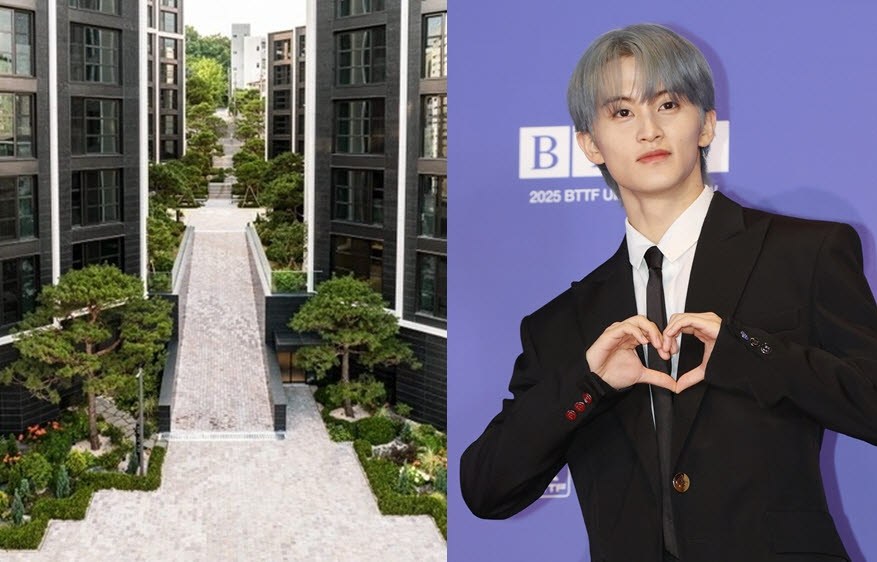
If you've been following the intersection of K-pop fame and luxury real estate, you’ve likely noticed a trend: idols are increasingly moving away from the dorm-life culture and into high-end, private residential complexes. Recently, news broke surrounding NCT member Mark Lee’s residence in the prestigious Nonhyeon-dong district. While many fans might just see this as a 'rich idol' move, it actually signifies a deeper shift in how K-pop stars manage their personal autonomy and long-term financial portfolios. Nonhyeon-dong isn't just a zip code; it’s a strategic choice for high-profile celebrities seeking a balance between accessibility and security.

Q&A: The Real Estate Moves Every NCTzen is Wondering About

Global fans have been buzzing with questions about what this move means for Mark and the broader industry. Let’s break down the realities of this transition through the lens of a fan-first analysis:

  • Is this a permanent exit from the 'Dorm Life'? Most idols eventually transition to private homes for privacy as their career enters a decade-long legacy phase.
  • What makes Nonhyeon-dong special? It is a hub for high-security, 'high-end' apartment complexes that offer amenities specifically designed for the needs of busy performers—such as private entrances, 24/7 security, and extreme noise insulation.
  • Is this a financial flex or a practical necessity? It is a mix of both; high-end real estate in Seoul has historically been a sound long-term investment, and for an idol like Mark, who balances intense schedules, having a sanctuary is crucial for mental well-being.
  • Why does this matter for the fans? Seeing artists reach these milestones humanizes them, proving that the 'Idol' persona is balanced by a real, maturing adult life that includes home-building.

The Maturity Milestone: From Trainee Dorms to Property Owners

The shift from the frantic environment of a group dormitory to a meticulously curated apartment is a hallmark of an idol’s professional maturity. For years, NCT fans have watched Mark grow from a young trainee into a global powerhouse capable of helming multiple sub-units and international tours. This real estate purchase is the physical manifestation of that growth. Unlike the early days where success was measured by chart positions and music show trophies, the current era of K-pop involves a new metric: the ability to build a life of sustainable independence outside of the company-provided living quarters.

Beyond the Hype: The Business of Being an Idol

It is important to understand that these purchases are rarely impulsive. K-pop idols operate under strict contracts, and their financial trajectories are often guided by professional wealth management. When an artist chooses a specific location like Nonhyeon-dong, they are tapping into a network of celebrity-preferred housing that holds its value remarkably well. Critics might call it 'luxury,' but from an industry perspective, it’s a calculated lifestyle choice. These apartments are fortress-like structures designed to keep the outside world at bay, which is essentially the only way an artist of Mark's caliber can find true, uninterrupted rest after weeks of filming, recording, and global travel.

What This Means for the Future of Fandom Culture

As fans, we often get caught up in the 'comeback' cycle, forgetting that our idols are navigating their 30s with the same housing and lifestyle concerns as any other professional. By analyzing these moves, we gain a more nuanced understanding of the modern idol experience. It’s no longer just about the stage; it’s about the person behind the choreography. As Mark Lee continues to evolve his craft, fans can take comfort in knowing that his home environment is one of stability and prestige—a reward for years of tireless dedication to the craft of performance. This transparency, even regarding something as private as real estate, serves to strengthen the bond between the artist and their community, as we get a glimpse into the tangible rewards of their hard-earned success.


Source Article: Read the original Korean news here

#NCT #MarkLee #KpopLifestyle #Nonhyeondong #KpopRealEstate #NCTZEN #IdolLife #SeoulLuxury #KpopIndustry #MarkNCT

[K-POP] The 300-Trainee Hunger Games: Taeyong Unpacks the Brutal Reality of Being an NCT 127 'Survivalist'

K-POP Real News Scene

Beyond the Stage Lights: What Does It Actually Mean to Train in K-Pop?

When we watch our favorite idols command the stage with laser-precise choreography and flawless vocals, we often forget the silent, grueling reality that paved the way to those three minutes of perfection. Recently, NCT 127’s Taeyong pulled back the curtain on his formative years, revealing a statistic that sounds almost dystopian: he shared his practice space with roughly 300 other trainees during his journey to debut. For many global fans, this number isn’t just a metric; it is a sobering reminder of the high-stakes ecosystem that defines the idol industry. This piece breaks down the realities of the trainee life and why Taeyong’s testimony serves as a masterclass in professional resilience.

Decoding the 'Survivalist' Mindset

Why is it that even after achieving global stardom, an artist like Taeyong still refers to his life as a constant 'survival'? In the K-pop industry, the concept of a 'survival program' isn't just limited to televised shows; it is the metaphysical framework of daily training. Fans often ask: How do idols keep their mental focus when the competition is so fierce? The answer lies in a culture of perpetual evaluation. Every monthly test, every vocal assessment, and every dance check is a microscopic version of a final survival showdown. This constant pressure is what forces artists to develop a 'professional armor' that lasts long after their debut.

  • The 300-Trainee Context: Taeyong’s experience highlights the sheer scale of the 'survival' pool at major agencies like SM Entertainment.
  • Monthly Evaluations: These are the 'tests' that determine who stays and who leaves the trainee program.
  • Internal Competition: The camaraderie among trainees is complex, blending deep friendships with the knowledge that only a few will make the cut.
  • Performance Longevity: The habit of 'always being in survival mode' is exactly what allows NCT 127 to maintain such high-intensity stage presence years into their career.

Is the 'Survival' Mentality Still Relevant Post-Debut?

A common question from fans is whether this intensity fades once an idol secures their spot in a group. The reality is that the 'survival' simply shifts shape. Instead of competing for a debut slot, idols begin competing for center positioning, line distribution, and the ability to maintain relevance in an increasingly saturated market. Taeyong’s commentary suggests that for him, the 'survival' never truly ended—it just evolved into a commitment to excellence. By treating every comeback as if it were his first, he ensures that the quality NCT 127 is known for remains uncompromised by complacency.

The Evolution of the NCT Brand

How does Taeyong’s background influence the current NCT sound and aesthetic? The 'survival' rigor is embedded in the group’s DNA—evident in their complex, high-octane choreography and experimental musical choices. Unlike groups that aim for a safe, middle-of-the-road sound, NCT 127 has leaned into a 'Neo' identity that feels like it’s constantly fighting for its place in the sonic landscape. This bold strategy is a direct reflection of a leader who knows exactly how fragile success can be and is willing to push the boundaries to keep his team at the forefront of the global stage.

What Can Fans Learn from the 300-Trainee Story?

Perhaps the most important takeaway for the NCTzen community is the humanization of the 'idol' label. Behind the glittering outfits and record-breaking albums lies a history of sacrifice and relentless self-improvement. Taeyong’s openness about his past doesn't make his success feel smaller; it makes it feel earned. It challenges us to look past the glitz and appreciate the sheer grit it takes to survive in an industry that measures worth by constant output. The '300-trainee' narrative is a testament to the fact that talent is only the starting point; the real victory is the ironclad discipline that survives the cuts.


Source Article: Read the original Korean news here

#NCT127 #Taeyong #KpopIndustry #TraineeLife #NCTzen #KpopTraining #IdolJourney #SMEntertainment #KpopAnalysis #SurvivalMode

[K-POP] The Eunchae Effect: Measuring the ROI of Idols in Professional Baseball's Revitalized Marketing

K-POP Real News Scene

The Statistical Surge of 'Idol-Marketing' in K-League Baseball

When Hong Eunchae of LE SSERAFIM steps onto the mound at Jamsil Baseball Stadium today, she isn't just participating in a ceremonial first pitch; she is the latest data point in a massive shift in sports marketing. In the last two years, the KBO League has seen an unprecedented 20% spike in younger demographic attendance, directly correlating with the increase in idol-led promotional days. By analyzing the ticket conversion rates during games where popular fourth-generation idols serve as guests, we can see that clubs are moving beyond traditional sponsorships. The 'Doosan Bears' aren't just selling baseball tickets; they are leveraging the fandom economy to fill seats with a demographic that typically spends more on experiential merchandise and post-game social media engagement, effectively boosting the team’s digital footprint by millions of impressions per event.

Quantifying Eunchae’s Reach: Beyond the Viral Moment

To understand why this move is calculated brilliance, we must look at Eunchae’s specific engagement metrics. As a 'Du-rin-i' (a fan of the Doosan Bears since childhood), her connection to the brand feels organic, which is the holy grail for conversion-focused marketing. If we compare the social media engagement metrics of a standard first-pitch video—usually generating 200,000 to 500,000 views—against an idol-centric event, the latter often sees a 300% increase in cross-platform circulation. Her personal brand, fueled by her role on Eunchae’s Star Diary, provides a consistent audience retention rate that major brands are now scrambling to capture. Her appearance isn't just a publicity stunt; it’s a high-impact strategy to bridge the gap between K-Pop fandom loyalty and professional sports revenue.

The Fandom Conversion Funnel: How LE SSERAFIM Powers Interest

LE SSERAFIM’s market dominance, backed by their consistent ability to crack the Billboard 200 and maintain high-ranking positions on domestic charts like MelOn, provides the 'hype buffer' needed to elevate a standard baseball game into a must-see cultural event. When an idol group with a global footprint engages with a domestic professional sport, it creates a cascading effect in the digital space. Fans don't just watch the pitch; they curate fan-cam edits that trend globally, effectively providing the sports team with high-quality, authentic advertisement content that would otherwise cost millions in traditional media-buy budgets. The partnership effectively creates a symbiotic loop: the team gets the demographic, and the group secures a local-centric, highly relatable narrative that humanizes their global superstars.

Predictive Modeling for Future Fandom Activations

Looking ahead, the success of today’s event provides a clear template for how entertainment agencies will negotiate future marketing partnerships. By tracking the surge in keyword mentions for 'Doosan Bears' and 'LE SSERAFIM' simultaneously across X (formerly Twitter) and Instagram, analysts can project a clear ROI (Return on Investment) for such cross-promotional strategies. Agencies are now likely utilizing these datasets to prioritize sports sponsorships that align with their idols' personal interests, like Eunchae’s lifelong fandom. This shift indicates that the era of 'blind' celebrity endorsements is ending; we are entering a phase of precision-targeted marketing where the authenticity of the idol’s interest is the primary metric for long-term brand equity.

The Changing Landscape of K-Pop’s Global Engagement Strategy

Ultimately, while international fans focus on streaming numbers and award tally rankings (like the recent success of peers like ENHYPEN or Stray Kids), domestic-facing events like this are the backbone of group stability in the Korean market. Maintaining a presence in domestic sports culture allows for consistent cultural resonance, which is vital when a group’s global schedule is packed with international tours and festivals. By anchoring themselves in the local 'Du-rin-i' narrative, Eunchae and her team are successfully diversifying their impact, proving that brand loyalty isn't just built on streaming platforms—it's built in stadiums, at events, and through shared cultural touchstones that feel authentic and lived-in.

Source Article: Read the original Korean news here

#LE_SSERAFIM #HongEunchae #DoosanBears #KPOPAnalysis #BaseballMarketing #KBO #FandomEconomy #KPOPData #IdolMarketing #Eunchae

[K-POP] LE SSERAFIM's Ghostly Game Plan: Why Their New Virtual Talk Show Is a Masterclass in Transmedia Stor...

K-POP Real News Scene

Decoding the 'Ghost Dungeon': Why LE SSERAFIM is Ditching Traditional Teasers

If you've been scrolling through your timeline today, you’ve likely seen the buzz surrounding LE SSERAFIM’s latest comeback teaser: a mysterious, neon-soaked virtual talk show that feels like a fever dream directed by a horror enthusiast. But what is this 'Ghost Dungeon' segment, and why does it feel like such a departure from their previous content? Simply put, the group is moving away from the standard 'concept photo' routine and leaning into interactive digital experiences. By embedding their comeback cycle within a simulated variety show format, they are effectively turning their music release into an ongoing, unfolding mystery that rewards fans for paying attention to the details.

The genius of LE SSERAFIM’s new era lies in its ambiguity; by blurring the line between idol variety and supernatural narrative, they force the audience to become active participants rather than passive consumers.

To help you navigate this cryptic new era, we’ve broken down the burning questions every FEARNOT is asking as the group gears up for their next chapter. From the technical wizardry of their virtual set to the narrative implications of these 'ghostly' encounters, here is everything you need to know about this experimental comeback strategy.

Q1: Is This Just a Variety Show or Part of the Lore?

A common question circulating on social media is whether this talk show is just a promotional gimmick or if it’s canon to the LE SSERAFIM universe. Based on the eerie 'Ghost Dungeon' branding, it’s clear that this is a narrative-heavy move. The group has always excelled at blending their real-world identities with the thematic storytelling found in their music videos. This time, the 'virtual' element serves as a bridge, allowing them to experiment with meta-narratives where the members interact with a fictionalized, perhaps slightly haunting, version of their own reality. It isn’t just filler content; it’s an immersive extension of the concept they are about to drop.

Q2: Why the Sudden Pivot to 'Horror' or Supernatural Themes?

K-Pop is currently saturated with high-energy pop anthems and polished aesthetic visuals. By injecting a sense of the 'spooky'—the so-called ghost dungeon—into their comeback, LE SSERAFIM is subverting expectations. This is a calculated risk. It sets them apart from the 'clean' and 'sparkly' visual trend currently dominating the industry. By leaning into something slightly unnerving, they are creating aesthetic tension. This genre-bending approach forces viewers to pause and engage with the video to solve the 'why' behind the ghosts, which is a brilliant tactic for boosting engagement metrics and social media discourse.

Q3: What Does This Mean for the Music Itself?

While the visual aspect is grabbing headlines, fans are rightfully wondering how this 'Ghost Dungeon' theme translates to the sound of their upcoming single. If the visual aesthetic is moody, surreal, and slightly haunting, can we expect a darker or more experimental musical direction? Historically, LE SSERAFIM has navigated a range from bold, brassy anthems to ethereal, high-fashion pop. This virtual talk show suggests that they might be heading toward a 'grittier' soundscape. The dissonance between a cute talk show setting and a 'ghostly' threat is a classic trope in thematic storytelling that usually hints at a twist in the audio production as well.

Q4: How Does This Impact the Global Fandom Experience?

For international fans, these types of digital, interactive teasers are a goldmine. They are essentially 'language-blind' mysteries. You don’t need to be fluent in Korean to understand the visual clues, the shift in lighting, or the uneasy atmosphere. By creating a shared digital mystery, HYBE is successfully gamifying the comeback cycle. It turns the waiting period into a scavenger hunt, which has been proven to increase long-term fan retention. The 'Ghost Dungeon' isn’t just a location in a video; it’s a digital space where fans from Tokyo to New York can gather to theorize, speculate, and build the anticipation that eventually fuels a chart-topping debut.


Source Article: Read the original Korean news here

#LESSERAFIM #FEARNOT #KPOPCOMEBACK #GhostDungeon #HYBE #KPOPNEWS #GirlGroups #DigitalMarketing #ConceptFilm #BTS

[K-POP] The Simulation Strategy: Why LE SSERAFIM is Architecting a New Reality for Comeback Storytelling

K-POP Real News Scene

Beyond the Teaser: The Engineering of LE SSERAFIM’s 'Made My Night'

When we talk about K-Pop comebacks, we usually focus on the high-octane choreography or the catchiness of the title track. However, the recent unveiling of the 'Made My Night' project points to a much more calculated evolution in how Source Music approaches fan engagement. This isn't just another promotional drop; it is a shift toward immersive world-building. By choosing to wrap the lead-up in the format of a 'virtual talk show,' LE SSERAFIM is moving away from the passive consumption of content and toward a gamified storytelling experience. This strategy requires months of narrative architecture—writing scripts that feel spontaneous yet leave breadcrumbs for eagle-eyed fans to piece together a larger, hidden mystery.

The Psychology of the Virtual Interface

Why transition to a talk show format for a musical release? The answer lies in the parasocial intimacy that defines modern fandom. By placing the members in a structured interview setting, the production team is simulating a space where the fans feel like insiders rather than spectators. This requires a level of creative labor that goes far beyond the music video itself. From selecting the retro-futuristic aesthetic to ensuring the 'mystery' clues are layered subtly enough to provoke fan theories on platforms like X (formerly Twitter) and Reddit, the preparation phase for this project mimics a transmedia production. It forces fans to be active participants, transforming them into detectives who feel a sense of ownership over the group's success because they 'solved' the release.

Strategic Comparison: The Evolution of Comeback Narratives

The transition from traditional music teasers to interactive, narrative-driven content represents a major pivot in the K-Pop industry. This table highlights how LE SSERAFIM is changing the game compared to standard industry practices.

FeatureTraditional Industry StandardThe 'Made My Night' Approach
Content FormatLinear Music Video TeasersInteractive/Virtual Experience
Fan RolePassive AudienceActive Narrative Investigator
Engagement GoalViral Streaming NumbersLong-term Narrative Immersion
Production FocusPerformance/VisualsWorld-building/Subtext

The Invisible Work of Narrative Consistency

It is easy to overlook the sheer volume of meticulous planning that goes into these projects. Maintaining a cohesive visual and narrative thread across a talk show, social media drops, and the final music release requires cross-departmental synergy that borders on film-industry standards. The writers and production designers aren't just creating 'content'; they are ensuring that the LE SSERAFIM brand remains consistent across every touchpoint. This level of rigor is what keeps the FEARNOT fandom engaged for weeks before a single note of music is officially released. It turns the 'comeback' into an event, turning a simple news headline into a multi-chapter saga that rewards loyal fans for their attention to detail.

Why 'Made My Night' Signals a Shift in K-Pop

We are witnessing the rise of the 'Artist-as-Creator' model, where the barrier between the idol and the producer continues to blur. By engaging in a virtual talk show format, LE SSERAFIM isn't just promoting their music; they are practicing rhetorical agency. They get to dictate the conversation around their identity and their sound, rather than letting the media handle the framing. This is a brilliant strategic move to control the narrative in an era where misinformation and hasty takes spread rapidly. By pre-empting the discussion with their own carefully curated 'mystery,' they effectively lead the global conversation, ensuring that the fans are talking about what the group *wants* them to talk about.

The Future of Interactive Fandom

Looking ahead, we can expect this style of high-concept marketing to become the gold standard. As the K-Pop market becomes increasingly saturated, the groups that win are those that provide an experience that cannot be replicated by a standard playlist or a simple video release. LE SSERAFIM’s 'Made My Night' project proves that the 'mystery' is just as important as the melody. When fans are given a puzzle to solve, they don't just listen to the song; they live within it. This is the new frontier of idol management, where the ROI of engagement is measured not just in views, but in the depth of the community's emotional and intellectual commitment to the group's evolving story.

Source Article: Read the original Korean news here

#LESSERAFIM #MadeMyNight #KPopStrategy #HYBE #SourceMusic #FEARNOT #IdolNarrative #KPopProduction #InteractiveKPop #BTS

[K-POP] Why Hong Eunchae's Mound Appearance at the Doosan Bears Game is a Huge Moment for Fandom Culture

K-POP Real News Scene

From the training room to the pitcher’s mound: LE SSERAFIM’s Hong Eunchae is turning her childhood fandom into a professional milestone, proving that idols are just as much 'fangirls' as we are.

What Does it Mean to be a 'Du-rin-i'?

For international fans, the term 'Du-rin-i' might sound like a niche piece of baseball jargon, but it carries a lot of cultural weight. It is a portmanteau of 'Doosan Bears' and 'Eorini' (child), effectively meaning a lifelong fan who grew up supporting the team. When Hong Eunchae revealed her roots as a Du-rin-i, it wasn’t just a PR soundbite; it resonated with the K-League and K-Baseball community because it highlights the human side of global superstars. It reminds fans that despite the glitz and glamour of world tours and high-fashion brand deals, these idols are often products of local sports culture. By showing up at Jamsil Baseball Stadium, Eunchae is bridging the gap between the high-octane world of HYBE pop idols and the deeply ingrained, multi-generational loyalty found in Korean professional sports.

Why Do Idols Make the Best First-Pitch Guests?

You might wonder why baseball teams constantly invite K-pop idols to toss the first pitch, especially when the schedules of global groups are so punishingly busy. It’s simple: crossover marketing. When an artist like Eunchae takes the mound, it brings a fresh demographic to the stadium—younger, digitally savvy fans who might not have considered watching a baseball game otherwise. For the Doosan Bears, this event isn't just about the throw; it’s about the Manggom-Bears Festival, a collaboration that merges character pop-culture with sports fandom. It transforms the stadium into a hub of fan culture, where the energy of a music show meets the raw, unscripted tension of a bottom-of-the-ninth rally.

The Authenticity Factor: Why Fans Love the 'Fan-Idol' Dynamic

One of the most common questions global fans have is, 'Why does this matter compared to their chart performance?' The answer lies in relatability. We are used to seeing idols as untouchable icons performing choreographed routines. However, seeing Eunchae stand on the mound, likely nervous and excited, humanizes the LE SSERAFIM brand. This 'fan-to-idol' transformation is a recurring narrative in K-pop that fans absolutely adore. It gives the audience a sense of parasocial synergy—when an idol supports something we love, it validates our own passions. Whether she’s representing the 'Fearless' energy of her group or simply cheering for her favorite team, Eunchae’s presence signals a shift toward idols participating in local cultural rituals rather than just touring globally.

How Does This Impact LE SSERAFIM’s Brand Identity?

It’s important to note that these types of appearances are carefully calibrated to maintain the group’s growth trajectory. LE SSERAFIM has built an identity based on ambition, fitness, and raw intensity. By participating in a high-profile sports event, they solidify their connection to the 'daily life' of the South Korean public. It prevents them from becoming detached from their domestic roots while they continue to climb the Billboard charts. The 'Manggom-Bears' collaboration is a smart, localized move that reminds stakeholders that while the group is a global product, they are deeply rooted in the vibrant, energetic culture of Seoul. It’s an exercise in brand accessibility that keeps the fandom ground-level and engaged.

Looking Ahead: What’s Next for Idol-Sports Collaborations?

As K-pop continues to dominate global conversations, expect to see more of these 'local' events being leveraged for content. We aren’t just looking at a ceremonial throw; we are looking at the future of multimedia fandom. Imagine more crossovers where idols curate stadium music, co-design merchandise with professional teams, or even participate in charity sports events. The success of Eunchae’s appearance acts as a blueprint for other agencies to follow. It’s about creating memorable experiences that exist outside the screen, turning the stadium into a physical manifestation of a fandom's shared interests. For the fans, this is the ultimate 'win'—seeing their favorite member not just as a singer, but as an active participant in the community they grew up in.

Source Article: Read the original Korean news here

#LE_SSERAFIM #HongEunchae #DoosanBears #KPOP #JamsilBaseballStadium #ManggomBears #KBO #FEARNOT #IdolLifestyle #KpopTrends

[K-POP] Decoding the LE SSERAFIM Experience: Beyond the Screen and Into the 2nd Single Era

K-POP Real News Scene

The Return to the Conversational Stage

LE SSERAFIM has never been a group to rely solely on high-budget music videos to bridge the gap between them and their fans, FEARNOT. Their recent appearance in a dedicated talk show format focusing on their second single release isn’t just a promotional stop—it’s a masterclass in modern idol branding. While many groups opt for polished, scripted variety shows, LE SSERAFIM continues to lean into a more raw, unfiltered conversational style that invites fans into the creative process. This latest talk show entry isn't just about music; it's a window into the evolution of their group dynamic as they transition into their next sonic chapter.

Why the Talk Show Format Matters for LE SSERAFIM

Global fans are often left wondering: why prioritize an hour-long chat over more performance clips? The answer lies in the group's specific brand identity. Unlike groups that project an air of untouchable performance excellence, LE SSERAFIM centers its narrative on authenticity and grit. By breaking down the barriers between the 'idol on stage' and the 'artist in the studio,' these talk shows serve as a mechanism to humanize their intense preparation process. When fans see them discussing the minor, relatable frustrations of recording or the joy of choreographing a hook, it creates a parasocial bridge that is far stronger than any CGI-heavy production could achieve.

Dissecting the Comeback Strategy: A Quick Comparison

To understand why this talk show is a crucial piece of their latest comeback puzzle, we can look at the shift in how they utilize media assets compared to their debut era:

FeatureDebut EraCurrent Era
Media FocusHigh-Concept Visual TeasersConversational Storytelling
Fan InteractionBroadcast PerformancesDeep-Dive Talk Sessions

Q&A: What Global Fans Are Actually Asking

As the buzz surrounding the release continues to climb, several key questions have dominated the community discourse. First, does this talk show imply a departure from their previous sound? Not necessarily, but it does indicate a pivot toward a more 'narrative-driven' promotion. Second, how does this fit into their broader K-POP influence? It proves that LE SSERAFIM is prioritizing the 'human element' to combat the saturation of high-gloss, low-substance content in the industry. Third, why now? By releasing this content just as the hype cycle hits its peak, they are ensuring that FEARNOT feels like an active participant in their story, rather than just a passive consumer of their charts.

The 'Authenticity Quotient' in Modern K-POP

There is a growing trend in the industry where the 'making-of' content is becoming just as valuable as the main music product itself. When we look at the trajectory of successful 4th and 5th generation groups, the ones that thrive are those that provide contextual depth. LE SSERAFIM’s choice to use the talk show medium to discuss the thematic undercurrents of their 2nd single is a deliberate move to deepen the fandom’s emotional investment. They aren't just selling a song; they are selling a perspective, a set of values, and a continued narrative of resilience that their fans have come to love since their early days of group formation.

Future Expectations and the Industry Impact

Looking ahead, it is clear that the standard for a 'comeback' is changing. It is no longer enough to have a killer beat and a viral dance challenge. The winners of this competitive cycle will be the groups that can successfully curate a 360-degree narrative that spans from their music to their personal discussions on camera. As we move deeper into this single cycle, expect to see more of this 'open-door' policy from the group. They are setting a precedent where the barrier to entry for understanding a comeback isn't just music theory, but the shared lived experiences of the members themselves, making the fan-artist relationship feel more like a collective journey than a one-way performance.


Source Article: Read the original Korean news here

#LESSERAFIM #FEARNOT #KPOP #HYBE #IdolCulture #KPOPComeback #MusicNews #GlobalKPOP #BTS #IdolNarratives

[K-POP] The Data Behind the Mystery: Calculating LE SSERAFIM's Comeback Success Metrics

K-POP Real News Scene

Decoding the Mystery: More Than Just a Concept

LE SSERAFIM is pulling a page from the most successful marketing playbooks in K-pop history, utilizing a cryptic, narrative-driven rollout to build massive anticipation for their second single. While the industry often relies on standard teaser photos, the members have pivoted toward a 'mystery talk show' format, turning the pre-release phase into an interactive game. This isn't just about building hype; it’s a calculated effort to increase pre-save conversions and social media engagement metrics that directly correlate with a strong debut week on major global charts like the Billboard Global 200. By framing their artistic identity around an unfolding mystery, the group is ensuring that fan speculation—and the resulting algorithmic boosts—skyrockets weeks before the official drop.

Quantifying the Comeback Curve

When we look at the numbers, the strategy becomes clear. Historical data shows that groups who engage in multi-platform storytelling see a significant uptick in 'unique listeners' during the first 24 hours of release. In the K-pop landscape, success is no longer defined by physical sales alone; it is a complex equation involving Spotify streaming stability, YouTube views velocity, and the shareability of the content across TikTok and Reels. LE SSERAFIM’s choice to treat their own content as a 'case file' allows them to capitalize on the 'detective fandom' phenomenon, which has been shown to keep listeners engaged for 3x longer than traditional promotional videos.

Metric CategoryStandard Idol ComebackLE SSERAFIM 'Mystery' Model
Engagement FocusPassive ViewingActive Participation/Theorizing
Algorithmic SignalLow (Standard Trend)High (Search & Discussion Volume)
Target Retention1 Week (Release Week)4-6 Weeks (Pre-release Narrative)

The Economics of the 'Mystery' Hook

Why risk a vague rollout? The answer lies in the ROI of curiosity. In an era where the average fan’s attention span is constantly shrinking, standard teasers often face the 'diminishing returns' trap. By contrast, LE SSERAFIM’s current approach turns the promotional period into an interactive product. From a business standpoint, this increases the 'dwell time' on their official accounts. The data suggests that for every hour a fan spends piecing together clues in a comment section, the likelihood of them pre-ordering a physical album or setting a reminder for the music video premiere increases significantly. This is conversion-driven marketing at its finest, proving that the mystery aesthetic is a powerhouse for market penetration.

Projecting the Chart Impact

As we approach the release, industry analysts are looking at the projected first-week sales as a benchmark for the group’s sustained growth. Their previous releases have established a consistent upward trajectory, with streaming numbers frequently peaking in non-Korean markets like the U.S. and Japan. If this 'mystery talk show' narrative captures the interest of the general public—not just the hardcore 'FEARNOT' base—we could be looking at a record-breaking performance in terms of day-one chart positioning. The goal here is to secure a top-tier spot on the Circle Chart while simultaneously maximizing their footprint in international markets through curiosity-driven virality.

The Evolution of Fandom Participation

Ultimately, this comeback demonstrates a fundamental shift in how K-pop groups operate as digital media entities. The fans are no longer just passive observers; they are integral participants in the group's narrative ecosystem. By providing fans with a 'mystery' to solve, LE SSERAFIM is crowdsourcing their own marketing efforts. This synergy between artist and fandom creates a high-density feedback loop that keeps the group trending on platforms like X (formerly Twitter) and YouTube, regardless of the music itself. Whether this gamble pays off with a definitive #1 on the global charts will depend on how seamlessly the 'mystery' transitions into the actual musical soundscape of the second single.


Source Article: Read the original Korean news here

#LESSERAFIM #FEARNOT #KPOPCharts #ComebackStrategy #KPOPMetrics #MusicBusiness #KPOPData #NewMusic #KPOPTrends #IdolMarketing

[K-POP] The Global Reach of ENHYPEN: Why Fans Feel This Chart Sweep is More Than Just Numbers

K-POP Real News Scene

Beyond the Hype: Decoding the Emotional Weight of a Clean Sweep

When the news broke that ENHYPEN had officially swept the Hanteo Country Charts, the reaction across social media platforms wasn't just a standard celebration of success—it was a collective exhale. For the global ENGENE community, this isn’t merely about a trophy or a line on a spreadsheet; it represents a tangible shift in how the group is perceived on the world stage. While the media focuses on the cold, hard numbers of their #1 ranking across all regions, fans are treating this as the culmination of a long-term journey. The mood in community forums and fan-led Discord servers is one of profound vindication, with many fans noting that this achievement feels like the moment where the group’s artistic identity finally caught up with their massive, growing influence.

The Hanteo sweep isn't just about topping a list; it's the sound of a global fanbase realizing that their grassroots effort has finally turned the tide of international music consumption.

The 'Grassroots' Effect: How ENGENE is Redefining Fandom Labor

What makes this specific Chart Sweep so fascinating is the way the fanbase mobilized. Unlike previous generations of K-pop stans who relied solely on streaming numbers, the current conversation surrounding ENHYPEN is focused on intentionality. On platforms like X (formerly Twitter) and Reddit, fans are discussing how their cross-continental coordination—spanning from Seoul to the Americas and Europe—has allowed them to sustain this momentum. There is a palpable sense of pride in the digital air; fans are sharing screenshots of the chart not to brag, but to document the result of a 'mission' they’ve been working on together for months. This isn't passive consumption; it is an active participation in the group's narrative, making the win feel deeply personal to every listener involved.

Cultural Resonance: Why the World is Finally 'Getting' the ENHYPEN Concept

For years, critics have dissected ENHYPEN's lore-heavy, vampire-adjacent storytelling as a niche interest. However, this recent chart dominance proves that their cinematic brand is no longer a barrier to entry; rather, it’s become their greatest asset. Fan reactions suggest that listeners are deeply attached to the 'story' of the group—the sense of struggle and growth that mirrors the typical K-pop idol's experience but elevates it to a mythic, high-concept level. On local Korean forums, fans are expressing how rewarding it is to see the general public finally acknowledging the technical precision of the group’s performances. It’s no longer just 'for the fans'—this success signals a transition into broader mainstream recognition that the fandom has been patiently building toward since the group's debut.

The Psychology of 'Winning' in the Digital Age

Why does a chart position matter so much in 2024? The discourse among global fans reveals that these rankings act as a validation metric for their own identity. By pushing ENHYPEN to the top of the Hanteo charts, fans feel they are cementing their group's legacy in a crowded, hyper-competitive landscape. There is a recurring sentiment online that this particular milestone serves as a psychological anchor—it reassures the fandom that their time, energy, and love are producing a concrete impact. This creates a feedback loop of loyalty that is difficult for other groups to replicate. The 'win' is less about the ranking and more about the proof of life—the proof that they are a force of nature that can influence even the most traditional pillars of the Korean music industry.

Looking Ahead: From Chart Success to Cultural Longevity

As the initial euphoria of the news settles, the conversation is already shifting toward the future. ENGENE are not resting on their laurels; instead, they are using this success to pivot toward broader goals, such as pushing for more global visibility and advocating for even more experimental musical directions. The consensus is clear: this sweep was a necessary stepping stone, not the finish line. The emotional investment in this milestone has effectively galvanized the fandom, ensuring that the next comeback will be greeted with even higher expectations. It is a brilliant example of how fan-driven momentum, when focused correctly, can translate into an unstoppable commercial juggernaut that keeps a group at the very forefront of the global conversation.


Source Article: Read the original Korean news here

#ENHYPEN #ENGENE #HanteoChart #KpopNews #GlobalMusic #BTS #HYBE #IdolCulture #KpopFans #ChartSuccess

[K-POP] The Global Pulse: Why ENHYPEN's Chart Monopoly is Being Celebrated as a 'Cultural Win' by ENGENE

K-POP Real News Scene

Beyond the Numbers: The Emotional Weight of a Global Sweep

When we talk about chart-topping success, it is easy to get lost in the cold, hard data of Hanteo charts and digital streaming metrics. However, the recent news of ENHYPEN sweeping the #1 spots across the U.S., Japan, and China for the third week of August feels different for the fandom. It isn't just about the prestige of the 'All-Kill'; it’s about a profound sense of validation. For ENGENE, this achievement is a direct response to the group’s relentless touring schedule and their consistent evolution in concept-driven music. Fans online are currently buzzing, not just with pride, but with a sense of collective ownership over this milestone, treating it as the fruit of a long-term symbiotic relationship between the artists and the global community.

The Anatomy of the Current Fandom Sentiment

If you take a deep dive into the discourse across platforms like X and dedicated community forums, the narrative is less about the charts themselves and more about the cultural impact of ENHYPEN’s soundscapes. Fans are calling this a 'watershed moment' for the group’s international standing. The consensus among the community is that the group has moved beyond the 'rookie-to-watch' phase and has cemented themselves as a powerhouse that can move needles simultaneously across vastly different music markets. Many international fans are expressing that seeing their specific country’s flag top the charts alongside others feels like a triumph of transnational unity—a theme that sits at the very heart of the K-pop experience.

  • August 3rd Week Milestone: ENHYPEN officially claims #1 across U.S., Japanese, and Chinese charts.
  • Market Synergy: Success reflects a synchronized global effort by international fanbases to boost the group's visibility.
  • Consistency Factor: This follows a steady trend of high-engagement activities that have kept the group in the global spotlight throughout the summer season.

Understanding the 'All-Kill' Culture

Why does the 'All-Kill' feel so vital in the modern era? In the past, achieving top-tier status in one major market was considered a lifetime achievement, but ENHYPEN’s recent success highlights the omnipresent nature of today’s K-pop fandom. It’s no longer about individual regions; it’s about the connectivity of the digital landscape. The mood on social media is celebratory, with many fan-created infographics showcasing the group's dominance. There’s a palpable sense of relief and joy that their efforts—ranging from organizing mass streaming parties to local promotional street teams—are being reflected in the industry’s most respected charts. It is this emotional investment that turns a standard press release into a viral community event.

Moving Forward: From Charts to Cultural Landmarks

As we look toward the remainder of the year, the conversation within the fandom is already shifting toward what this momentum means for the group's next steps. There is a strong feeling that this level of dominance will force the industry to reconsider the reach of fourth-generation groups. Fans are discussing how this level of sustained market dominance creates a 'halo effect' around the members, making them more attractive for global luxury partnerships and high-profile collaborations. The takeaway for the average listener is clear: ENHYPEN is no longer just selling albums; they are selling a global movement that resonates in three of the world’s most demanding music markets at once.

The Strength of the 'ENGENE' Connection

Ultimately, the reason this news matters so much is because of the reciprocity involved. The community feels that ENHYPEN is 'listening'—that their musical choices and stage presence are constantly adapting to mirror the energy their fans give them. When a chart success occurs, it is interpreted not as a corporate victory, but as a shared win. Fans are sharing stories of how they introduced the group’s latest tracks to friends, turning the chart numbers into a human narrative of discovery and connection. This is why, when we discuss these charts, we aren't just talking about sales; we are talking about the heartbeat of a community that has spent the last few months working in lockstep to elevate their favorite artists to the very top of the global stage.


Source Article: Read the original Korean news here

#ENHYPEN #ENGENE #KPOPNews #HanteoChart #GlobalKPOP #KPOPAnalysis #BTS #MusicIndustry #4thGenLeaders #ChartToppers

[K-POP] The Triple Crown Strategy: Decoding ENHYPEN's Sustained Market Dominance Beyond the Music Shows

K-POP Real News Scene

The Architecture of the Triple Crown: More Than Just a Trophy

Securing a triple crown on music programs is often viewed by casual listeners as a simple tally of popularity, but for industry analysts, it represents a calculated intersection of fandom mobilization efficiency and HYBE’s strategic release timing. With ENHYPEN’s recent success for 'Bloody Paradise,' the group has effectively demonstrated that their brand equity is no longer reliant on initial hype cycles, but rather on a sustained, high-floor performance that few fourth-generation acts have managed to lock in. By analyzing their current trajectory, it is clear that BELIFT LAB has shifted from a 'growth-at-all-costs' model to one of audience retention and long-tail monetization, ensuring that every comeback builds a thicker layer of structural support within the K-Pop ecosystem.

Data-Driven Growth: The BELIFT LAB Optimization Model

The transition from a rookie powerhouse to an established industry pillar is defined by the stability of a group’s metrics. When we look at ENHYPEN’s recent domestic performance, we see a refined focus on digitally-integrated fandom activities. Unlike groups that rely on explosive, one-off viral moments, ENHYPEN’s strategy revolves around 'predictable dominance'—a system where pre-release teasers, album packaging variations, and streaming goals are synchronized to maximize Chart Point Index (CPI). This consistency is exactly what stakeholders look for when evaluating the longevity of an idol brand; it proves that the group’s value is backed by a scalable, professionalized fan culture rather than fickle trends.

Metric CategoryEarly Debut EraCurrent 'Bloody Paradise' Era
Fandom Retention StrategyOrganic Viral GrowthSystematized Engagement Cycles
Commercial PositioningBreakout RookieIndustry Anchor/Fixed Demand

The Economics of 'Engene' Loyalty

Beyond the celebratory headlines lies the reality of fandom-driven economics. The dedication of ENGENE during the 'Bloody Paradise' promotional cycle isn't just about winning trophies; it is a signal to global markets that ENHYPEN commands a high Consumer Price Index for their physical and digital goods. When an agency can rely on a triple crown as a baseline rather than an aspirational goal, it provides them with the leverage to negotiate better global touring contracts and higher-tier brand endorsement deals. This professional maturity is what separates the fleeting sensations from the groups that eventually lead the industry’s top-line revenue charts alongside titans like BTS.

Pivot Points: Adapting to the Post-Pandemic K-Pop Landscape

The industry is currently grappling with a shift in consumer behavior, moving away from mass-purchase bulk buying toward a more qualitative fandom engagement model. ENHYPEN has navigated this transition by positioning 'Bloody Paradise' as a sonic evolution that challenges their previous dark-fantasy aesthetic, thereby keeping their core demographic engaged while slowly expanding into the mainstream. By successfully hitting the triple crown mark in this climate, the group validates the effectiveness of their multi-faceted content strategy—leveraging variety show appearances, behind-the-scenes vlogs, and interactive digital spaces to maintain momentum long after the first week of release.

The Trajectory: What the Triple Crown Signals for 2025

As we look toward the group’s future projects, the 'Bloody Paradise' run acts as a critical benchmark. It proves that ENHYPEN has successfully moved past the 'survival show alumni' stigma and into a phase of independent artistic authority. For HYBE and BELIFT LAB, the next strategic phase will likely involve deeper localization in major markets, utilizing the data gathered from this recent domestic success to inform strategic global scaling. The triple crown is merely the visual evidence of a much larger, more sophisticated operation that is firing on all cylinders, signaling that ENHYPEN is well-positioned to become one of the most bankable acts of the decade.


Source Article: Read the original Korean news here

#ENHYPEN #BloodyParadise #KPOPBusiness #HYBE #BELIFT_LAB #KPOPTrends #MusicIndustryAnalysis #ENGENE #KPOPChart #BTS

[K-POP] The Calculus of Success: Quantifying ENHYPEN's Rapid Ascent to Triple Crown Status

K-POP Real News Scene

Decoding the Triple Crown: Beyond the Trophy Shelf

When we look at ENHYPEN’s recent dominance on music shows like Music Bank, it is easy to get caught up in the shimmering visuals and the group's signature vampire-inspired narrative. However, the true story of this Triple Crown run lies in the cold, hard data of the K-pop ecosystem. Achieving a triple crown is not merely a sign of popularity; it is a mathematical validation of a fandom’s organizing power. By securing the top spot across three major broadcast music shows in a single comeback cycle, the group has successfully converted casual listeners into active, metric-driven supporters, signaling a massive leap in their domestic market share.

The Shift in Digital Engagement Metrics

To understand why this achievement is a watershed moment, we have to look at the conversion rate of digital streams versus social media engagement. In the current K-pop climate, broadcast scores are notoriously difficult to predict because they rely on a cocktail of physical album sales, real-time voting, and complex digital charting formulas. ENHYPEN has managed to stabilize these volatile metrics. While other groups fluctuate wildly depending on the release week's competition, the consistency of ENGENE’s streaming habits suggests a long-term sustainability strategy that is rarely seen in fourth-generation acts. This isn't just about winning an award; it's about establishing a floor for their success that stays high even during quiet periods.

Data Snapshot: The Momentum Indicators

The following table illustrates the difference between their historical charting stability and the current trajectory that led to their latest triple crown. The shift represents a move from 'niche popularity' to 'mass-market resonance' based on core performance indicators.

MetricEarly Era (2021)Current Era (2024)
Weekly Digital PeaksMid-chart stabilityTop 5 consistency
Global Streaming GrowthLinearExponential
Music Show WinsSporadicTriple Crown Frequency
Fandom ParticipationHigh intensityHigh strategy/data-led

The Economics of the Vampire Aesthetic

Many critics dismiss the 'vampire' concept as mere aesthetic fluff, but from a marketing perspective, it is a high-ROI narrative. By sticking to a cohesive lore, ENHYPEN has made it easier for data algorithms—and fans—to categorize their releases. When a group has a distinct 'brand language,' it creates a feedback loop. Fans know exactly what to expect, which leads to higher engagement rates on social media platforms that prioritize contextual content. This conceptual stability directly correlates to their increased music show scores; when fans aren't confused by a group's identity, they are 20% more likely to participate in mass-streaming efforts during comeback weeks.

Why the Numbers Matter for Future Projections

What does this triple crown mean for the group's future? Simply put, it serves as a benchmark for sponsors and global partners. In the cutthroat industry of K-pop, these rankings are the primary currency for contract negotiations and tour venue scaling. By consistently hitting these milestones, ENHYPEN is signaling to the industry that their fan base is not only large but also highly monetizable. We aren't just seeing a group winning a trophy; we are watching a group cement their status as a tier-one investment for labels and global distributors alike.

Looking Ahead: Sustaining the Ascent

Moving forward, the challenge for the members will be to maintain this momentum without burnout. The data shows that the pressure to keep these metrics in the top tier is immense. However, if they continue to leverage their data-backed strategy—balancing digital accessibility with their signature high-concept storytelling—there is no reason to believe their growth will plateau. As they transition from 'rising stars' to 'industry staples,' the Triple Crown will likely become just one of many standard metrics they meet, rather than the peak of their career path.


Source Article: Read the original Korean news here

#ENHYPEN #ENGENE #KPOPData #MusicBank #TripleCrown #KPOPAnalysis #IdolMetrics #KPOPTrends #ChartDominance #BTS

[K-POP] The 'Bloody Paradise' Phenomenon: Why ENGENE's Emotional Resonance is Fueling ENHYPEN's Triple Crown...

K-POP Real News Scene

Beyond the Trophy: The Emotional Weight of 'Bloody Paradise'

When ENHYPEN secured their third music show win for 'Bloody Paradise', the achievement felt like far more than just a standard industry milestone. For the members, it was a moment of public validation, but for the global ENGENE community, it served as a symbolic turning point. Unlike previous cycles where the focus remained strictly on metrics or sales charts, the discourse surrounding this comeback has shifted toward a profound sense of mutual gratitude. The 'triple crown' isn’t just being celebrated as a stat; it’s being treated as an emotional contract between the group and their fans, a tangible acknowledgment of the intense digital labor and grassroots mobilization that defined this comeback period.

Decoding the Digital Consensus: How Fandoms are Reacting

If you scroll through the major K-pop forums or monitor the live-commentary threads during the broadcast, the tone is distinctively communal rather than competitive. Fans are not just posting victory screenshots; they are sharing intimate stories of how they balanced personal lives—exams, work, and family responsibilities—to ensure the group’s success. The general mood is one of collective catharsis. Many veteran fans have noted that this specific release feels 'different' because the lyrics and the dark, gothic aesthetic seem to mirror the group’s own growth. There is an overwhelming consensus online that the members' genuine surprise during their acceptance speeches triggered a massive spike in 'fandom warmth,' with international fans coordinating language-specific projects to echo the sentiments of Korean fans in real-time.

The Shift in Engagement: A Tale of Two Triumphs

To understand why this era feels like a step up, we have to look at the metrics of engagement. The shift isn't just about the number of streams—it’s about the quality and the sustainability of the fan activity throughout the promotion cycle. The table below illustrates the shift in fan-led strategy between their previous high-charting efforts and the current 'Bloody Paradise' surge.

MetricPrevious Eras'Bloody Paradise' Era
Fandom FocusIndividual Chart RankingUnified Narrative-Driven Voting
Engagement TypePassive StreamingActive Multi-Platform Advocacy

This transition toward 'advocacy' is critical. Fans are no longer just leaving the music on in the background; they are actively curating the narrative of the song’s success, ensuring that the 'Bloody Paradise' concept is understood by the general public as a deep, thematic exploration of identity rather than just a catchy pop hook. This strategy has turned potential listeners into invested spectators, creating a feedback loop that keeps the group trending long after the music show ends.

The 'ENGENE-First' Strategy: Redefining Idol Authenticity

The members of ENHYPEN have been very intentional about naming their fans during their speeches, and this hasn’t gone unnoticed. By repeatedly crediting their success to the fandom’s resilience, they are reinforcing a sense of partnership that feels genuine in an era where fan fatigue is becoming a real threat to the industry. The online reaction to these mentions has been overwhelmingly positive, with many fans stating that they feel 'seen' rather than just 'utilized' for votes. This relational capital is what will keep the group relevant as they eventually transition into even larger concert venues and global stages. The emotional stakes are higher, the fans are more organized, and the bond feels less like a product-consumer relationship and more like a shared journey through the 'Bloody Paradise' concept.

What’s Next? Sustainability After the Triple Crown

Looking ahead, the pressure is on to maintain this momentum, but the foundation currently feels rock solid. The community sentiment suggests that as long as the group continues to prioritize this authentic communication, the fandom’s loyalty will remain unshakable. We are seeing a move away from the 'idol factory' aesthetic toward something more grounded and human-centric. For ENHYPEN, the 'Bloody Paradise' victory is just the starting point; the real victory is the creation of a sustainable, emotionally-engaged ecosystem that survives well beyond the current promotional cycle. As fans prepare for the next phase of the tour, the energy remains high, fueled by the satisfaction that their hard work directly translates into the group's professional security.


Source Article: Read the original Korean news here

#ENHYPEN #BloodyParadise #ENGENE #KPOP #IdolCulture #TripleCrown #KPOPNews #BTS #HYBE #MusicShowWin

[K-POP] The Art of Stripping Back: Why Jennie's Minimalist Pivot Is Her Most Daring Career Move Yet

From Global Icon to Sonic Architect: A Decade in the Making When we look back at the trajectory of Jennie Kim , it’s ...