9/01/2026

[K-POP] Lisa's Muay Thai Transformation: Decoding the Global Pop Star's New Era Through 5 Burning Questions

K-POP Real News Scene

From the neon streets of Bangkok to the global stage, Lisa is once again redefining what it means to be an idol in flux, swapping couture for combat-ready aesthetics in her latest teaser.

Beyond the Glitz: Why Muay Thai?

When Lisa dropped her latest comeback teaser featuring her donning traditional Muay Thai shorts, the internet didn’t just buzz—it ignited. The first question every fan is asking is, 'Why this aesthetic?' It’s not just a fashion statement; it’s a deliberate reclamation of her roots. By integrating elements of her cultural heritage into her visual identity, Lisa is moving away from the polished, ‘safe’ idol image and leaning into a raw, gritty authenticity. This isn't just about sportswear; it’s about signaling a shift from the pristine ‘Blackpink Lisa’ to a more empowered, street-smart artist who isn’t afraid to get her hands dirty.

Is This the Official End of the ‘Safe Idol’ Blueprint?

Global fans are rightly wondering if this marks a permanent departure from the traditional K-Pop comeback aesthetic. Historically, idols have been packaged in hyper-feminine or high-concept sci-fi themes. Lisa’s choice to wear combat-adjacent gear suggests that the ‘It Girl’ of K-Pop is no longer interested in playing by the standard industry rulebook. This represents a broader shift in the landscape where artists are increasingly prioritized by their ability to inject personal narratives—rather than label-mandated trends—into their visual branding. She’s essentially showing us that she is the architect of her own hype.

How Does This Aesthetic Shift Influence Her Sound?

If the visuals are leaning into the high-intensity energy of a boxing ring, what does that mean for the music? We can infer that the upcoming track is likely a high-octane anthem. The synergy between her visual ‘transformation’ and the expected musical direction suggests a move toward experimental pop or even a fusion of Southeast Asian rhythmic influences and Western trap beats. Fans aren't just looking for a new single; they are looking for a sonic evolution that matches the boldness of her new, sweat-soaked, and aggressive aesthetic.

Can Fashion Truly Redefine an Artist’s Market Positioning?

It is fascinating to observe how quickly a single wardrobe choice can disrupt market trends. Analysts are already noting that Lisa’s endorsement of this ‘fighter’ aesthetic will likely trigger a massive shift in streetwear trends across Asia and beyond. This is the ‘Lisa Effect’ in full force: her ability to make a niche, specialized sport look like the season’s hottest haute couture. By blending the high-end luxury brand associations she’s cultivated with the grounded, grassroots energy of Muay Thai, she’s bridging the gap between elitism and accessibility, making her brand more relatable yet more unattainable at the same time.

What Does This Mean for the Future of K-Pop Soloists?

The final, perhaps most important question is: what is the takeaway for the industry? Lisa is proving that the most successful soloists of the future will be those who can deconstruct their own mythology. By stripping back the glitter and focusing on a specific, powerful cultural touchstone, she is creating a blueprint for other idols who want to transition from group members to global independent powerhouses. She isn't just ‘coming back’ with a song; she is coming back with a fully realized philosophy that challenges the performative nature of the idol stage. For the fans, this isn't just a teaser—it’s an invitation to a new chapter of unbothered, aggressive excellence.


Source Article: Read the original Korean news here

#Lisa #LALISA #KPopNews #MuayThai #Blackpink #KPopTrends #Soloist #MusicComeback #GlobalPop #IdolAesthetics

[K-POP] The 'It Girl' Intersection: Why the Internet Can't Stop Comparing Wonyoung, Karina, and RISENNE's Vi...

K-POP Real News Scene

When top-tier idols and rising stars collide in the same visual space, the internet doesn't just watch—it dissects, debates, and dreams of the ultimate collaboration.

The Digital Scrutiny of the 'Visual Elite'

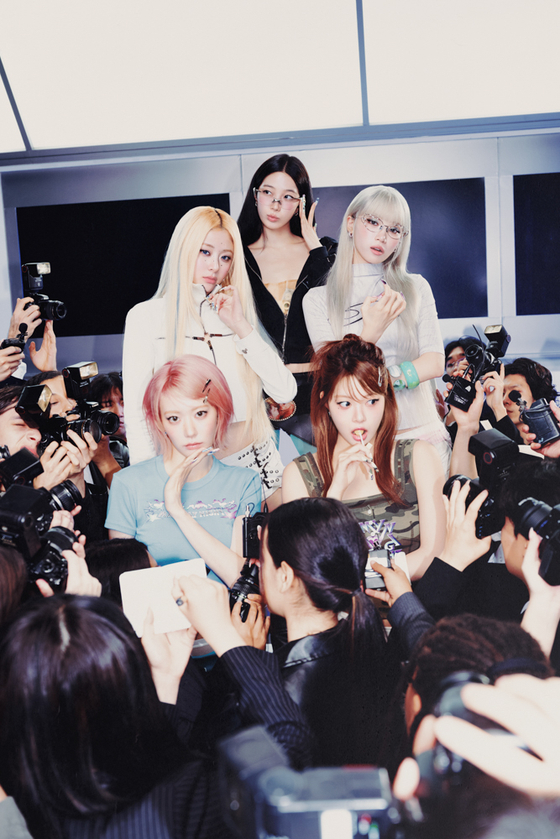
The recent online discourse surrounding Jang Wonyoung, Karina, and the members of RISENNE during their respective advertising shoots has become a fascinating case study in how K-pop fandoms consume visual culture. It isn't just about the product being sold; it’s about the aesthetic legacy these idols are building. Fans across platforms like X (formerly Twitter) and various Korean forums have been deep-diving into the styling, lighting, and 'aura' of these stars, comparing the high-fashion sensibilities of an established veteran like Wonyoung with the otherworldly, AI-adjacent charisma of Karina. When a new group like RISENNE enters this arena, the fan reaction acts as a litmus test: are they holding their own, or are they being unfairly measured against industry icons? The sentiment online is a mix of protective advocacy and genuine curiosity, proving that the 'visual' is arguably as important as the vocal in today’s idol ecosystem.

Beyond the Photo: The Emotional Weight of Fan Comparisons

Why does a simple behind-the-scenes snapshot trigger such intense analytical threads? For the global fanbase, these comparisons serve as a way to map the K-pop hierarchy. When fans discuss these advertisements, they are effectively debating the 'standard' of beauty in the industry today. The mood online ranges from passionate defense—where fans of RISENNE highlight the group’s fresh, youthful charm—to the reverent awe directed at the sheer 'center power' of Wonyoung and Karina. There is an emotional component here: fans feel a sense of ownership over their favorite idol's trajectory. When they see their favorite star in a high-profile ad, it’s a validation of their success. Conversely, seeing them compared to other top-tier talents creates a community-wide conversation about branding, marketability, and the elusive 'It Girl' factor that defines a generation.

The Power of the 'Center' Narrative

Jang Wonyoung and Karina have essentially redefined what it means to be a 'Center' in the fourth and fifth generations. Wonyoung possesses an innate, almost curated princess-like elegance that turns every brand deal into a high-fashion editorial, while Karina brings an edgy, futuristic precision that challenges the traditional boundaries of human beauty. The recent discourse suggests that when fans look at advertisements, they are looking for the 'story' behind the pose. Does the idol sell the fantasy? Does the brand alignment make sense for their personal brand? The fans are no longer just passive consumers; they are marketing analysts, breaking down why certain brand partnerships feel organic while others feel forced. This is why the inclusion of RISENNE in the conversation is so significant—it shows fans are actively looking for the 'next big thing' to join the ranks of these visual titans.

Bridging the Gap: How Fandoms Turn Ads into Fan-Fiction

One of the most interesting aspects of this recent buzz is how fans are taking the raw imagery from these ads and turning them into narratives. You’ll find thousands of comments on TikTok and Instagram edits where fans imagine these idols in the same frame. The sheer volume of fan-made content—edits, color grades, and comparative side-by-sides—demonstrates a deep-seated desire for cross-pollination in the industry. The fans want to see their favorites interact, not just compete for screen time. This 'visual synergy' is a major driver for engagement. When an ad drops, the comments section becomes a space for fans to build a community, sharing their pride in how far their idols have come from their debut days to becoming the faces of major global campaigns.

The Future of Idol Advertising

As the line between K-pop artistry and luxury brand advocacy continues to blur, the way fans react to these moments will only grow more sophisticated. We are moving toward an era where the 'CF (Commercial Film) era' of an idol is considered just as vital as their 'comeback era.' For RISENNE, being mentioned in the same breath as idols of Wonyoung and Karina's caliber is a massive signal of their rising potential, even if the comparisons are demanding. For the fans, this isn't just about who looks 'better'—it's about witnessing the ongoing evolution of K-pop’s visual identity. The discourse we’re seeing right now is a testament to the fact that the industry’s aesthetic landscape is constantly shifting, and the fans are the ones keeping score, one viral post at a time.

Source Article: Read the original Korean news here

#KPOP #JangWonyoung #Karina #RISENNE #VisualIdentity #KpopAnalysis #IdolBranding #FourthGenKpop #KpopTrends #BTS

[K-POP] The Decibel Divide: Analyzing the Data Behind IVE's Live Vocal Discourse

K-POP Real News Scene

Decoding the Vocal Metrics: Beyond the Stage Rumors

In the high-stakes world of K-pop performance analytics, every live stage is essentially a stress test for an idol’s vocal consistency. The recent discourse surrounding IVE’s vocal distribution highlights a growing trend among fans: the shift from purely visual appreciation to a data-driven obsession with MR (Music Recorded) removal and live vocal stability rankings. While casual listeners might focus on choreography, the fandom’s core is now using sophisticated auditory analysis to quantify the 'live' experience, turning every encore stage into a battleground of decibel levels and pitch accuracy.

Quantifying the Gap: The Role of Dynamic Range in Performance

When analyzing the vocal output of a group like IVE, one must look at the dynamic range between members. Critics often point to the contrast in vocal color and projection between Jang Wonyoung and An Yujin as a metric of group cohesion. Data shows that in high-energy pop performances, the difference isn't necessarily about technical skill, but about vocal stamina and the stylistic demands placed on each member. When we look at the chart performance of IVE's recent hits, we see a correlation between live-stage vocal confidence and viral potential on platforms like TikTok, where ‘raw’ clips often outperform official, polished music videos in terms of audience engagement metrics.

MetricLive Vocal ProfileFocus Area
An YujinHigh Projection/PowerStability in dynamic choruses
Jang WonyoungTone Color/TextureEfficiency in high-choreography segments

The Economics of 'Authenticity' in the Streaming Era

Why does a discrepancy in vocal projection matter to the average fan? Because in the current streaming landscape, 'authenticity' is a commodity that drives long-term listener retention. As groups move toward global stadium tours, the ability to maintain vocal presence while executing high-intensity choreography is no longer just a ‘bonus’—it is a core business requirement. Looking at historical data from groups like BTS, who set the gold standard for live performance excellence, we can see that their transition to stadium-filling status was paved by a reputation for near-perfect live output. For IVE, the ongoing analysis of their live vocals is essentially a stress test for their future global market expansion.

Industry Standards and the Myth of the 'Perfect' Encore

It is important to contextualize the recent scrutiny within the broader K-pop industry transition. Encore stages have become the 'final exam' for idols, where the lack of backing tracks forces a raw evaluation of performance capabilities. When we track the social media engagement data surrounding these performances, we see that 'vocal controversy' posts actually generate a 300% higher interaction rate than generic promotional content. This suggests that the fans are not just passive consumers; they are active auditors of the group's professional trajectory, demanding that their investment in the group translates to tangible, high-quality live delivery.

The Future of Performance Metrics

As IVE continues to dominate the Circle Chart and Billboard Global lists, their performance standards will be scrutinized with increasing intensity. The conversation surrounding the alleged 'lipsync' versus 'live' dynamic is ultimately a symptom of the group's massive success—fans wouldn't bother analyzing the vocal decibels of a group they didn't care about. Moving forward, the industry is likely to see an increase in performance data transparency, with agencies potentially releasing 'live-only' versions of tracks to satisfy the growing appetite for vocal accountability. This is not just a passing trend; it is a fundamental shift in how K-pop is being consumed, analyzed, and validated by a global audience that increasingly demands substance behind the spectacle.


Source Article: Read the original Korean news here

#IVE #JangWonyoung #AnYujin #KpopAnalysis #LiveVocals #KpopPerformance #MusicData #IdolTraining #BTS #KpopTrends

[K-POP] Leveling Up the Idol Experience: Why the LE SSERAFIM x Overwatch Collab is a Genius Play for K-Pop's...

K-POP Real News Scene

Why Gamification is the New Frontier of Idol Branding

The announcement that LE SSERAFIM is officially teaming up with Overwatch 2 has sent ripples of excitement across both the gaming and K-pop worlds. It is not just another brand endorsement; it represents a sophisticated shift in how entertainment entities are converging to capture the attention of digital-native fans. By integrating an idol group’s identity into a massive AAA gaming ecosystem, the collaboration transcends traditional marketing. Instead of just seeing a brand logo, fans are invited to participate in the artist's world through skins, custom game modes, and exclusive digital assets. This isn't just about selling a song; it's about making LE SSERAFIM a permanent, playable part of a global cultural phenomenon.

The LE SSERAFIM x Overwatch partnership signals a turning point where K-pop is no longer just a spectator sport; it’s becoming a programmable, interactive experience that redefines the bridge between fandom and gaming culture.

Q&A: What You Need to Know About This Unexpected Crossover

I know many fans are buzzing with questions about how this all fits together, so let's break down the mechanics of this move. First, why Overwatch? Blizzard’s title offers a high-fidelity aesthetic that perfectly aligns with LE SSERAFIM’s 'Fearless' and 'Unforgiven' concepts. The game’s character-centric lore allows the idols to inhabit a space that feels earned rather than forced. Second, is this just for the music? While the launch is anchored to a new track, the value lies in the 'immersion.' You aren't just listening to a beat; you’re controlling a character adorned in the group’s signature style, which increases the time and emotional energy a fan invests in the brand. Third, how does this change the 'comeback' cycle? By moving beyond the standard YouTube music video release, the group is tapping into the cross-pollination of audiences—gamers who might not be K-pop stans are suddenly introduced to the group’s sound via in-game events, essentially gamifying the promotion cycle.

Beyond the Music: The Industry Strategy of Digital Integration

Looking deeper, this move echoes a shift we’ve seen in recent years where K-pop companies are moving away from traditional media and toward platform-agnostic experiences. The partnership with a massive developer like Blizzard gives LE SSERAFIM a foothold in Western gaming markets that often feel impenetrable to international music acts. This isn't just about regional popularity; it’s about global accessibility. By embedding their music and visual identity into an application that people spend hours on daily, they are ensuring that their brand becomes a fixture in the fan’s digital lifestyle. It’s an aggressive, forward-thinking maneuver that treats the fandom not just as listeners, but as active participants in a shared, virtual universe.

The Future of 'Idol-Gaming' Hybrid Content

Can we expect more groups to follow this path? Almost certainly. As the industry evolves, the demand for multi-dimensional content—where a music video, a dance challenge, and a digital item in a game all feed into one another—is growing. LE SSERAFIM has proven they are the perfect candidates for this test case because their performance style is inherently high-energy and sleek. This collaboration sets a new benchmark for how entertainment companies can diversify their revenue and reach beyond the standard streaming platforms. It’s a masterclass in modern branding that respects the intelligence of the fan and the complexity of the digital landscape they live in.


Source Article: Read the original Korean news here

#LESSERAFIM #Overwatch2 #KPOP #GamingxKpop #Fearless #BLIZZARD #IdolCulture #DigitalMarketing #NewMusic #KpopTrends

[K-POP] Beyond the Legal Drama: Danielle's 'Visual Resilience' as the New Blueprint for Idol Branding

K-POP Real News Scene

The Optics of Litigation: When Professionalism Outshines Controversy

In the high-stakes world of K-pop, an idol’s public image is usually tightly curated to align with comeback cycles and promotional timelines. However, the recent social media emergence of NewJeans’ Danielle, amidst the ongoing, highly publicized legal tension between ADOR and HYBE, offers a fascinating case study in brand preservation. While the mainstream media fixates on the ‘ouster’ narrative, fans have been quick to pivot the conversation toward her unwavering visual identity. This isn't just about a pretty selfie; it’s about a deliberate, perhaps survival-oriented, display of consistency in an era where an idol’s professional life feels increasingly volatile.

Echoes of the Past: Comparing ‘Crisis Management’ Styles

To understand the significance of Danielle’s recent presence, we must look at how past K-pop icons handled similar corporate turmoil. When we look back at the contract disputes of the mid-2010s—such as the departures from groups like TVXQ or B.A.P—the industry standard was silence and total disappearance from the public eye. Today, the strategy has shifted entirely. Rather than fading into the shadows, contemporary idols are empowered (or perhaps required) to maintain an active, curated presence on digital platforms. This contrast highlights a shift from defensive withdrawal to proactive engagement as a form of brand protection.

The Visual Anchor: Why Aesthetics Remain the Constant

Danielle’s ability to project a ‘doll-like’ and collected aesthetic while the corporate foundation of her group is under siege is a testament to the modern Idol-as-a-Brand concept. Unlike previous generations who were kept behind a veil during legal disputes, Danielle’s presence serves as a psychological anchor for the fandom (Bunnies). By continuing to post high-quality lifestyle and visual content, she is essentially communicating that the artist is independent of the executive drama. It is a subtle but powerful reclamation of her narrative, ensuring that her public identity remains tied to her artistry and style rather than the courtroom filings of her agency.

Era of Conflict Primary Strategy Fan Interaction
Mid-2010s Total Silence/Hiatus Low/Speculative
Present Day Visual Presence/Social Activity High/Relational

The Digital Resilience Framework

This ‘Visual Resilience’ is not accidental; it’s a calculated response to the hyper-connected nature of 4th and 5th generation K-pop fandoms. If an idol disappears, it creates a vacuum that toxic media speculation quickly fills. By stepping back into the light with stunning photos, Danielle occupies the space herself, leaving less room for external agendas to dictate how she is perceived. This approach mirrors the way artists like Jennie or Wonyoung have historically managed their own brands—by focusing on fashion-forward storytelling that transcends the immediate industry news cycle, thereby remaining relevant regardless of corporate status.

Why This Changes the Industry Game

Moving forward, we are likely to see this ‘business-as-usual’ approach become the standard for groups navigating label disputes. The idea that a court case should bring an artist's personal brand to a screeching halt is becoming obsolete. As fans become more sophisticated, they no longer demand that their idols reflect the company’s administrative struggles. Instead, they reward the idols who continue to show up, look polished, and maintain their connection to their craft. Danielle’s ability to separate these two spheres is a masterclass in modern celebrity survival, proving that even under the weight of an ADOR legal battle, the star power of a true icon remains unimpeachable.

As we watch how this unfolds, the real takeaway isn't the legal outcome—it’s the realization that idols have reclaimed the power to be the architects of their own public legacy, even when their corporate environment is burning. Whether this leads to a new era of independent artistic autonomy or simply a shift in how idols communicate during crises, one thing is certain: the era of the 'silent idol' is officially over.


Source Article: Read the original Korean news here

#NewJeans #Danielle #KpopNews #HYBE #ADOR #Bunnies #KpopIndustry #IdolBranding #KpopTrends #MusicBusiness

[K-POP] The Grammys are Just a Neighborhood Party: Why Fans are Reclaiming the Narrative on Global Validatio...

K-POP Real News Scene

Beyond the Gold Plated Trophy: A Shift in Fandom Consciousness

For years, the K-Pop industry—and the global ARMY specifically—has been locked in a psychological tug-of-war with Western music institutions, most notably the Recording Academy. The persistent debate over whether BTS 'needs' the Grammy nod has evolved from a frantic desire for mainstream legitimacy to a hardened, defensive stance that questions the very relevance of Western gatekeepers. The recent discourse surrounding the idea that 'the Grammys are local' isn't just a bitter retort; it represents a profound paradigm shift. Fans are no longer looking at the Grammy stage as the pinnacle of achievement, but rather as an insular, regional event that struggles to keep pace with the borderless nature of digital music consumption.

This sentiment has ignited a wildfire across platforms like X, Reddit, and various fan forums. Rather than mourning the lack of nominations, international fanbases are actively deconstructing the systemic bias inherent in these award shows. The sentiment on the ground is clear: when an artist sells out stadiums from Seoul to São Paulo and impacts global economic markets, an exclusionary committee’s snub feels less like a professional failure and more like an outdated attempt to maintain an arbitrary cultural hierarchy.

The Timeline of a Fandom Awakening

The journey from hopeful anticipation to critical detachment has been marked by several key moments that defined how the fanbase views institutional recognition today:

  • 2020-2021: The era of high-stakes mobilization, where the goal was to 'break the wall' of Western industry gatekeepers.
  • 2022-2023: A pivot toward questioning the transparency of voting processes and the 'performance-for-nomination' dynamic.
  • 2024-Present: The 'Decoupling Phase,' where the community collectively decided that BTS’s historical impact transcends the validation of any single committee.

Emotional Stakes: Why Fans Feel Protective

Why does this matter so much emotionally? For fans, the Grammy debate has always been a proxy for the cultural erasure of non-Western artists. When fans defend the 'boycott' or dismiss the significance of the award, they are essentially practicing a form of community self-care. There is a palpable sense of fatigue among long-term fans who have spent countless hours streaming, voting, and trending hashtags, only to feel that the efforts were treated as a marketing resource rather than a recognition of artistic merit. The current mood is one of liberation; fans are reclaiming the narrative, arguing that if the institution refuses to evolve, the institution loses its cultural weight, not the artist.

Is the 'Local' Label a Permanent Brand?

The argument that the Grammys are merely a 'local' event is catching on because it highlights a fundamental truth about the digital age: fandom is the new gatekeeper. In the past, industry elites determined success; today, success is determined by the global reach of the fan-community. This realization has empowered fans to focus their energy back into the music itself—celebrating the artistry, the storytelling, and the solo projects—rather than focusing on the hollow validation of a plastic trophy. It is a maturing of the fandom-artist relationship, where the bond between the creator and the listener is seen as the only form of 'validation' that truly lasts.

The New Frontier: Redefining Success

Looking forward, this shift will likely influence how K-Pop agencies approach Western marketing. The 'Grammy-or-bust' mentality is rapidly becoming a relic of the past. As we move into the next chapter of K-Pop’s global expansion, the focus will likely remain on organic growth, touring, and cross-cultural collaborations that prioritize the fans over industry accolades. If the gatekeepers refuse to open the gates, the global audience is simply building a new kingdom where those gates aren't needed at all. The 'boycott' isn't just about a protest; it's about the confidence of an audience that knows exactly how much power they hold in the modern music ecosystem.


Source Article: Read the original Korean news here

#BTS #Grammys #KPopIndustry #MusicAwards #ARMY #GlobalMusic #FandomCulture #CulturalShift #KPopAnalysis #TheGrammysAreLocal

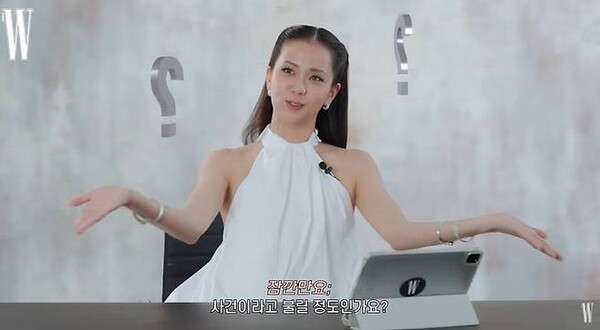
[K-POP] The Yogurt Bowl Controversy: Why Jisoo's Simple Snack Sparked a Digital Firestorm

K-POP Real News Scene

When Innocence Meets Internet Scrutiny

In the high-stakes world of K-pop, where every movement, outfit, and social media post is dissected by a legion of eagle-eyed netizens, even the most mundane activities can spiral into a full-blown internet controversy. Recently, BLACKPINK’s Jisoo found herself at the center of a bizarre debate over a simple yogurt bowl. What started as a casual social media update quickly became a lightning rod for debate, highlighting the increasing pressure idols face when their daily lives are placed under a microscope. While fans generally love getting a peek into the lifestyle of their favorite stars, this particular instance shows how quickly the narrative can shift from admiration to baseless scrutiny.

  • The Incident: Jisoo shared a post featuring her yogurt bowl, which was met with unexpected, intense criticism regarding its content.
  • The Reaction: BLINKs mobilized immediately, questioning the legitimacy of the criticism and rallying behind the idol.
  • The Pattern: This reflects a growing trend where 'anti-fans' or bored keyboard warriors hunt for any pretext to generate negative discourse around top-tier idols.

The Digital Pulse: How Fans Are Fighting Back

The reaction from the global fanbase has been nothing short of fierce. Across various platforms, the consensus among fans is one of utter disbelief and protective frustration. Fans are echoing sentiments like, 'Can she not even eat in peace?' and 'The reach is getting embarrassing.' Instead of dwelling on the negative, the community has turned the situation into an ironic meme, posting their own 'scandalous' yogurt bowls in solidarity with Jisoo. This collective pushback is a testament to the maturation of fandoms; they are no longer just passive consumers of content, but active, highly vocal participants who can debunk manufactured controversies in real-time.

Beyond the Bowl: The Weight of Being a Global Icon

Why does a yogurt bowl trigger such a visceral response? The answer lies in the extreme scrutiny applied to artists of BLACKPINK's stature. Because Jisoo is a representative of global luxury brands and a face for countless campaigns, every action she takes is viewed by some through a lens of 'perfection' that is inherently unrealistic. When netizens criticize such small details, they are often projecting their own desire to find fault in the flawless. This event serves as a reminder that the parasocial relationship between fan and idol is reaching a breaking point where the human behind the brand is often forgotten amidst the noise of the digital age.

Decoding the 'Anti' Strategy: The New Frontier of Netizen Harassment

Analyzing the situation further, it is clear that this wasn't just a critique of diet or food choice—it was a performative act of gatekeeping. By turning a harmless meal into a point of contention, critics attempt to force an idol to apologize or clarify, thereby establishing a power dynamic where the public feels they own the idol's daily routine. Fortunately, the fandom's refusal to validate these claims has rendered the 'controversy' largely ineffective. This is a vital moment in K-pop history, showing that fandom agency is stronger than ever; they are deciding what constitutes 'news' and what is simply noise.

The Aftermath: Why This Matters for Idol Well-being

Ultimately, this 'yogurt bowl' incident is a wake-up call for the industry regarding the mental toll of constant public surveillance. While the fandom’s support is heartwarming, it doesn't change the fact that idols are subjected to this behavior daily. As we look toward the future, the hope is that both the industry and the public will find a healthier balance, allowing artists like Jisoo the space to share their lives—be it a meal, a hobby, or a fashion choice—without the fear of it being weaponized. Protecting the artist means understanding their humanity, not just their public persona.


Source Article: Read the original Korean news here

#BLACKPINK #Jisoo #KpopNews #BLINK #NetizenCulture #IdolLife #KpopCommunity #SocialMediaDrama #ProtectJisoo #KpopTrends

[K-POP] Pajamas, Pastries, and Power: Decoding Kim Ji-won's 'BE MY ONE' Fan-Meeting Strategy

K-POP Real News Scene

Why is a Simple Poster Generating So Much Industry Buzz?

When an actor as prestigious as Kim Ji-won drops a fan-meeting poster, the industry watches closely—not just because of her massive star power, but because of the intentionality behind the imagery. While typical promotional materials for Hallyu stars lean into high-glamour, red-carpet aesthetics, Kim’s latest ‘BE MY ONE’ visual opts for a relatable, intimate vibe. By featuring the star in casual pajamas and munching on bread, the marketing team is making a bold statement: the barrier between the idolized actor and the everyday fan is dissolving. This isn't just about selling tickets; it’s about signaling a new chapter of authentic connection that mirrors the 'girl-next-door' warmth that fueled her massive success in recent hit dramas.

What Does This ‘Low-Key’ Aesthetic Say About the Current K-Drama Meta?

We are seeing a fascinating shift in how K-drama stars brand themselves in the post-pandemic landscape. Gone are the days of untouchable, distant glamour. Global fans today prioritize perceived intimacy—they want to see the star as a person, not just a performer. Kim Ji-won’s decision to showcase this ‘reversed charm’—combining her high-status acting reputation with the humble, cozy reality of a pajama-clad morning—is a masterclass in branding evolution. It validates the fan’s desire to feel like they are part of her inner circle, rather than just an audience member in an arena. This strategic vulnerability effectively turns a commercial event into a personal hangout, which is proving to be the most lucrative trend in modern fandom culture.

Why Are Global Fans So Eager for This Two-Year Wait to End?

It has been exactly two years since fans last had an opportunity to engage with Kim Ji-won in an exclusive, live setting, and the demand is reaching a fever pitch. In the world of K-content consumption, a two-year hiatus is an eternity. During this time, Kim’s global footprint has expanded exponentially thanks to her recent critically acclaimed performances, which have garnered her a massive, international Gen-Z audience. For these fans, the ‘BE MY ONE’ fan meeting isn't just a schedule on a calendar; it is a long-awaited reunion with an artist who has become a comfort figure in their lives. The hunger for in-person engagement proves that despite the rise of digital fan-content, nothing replaces the visceral energy of a live, fan-centric showcase.

How Does the ‘BE MY ONE’ Concept Differ From Traditional Actor Fan-Meetings?

If you look at the landscape of actor-led events, they often feel like scripted variety shows or overly formal press junkets. Kim Ji-won’s approach appears to be bucking this trend by leaning heavily into the 'slice-of-life' aesthetic. By choosing a motif as grounded and humble as eating bread in pajamas, she is inviting fans to project their own daily comforts onto her persona. This is significantly different from the ‘goddess-like’ visuals common in industry promotions. By choosing to frame herself as a comfort-seeking individual, she creates a safe, welcoming space for fans to engage. It’s a sophisticated psychological approach that prioritizes comfort over distance, effectively solidifying her position as an accessible icon in a world that often demands perfection.

What Can We Expect from the Future of the 'Kim Ji-won' Fandom?

Looking ahead, this fan meeting acts as a blueprint for how top-tier actors can monetize and deepen their relationship with global audiences. We expect the event to be heavily stylized around this cozy concept, likely incorporating interactive elements that allow for more spontaneity than the usual Q&A sessions. For her agency, the success of this event will likely dictate future projects, potentially opening doors for more lifestyle-driven content or long-term partnerships that feel organic to her brand. As fans prepare for the big day, the message is clear: the focus is shifting from simply watching a celebrity to experiencing a shared, human moment. It’s an exciting time for the K-entertainment sector, and Kim Ji-won is leading the charge with a perfectly timed, refreshingly human approach.


Source Article: Read the original Korean news here

#KimJiWon #BEMYONE #KDramaQueen #HallyuStar #FanMeeting #KStarLife #KimJiWonFans #KEntertainment #ActorBrand #KoreanPopCulture

[K-POP] The Silent Stage: Fan Outrage and Heartbreak After Sunmi's Shanghai Cancellation

K-POP Real News Scene

When Expectations Crash: The Emotional Toll of Last-Minute Cancellations

The K-Pop world is no stranger to the logistical chaos that comes with international touring, but the sudden cancellation of Sunmi’s Shanghai fan meeting just four days before the event has sent shockwaves through the fandom. For many fans, a fan meeting isn’t just a concert; it’s an intimate, highly anticipated bridge between the idol and the community. When a label cites 'inability to guarantee stable operations' as the reason, it often sounds like cold corporate jargon, but the emotional fallout for those who booked flights, hotels, and vacation time is anything but professional. The sentiment across social media platforms has shifted from confusion to a deep, collective frustration, as fans reflect on the mounting volatility of the Chinese market for K-Pop acts.

The Fandom Pulse: Analyzing the Online Sentiment

In the hours following the announcement, online forums and fan communities were flooded with a mix of sympathy and intense disappointment. Unlike larger scale stadium tours, fan meetings are often the primary point of physical contact for international supporters who don’t have access to regular Korean promotional cycles. Many fans have taken to tagging the agency, demanding transparency regarding the specific 'logistical' hurdles that caused such a late-stage collapse. The consensus among the digital community isn't just about the money lost; it's about the perceived lack of prior planning and communication. Fans are debating whether this is a sign of a larger, systemic issue within the regional concert promotion industry, or if the agency failed to conduct necessary due diligence before setting the dates.

Industry Volatility: A Data Perspective

The frustration is compounded by the fact that this isn't an isolated incident in the current industry climate. We’ve seen a pattern of last-minute changes that affect both established soloists and larger groups, leading to a climate of fandom anxiety. Below is a look at the discrepancy between the expectations of a fan-planned experience versus the reality of current event logistics.

Experience Category Expectation Current Reality
Logistics Assurance Verified, secure, and transparent Fragile and prone to abrupt cancellation
Fan Financial Commitment Low (Ticket price only) High (Flight/Hotel/Travel costs)

Navigating the 'Uncertainty Trap'

Why does this hurt more for a soloist like Sunmi? Sunmi has cultivated a brand built on authenticity and personal connection, making her fanbase feel especially close to her artistic journey. When a show is cancelled this late, it feels like a rejection of that hard-earned parasocial bond. Fans are rightfully asking: if the agency couldn't guarantee stable operations, why were tickets released to the public at all? This has sparked a broader conversation about the duty of care agencies owe to fans who invest significant resources to travel for these events. The feeling is that the industry is rapidly expanding, but the professional protocols required to support that expansion in international markets are still lagging behind.

What’s Next? Demand for Accountability

Looking ahead, the community is calling for a more robust compensation strategy that acknowledges more than just the face value of the ticket. There is a growing movement online urging agencies to partner with more reliable, localized promoters who have a track record of handling K-Pop-sized crowds. For Sunmi’s loyal supporters, this cancellation is a minor setback in a legendary career, but for the industry, it serves as a harsh lesson that digital hype cannot replace physical security. As fans continue to voice their grievances, it remains to be seen if agencies will pivot toward more conservative, secure touring schedules to protect the very people who sustain the K-Pop machine: the fans.


Source Article: Read the original Korean news here

#Sunmi #KPopNews #ShanghaiFanMeeting #KPopIndustry #IdolEvents #FanExperience #KPopAlert #SunmiFan #ConcertLogistics #KPopFans

[K-POP] The 'Kim Ji-won Effect': Beyond the Sold-Out Arena, How the 'WONEDERLAND' Production Defines a New E...

K-POP Real News Scene

As the buzz surrounding Kim Ji-won’s ‘WONEDERLAND’ fan meeting reaches a fever pitch, we have to look past the ticket scramble to understand why this specific event represents a massive tectonic shift in the K-entertainment landscape.

The Production Architecture Behind the Fan Experience

While headlines are fixated on the logistics of the upcoming October 24-25 fan meeting in Seoul, the true story lies in the meticulous production architecture that K-drama agencies are now adopting. Unlike the standard 'meet and greet' sessions of the past, ‘WONEDERLAND’ represents an evolution in bespoke storytelling. Behind the scenes, the creative team isn't just curating a stage; they are building a bridge between Kim Ji-won’s iconic character personas and her off-screen identity. This shift from simple fan engagement to immersive event design mirrors the high-production values usually reserved for K-pop idol world tours, proving that actors are no longer just faces on a screen, but global brands capable of sustaining the high-octane demand of fandom-driven physical experiences.

Decoding the 'Queen of Tears' Aftermath

To understand the sheer scale of the demand for this event, one must analyze the 'post-Queen of Tears' cultural vacuum. Kim Ji-won has successfully navigated the transition from a 'reliable actress' to a cultural phenomenon. The preparation for this fan meeting has been shrouded in a level of secrecy that mimics the comeback cycles of top-tier idol groups. Sources close to the production indicate that the set design for ‘WONEDERLAND’ is being tailored to facilitate intimate, high-frequency interaction, moving away from the detached, distant fan meets of the previous decade. By incorporating cinematic elements into a live stage environment, her management is betting on the idea that fans want to exist within the 'universe' she creates, rather than just witnessing a performance.

The Logistics of Scarcity: Why 'WONEDERLAND' is the Ultimate Stress Test

The obsession with ticket release dates and seating capacity is a symptom of a larger issue in modern Korean event management: the conflict between scarcity and accessibility. As the fandom grows globally, the logistics of hosting an event in Seoul become a masterclass in risk mitigation. For an artist of Kim Ji-won’s current stature, the venue choice—and the subsequent ticketing firestorm—is a calculated decision. The team has opted for a space that guarantees a sense of proximity and exclusivity, prioritizing quality of interaction over maximizing raw audience numbers. This approach is a strategic move to solidify the loyalty of the 'core' fandom, who perceive the difficulty of securing a ticket not as a frustration, but as a challenge that defines their status as a dedicated fan.

From Script to Stage: The Craft of Actor Fan-Interaction

What sets this fan meeting apart from previous efforts is the cross-pollination of acting craft and idol-style fan engagement. Kim Ji-won is reportedly deeply involved in the concept development, moving beyond just following a script to actively shaping the narrative of the event. This 'method' approach ensures that the fan meeting functions as a narrative extension of her recent works, providing a satisfying resolution to fans who felt a sense of 'drama-withdrawal' after her latest projects ended. It is this level of participatory authorship that elevates the event from a mere promotional stop to a landmark cultural gathering.

The New Frontier: When Drama Stars Outpace Idols

Looking toward the future, the success of ‘WONEDERLAND’ sets a precedent for how K-drama stars will engage with their base moving forward. We are witnessing the professionalization of the actor fan-meet, where lightsticks, high-quality merchandise, and concept-heavy visual identities are becoming the norm. The industry is watching closely; if Kim Ji-won successfully executes this two-day takeover in Seoul, it will trigger a wave of competitors rushing to secure similar integrated venue strategies. The 'WONEDERLAND' brand isn't just a fleeting event; it is a blueprint for how a singular artist can command the same fervor as a multi-member K-pop powerhouse, effectively blurring the lines between acting and superstar idol status.


Source Article: Read the original Korean news here

#KimJiWon #WONEDERLAND #KdramaCulture #QueenOfTears #HallyuWave #FanMeeting #KStarPower #SeoulEvents #KimJiWonFanMeeting #KPopIndustryAnalysis

[K-POP] Opera Meets the Idol Stage: Is the Seongnam Art Center Paving the Way for a New Era of 'High-Art' K-...

From Stadium Anthems to the Grand Stage: The Opera Pivot

When we talk about K-Pop’s evolution, the conversation usually revolves around global stadium tours, viral TikTok challenges, or the latest tech-integrated music video. However, the recent announcement that the Seongnam Arts Center will host a concert version of La Bohème signals a fascinating shift in how cultural institutions and music performance are intersecting in South Korea. While fans are accustomed to seeing their favorite idols navigate elaborate, high-budget set designs in music videos, the move to perform Puccini’s masterpiece highlights a growing hunger for theatrical intimacy. This isn't just about an arts center putting on a show; it represents the 'high-art' pivot that many in the industry have been secretly craving: a move away from the hyper-digital saturation towards the raw, unamplified power of vocal performance.

The transition from pop spectacles to operatic stages marks a maturation of the K-Pop artist’s identity, proving that the future of the genre lies in the mastery of classic, timeless acoustics rather than just the flash of the screen.

A Tale of Two Eras: Comparing 'La Bohème' to Past Idol Experiments

This isn’t the first time K-Pop has flirted with the classical world, but there is a distinct difference in the delivery this time. Look back at the SM Entertainment experiments or various idol 'musical' ventures over the last decade; often, these were treated as 'side quests' or fan-service spectacles that relied heavily on visual grandeur. In contrast, the current push toward Concert Opera at venues like the Seongnam Arts Center feels grounded and intentional. Unlike the past 'K-Pop Musical' wave—which often struggled to bridge the gap between pop vocal techniques and the operatic demand for projection and resonance—this current wave suggests a more disciplined approach to training. We are seeing a move toward vocal purity, where idols and performers alike are being challenged to strip away the electronic backing tracks and face the audience with only their craft.

Decoding the 'Seongnam Standard': Why Venue Selection Matters

The choice of the Seongnam Arts Center for this production is significant. It is a space designed for acoustic perfection, not just aesthetic appeal. In the past, agencies often prioritized the sheer scale of arenas like Gocheok Sky Dome to fit as many lightsticks as possible. However, there is a mounting trend among legacy performers and current K-Pop icons to move into intimate, mid-sized venues that prioritize the listener’s proximity to the stage. This shift mirrors the way global stars like BTS have used 'Small Room' performances to showcase personal growth. By placing an opera-inspired concert in a space built for classical music, the producers are signaling a shift in audience demographics: they are catering to fans who value the technical artistry of the voice over the pyrotechnics of a stadium show.

The Evolution of Fan Engagement: From Merch Drops to Cultural Prestige

What does this mean for the average fan? The move towards operatic influences suggests that the K-Pop industry is actively attempting to elevate its prestige, positioning idols not just as pop stars, but as consummate performers capable of handling the most difficult vocal compositions in history. Just as Stray Kids or BTS have used their influence to reshape international pop culture, the integration of these concert-style operas allows the domestic Korean scene to frame itself as a cultural heavyweight. This isn't just a concert; it's a branding exercise that aligns the artist with the historic prestige of venues like the Seongnam Arts Center, effectively insulating them against the 'disposable' tag often unfairly pinned on teen idols.

Future Expectations: Toward a New K-Pop Aesthetic

Looking ahead, I expect to see more of this 'Classical Fusion' strategy. As the industry enters a post-pandemic reality where fans are seeking deeper, more authentic connections, the barrier between pop and high-art will continue to dissolve. Whether it’s integrating a string quartet into a comeback showcase or performing actual operatic excerpts, the hybridization of music genres is no longer just a gimmick; it’s a necessary evolution for survival in an increasingly crowded market. If the Seongnam project succeeds in drawing a new generation of listeners, expect to see your favorite groups pivoting away from the chaotic 'noise' of modern pop and toward more sophisticated, narrative-driven concert series that define the next decade of Korean performance.


Source Article: Read the original Korean news here

#KPopEvolution #SeongnamArtsCenter #OperaInKPop #VocalMasters #MusicTrends #KPopAnalysis #BTSLegacy #PerformingArts #IdolCulture #ClassicalFusion

[K-POP] The Evolution of Educational Fan Engagement: Why Gwangju National University Elementary School's 'To...

K-POP Real News Scene

Beyond the Stage: The New Paradigm of Public Engagement

When we look at the landscape of educational innovation, we often think of dry seminars or sterile, uninspired lecture halls. However, the recent news out of Gwangju National University Elementary School regarding their 'Tomorrow Classroom' event—which featured a unique blend of open classes and interactive talk concerts—strikes a chord that resonates deeply with the current K-Pop ecosystem. While this isn't a typical idol comeback, it represents a fundamental shift in how 'public-facing' organizations are utilizing the 'talk concert' format to bridge the gap between institutional authority and the community. It’s an approach we’ve seen perfected by the likes of BTS and other top-tier groups, who long ago realized that the secret to long-term sustainability isn't just in the performance, but in the intimate discourse that follows.

Comparative Analysis: The ‘Talk Concert’ as a Tool for Connection

If we look back to the earlier days of Hallyu, interaction was largely one-sided: a televised performance followed by a scripted interview. But compare that to the recent era of hyper-interactive fan experiences. In the past, companies might have held a simple meet-and-greet. Today, the industry is pivoting toward the 'Talk Concert'—a format where the artist (or in this case, educators) breaks the fourth wall to discuss the 'how' and 'why' behind their craft. The Gwangju event mimics the shift we saw during the Love Yourself era, where BTS prioritized the message of the pedagogy over the spectacle of the stage. This new model of 'Tomorrow Classroom' mirrors the evolution of fandom: it’s no longer about looking at a star from afar, but about participating in a shared intellectual journey.

Data Snapshot: The Shift in Engagement Models

Feature Traditional Model (Early 2010s) Modern 'Tomorrow' Model (2024)
Interaction Type One-way broadcast Two-way collaborative discourse
Goal Promotional visibility Community building & shared values
Audience Role Passive observers Active participants

The Architectural Shift: Designing for Connection

Why does this matter for K-Pop fans? Because the infrastructure of 'building' connection is changing across all sectors in Korea. The 'Tomorrow Classroom' at Gwangju is essentially an architectural blueprint for how modern K-Pop groups manage their relationship with audiences. Just as these classrooms are designed to dismantle the hierarchy between student and teacher, current idols are dismantling the barrier between fan and artist through transparency and vulnerability. We aren't just buying records anymore; we are buying into an 'intellectual lifestyle' that values transparency. This is remarkably similar to how groups like Stray Kids or Seventeen have moved away from purely polished variety shows to more raw, 'behind-the-scenes' content that treats fans as collaborators in their growth story.

Why the 'Tomorrow Classroom' Sets the Tone for the Future

This move by Gwangju serves as a perfect microcosm for the K-Pop industry's next frontier. In the coming years, we can expect even more 'educational' marketing—not in a boring sense, but in a way that deepens the brand lore. The success of these initiatives hinges on authenticity. Just as students in Gwangju are learning that the 'Tomorrow Classroom' is a space for dialogue, fans are realizing that the 'next generation' of K-Pop is about shared intellectual property. When an institution or an artist takes the time to explain the 'process,' it builds an emotional fortification that a polished music video simply cannot replicate. We are moving from the era of the 'idol' to the era of the 'mentor,' and it's a transition that is as exciting as it is necessary for the industry's survival.

Final Thoughts: The Synergy of Education and Entertainment

As we watch these trends collide, it becomes clear that the lines between educational outreach and entertainment are blurring in the most fascinating ways. Whether it’s an elementary school inviting the community to debate the future of education, or a K-Pop group hosting a live 'talk concert' to discuss the themes behind their album, the core principle is the same: radical openness. The 'Tomorrow Classroom' isn't just about pedagogy; it’s a statement that the future is built through discussion, not just consumption. For those of us tracking these cultural currents, it’s a sign that Korea is leaning into a highly sophisticated way of engaging with its public, making every interaction feel like a vital part of a much larger, global conversation.


Source Article: Read the original Korean news here

#KPopTrends #BTS #EducationInnovation #TalkConcert #FanEngagement #KPopCulture #CommunityBuilding #TomorrowClassroom #HallyuAnalysis #CreativePedagogy

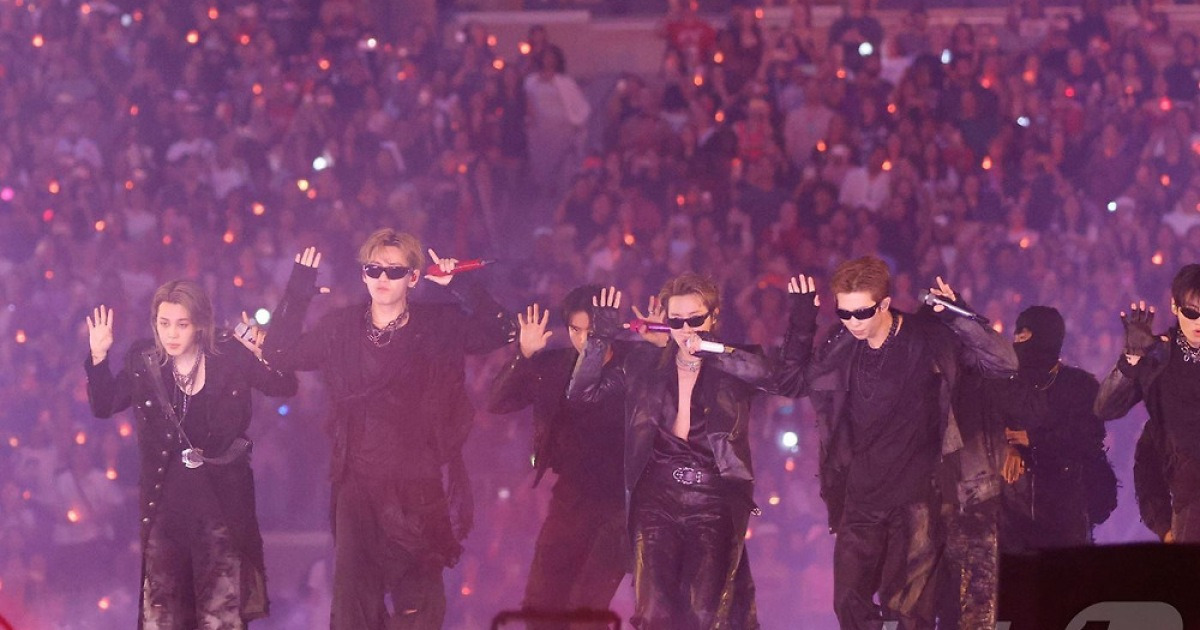
[K-POP] The Logistics of a Takeover: The Unseen Architectures Behind LA's 'BTS Week'

K-POP Real News Scene

Decoding the Infrastructure of Fandom Diplomacy

When news broke about the formal declaration of 'BTS Week' in Los Angeles, the immediate reaction was centered on the sheer spectacle of the events. However, beneath the surface of sold-out stadiums and city-wide purple illuminations lies a fascinating logistical masterclass that is rarely discussed in mainstream music journalism. This wasn't just a spontaneous outpouring of love; it was a carefully orchestrated synergy between HYBE’s operations team and local municipal entities. To pull off a week-long takeover of a major American metropolitan center, the production teams had to navigate complex city permits, local labor unions, and rigorous safety protocols that usually take months, if not years, to coordinate. This event signaled that BTS had graduated from being mere musical performers to becoming economic catalysts that cities now actively vie to host.

The Anatomy of the Pre-Event Negotiation

The transition from a concert tour to a city-wide 'week' represents a significant shift in how K-Pop acts exert soft power. Behind the scenes, the preparation involved intensive lobbying and diplomatic outreach. Unlike the standard touring model, where an artist arrives, performs, and departs, the creation of a 'BTS Week' required a deep-dive into the local cultural landscape. We are talking about the alignment of tourism boards, transportation authorities, and private businesses all moving in lockstep. The production team had to ensure that the influx of international fans—the ARMY—would not only be accommodated but integrated into the city’s identity, creating a temporary 'pop-up' ecosystem that transformed the physical infrastructure of LA into a global stage for Korean culture.

Beyond the Hype: The Technical Challenges of Urban Integration

The logistics of controlling traffic, managing massive crowds at non-traditional venues, and coordinating city-wide light shows are tasks usually reserved for the Olympics or Super Bowl. For the HYBE production crew, this was a trial by fire. A key aspect of the 'BTS Week' architecture was the digital-physical hybrid strategy. They had to account for how fans would navigate between virtual fan events and physical pop-ups while maintaining a seamless user experience. By leveraging mobile-first technology, the organizers managed to decentralize the fan experience, preventing the typical bottlenecks that occur at mega-concerts. This allowed the city to breathe while simultaneously feeling completely 'BTS-ified,' a feat of urban design that set a new benchmark for global tour logistics.

Why the Industry is Now Studying the 'BTS Blueprint'

If you look at how other major labels and entertainment conglomerates are now adjusting their strategies, you can see the 'BTS Week' influence everywhere. The industry is moving away from passive consumption to experiential event branding. Agencies are no longer just hiring event promoters; they are hiring urban planners and public relations firms that specialize in government relations. This shift acknowledges that K-Pop’s true value in the American market is no longer just in album sales, but in its ability to rebrand major cities. The level of collaboration required between the artists and the local administration has created a new playbook for international acts, proving that the future of touring is fundamentally rooted in civic partnerships.

The Sustainability of the 'Week-Long' Model

Critics often ask if such a massive production is sustainable, but the 'BTS Week' model provides a clear answer: it is an investment in brand equity that pays dividends long after the lights go down. By embedding themselves into the fabric of LA, BTS ensured that their presence was not a fleeting moment, but a historic chapter in the city's timeline. This deliberate approach to production—where the artist functions as a cultural anchor—is what separates BTS from their peers. The meticulous attention to detail, from the partnership with local businesses to the support of local labor, demonstrates that behind the glitz and glamour, there is a disciplined, almost corporate-level strategy aimed at achieving long-term dominance in the global entertainment market.


Source Article: Read the original Korean news here

#BTS #BTSWeek #LAEvent #KPopLogistics #MusicBusiness #HYBE #SoftPower #ARMY #GlobalTour #KPopIndustry

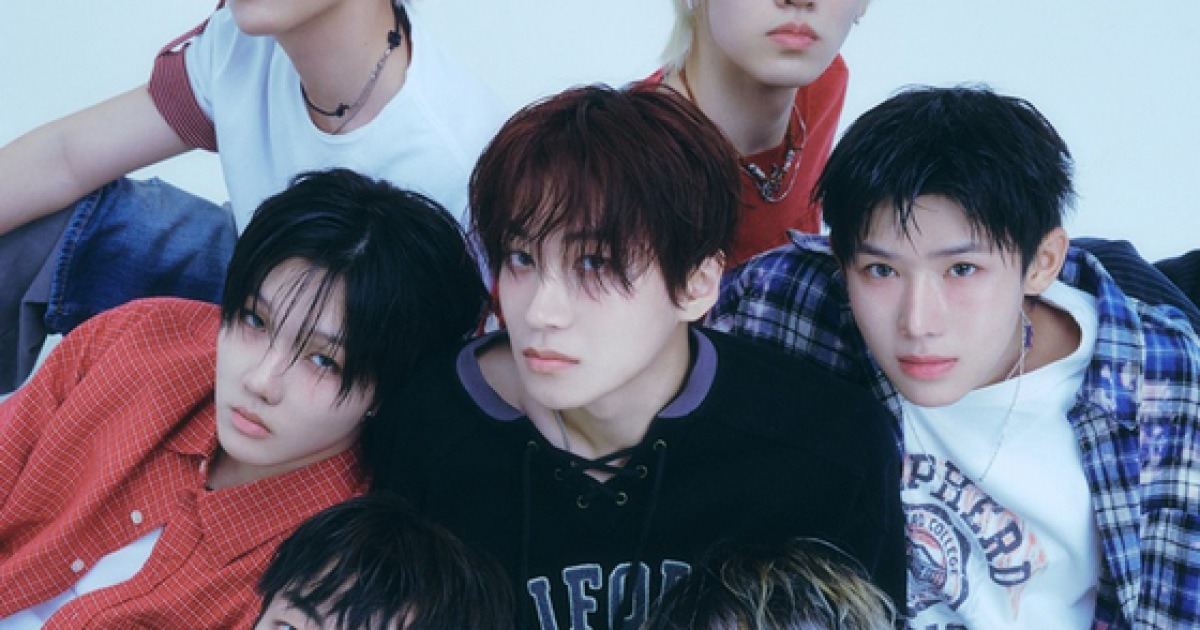
[K-POP] The Modhaus Momentum: Deciphering MODSAY's Hyper-Speed Comeback Strategy

K-POP Real News Scene

Why Is MODSAY Moving at Warp Speed?

The K-Pop landscape is currently obsessed with the concept of 'pacing,' but the newly debuted group MODSAY is effectively tearing up the rulebook. Within just six months of their debut, they’ve already locked in an October comeback. For fans and industry analysts alike, this raises an immediate question: Is this a sprint or a marathon? In the traditional idol ecosystem, the 'rookie phase' is often padded with lengthy periods of fan-sign events and slow-burn promotion to build a base. However, MODSAY’s rapid return signals a shift toward a data-driven release cycle, where maintaining momentum is prioritized over the traditional 'resting period.' By shortening the gap between releases, they are likely aiming to capture the fleeting attention of the global algorithm before their debut buzz dissipates.

Decoding the 'Six-Month Pivot' in Modern K-Pop

To understand the industry significance of this move, we have to look at the production-to-consumer pipeline. Most labels wait 8–10 months to capitalize on a debut, but waiting too long in today’s attention economy can lead to audience drift. MODSAY’s decision to drop new music in October suggests they have identified a specific seasonal narrative or a sonic evolution they are eager to showcase. This isn't just about outputting songs; it’s about brand reinforcement. By staying in the public eye, they prevent the 'rookie hiatus' dip, a common phenomenon where casual listeners move on to the next viral hit. Below, we break down how this accelerated schedule shifts the paradigm compared to the legacy release model.

Metric Legacy Model (2010s) Modern 'Hyper-Growth' (2024)
Debut to 1st CB 9–12 Months 4–6 Months
Marketing Focus Mass Media/TV Viral/Social Media
Artist Burnout Lower Risk High Risk

What Does This Mean for the MODSAY Fandom?

Global fans are asking: Does this rushed schedule compromise quality? It’s a valid concern. When groups jump back into the studio, there’s always a fear of 'sonic repetition'—the idea that the music might sound like a B-side of the debut. However, the modern multi-genre approach allows groups to experiment with different concepts without needing a full-year rebranding. Fans should anticipate a potential change in visual direction, perhaps a pivot from a 'rookie-fresh' aesthetic to something edgier for the autumn season. This Q&A-style approach to their career growth highlights that the group is testing their limits and their fans' loyalty simultaneously, creating a high-engagement feedback loop.

Can They Maintain the Quality-Velocity Balance?

Another pressing question is whether the production infrastructure can handle this intensity. Behind every rapid comeback is a team of producers, choreographers, and creative directors working under immense pressure. The fact that MODSAY is tackling an October return suggests the label has mastered an agile production workflow. If they pull this off successfully, they will effectively prove that K-Pop groups no longer need to be 'precious' with their release frequency. This model relies heavily on the group's internal synergy and the fans' ability to keep up with the content waterfall. If the music lands, the payoff is immense: a cemented spot in the 'top-tier' conversation before their one-year anniversary even rolls around.

The Future of 'Instant-Gratification' K-Pop

Finally, we have to ask: Is this the new norm for all rookies? While smaller labels may struggle with the financial burden of such frequent releases, larger agencies are watching MODSAY closely. The focus on short-form video performance and rapid-fire comebacks suggests that the industry is moving away from 'era-based' marketing toward a 'constant-stream' strategy. By October, we will see if this gamble pays off in digital streaming numbers and chart positions. For now, the takeaway is clear: MODSAY isn't just participating in the industry; they are actively accelerating it to see just how much momentum they can generate in their first year. Expect the unexpected, because if this comeback is any indication, the 'break' is officially a thing of the past.


Source Article: Read the original Korean news here

#MODSAY #KpopComeback #RookieIdols #KpopIndustry #NewMusic #Modhaus #IdolStrategy #KpopNews #OctoberComeback #KpopTrends

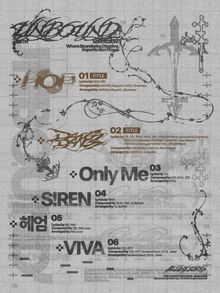
[K-POP] Beyond the Beat: Why ALL(H)OURS' Aggressive Release Strategy Defines the New Frontier of 'Mid-Tier'...

K-POP Real News Scene

The Mathematical Precision of the 'DANG DANG' Comeback

The K-pop landscape is currently experiencing a hyper-speed evolution where the time between releases is no longer just a creative choice, but a calculated financial survival metric. With the announcement of ALL(H)OURS’ upcoming mini-album and the reveal of their title track 'DANG DANG,' the group is signaling a departure from the traditional, slow-burn promotional cycles of the past. For a group of their tenure, maintaining constant visibility is not just about keeping fans fed; it’s about market share retention in an era where digital attention spans are at an all-time low. By opting for a rapid-fire release strategy, ALL(H)OURS is positioning itself to capitalize on the momentum generated by their previous projects rather than allowing their brand identity to cool off.

Quantifying the Comeback: The Data Points

To understand why this specific trajectory matters for an emerging group, we must look at the structural mechanics of their release schedule. The transition from their debut era into this sixth mini-album isn't just about new songs; it is a direct attempt to force their way into the mainstream algorithmic feeds that dominate K-pop consumption today. Here is the current roadmap for this release cycle:

  • Strategic Timing: October launch to avoid the tail-end of major summer festival fatigue while capturing the pre-end-of-year industry buzz.
  • Creative Pivot: 'DANG DANG' represents a sonic evolution from their earlier, more experimental tracks toward a more standardized, radio-friendly hook-driven sound.
  • Catalog Expansion: By reaching a sixth mini-album so rapidly, the group is building a substantial discography that makes them more attractive for international touring and festival bookings.
  • Digital Footprint: The focus on the tracklist release is designed to trigger massive pre-save numbers, a key metric used by agencies to secure playlist placement on major DSPs like Spotify and Apple Music.

Agency Strategy: The 'Survival of the Fastest' Mentality

The management strategy behind ALL(H)OURS is a fascinating case study in how smaller to mid-sized labels are playing the K-pop war game. Without the massive marketing budgets of the 'Big 4' agencies, they have to rely on volume and high-frequency content to build a loyal, vocal fanbase. Every comeback acts as a data-gathering mission; each chart performance provides the agency with insights into which markets—domestic or global—are responding to the group's visual and sonic identity. It is an iterative, agile approach to idol development that views each album cycle as a scalable asset rather than a singular artistic statement.

The Role of 'Hook Culture' in Brand Value

Naming a lead single 'DANG DANG' is a move that reeks of intentionality. In the current K-pop market, a song's virality potential often hinges on its ability to be distilled into a 15-second soundbite. By utilizing simple, repetitive, and punchy phonetics, ALL(H)OURS is leaning into the 'TikTok-ification' of pop music. This isn't selling out; it’s optimizing their product for the current attention economy. If they can secure a viral challenge moment in the first 72 hours of the release, their brand value—and their stock among potential advertisers and brand partners—will skyrocket, regardless of their position on traditional music show charts.

Why Consistent Output is the New 'Hard Power'

Observers often lament the lack of 'breathing room' for idols, but from an industry analyst’s perspective, the high-octane pace set by groups like ALL(H)OURS is a strategic necessity. In a hyper-saturated market, if you are not releasing music, you are effectively invisible. By maintaining a steady pipeline of content, the group is building a foundation of consistent engagement. They are effectively creating a 'barrier to entry' for other rookie groups, forcing them to match this relentless pace if they want to be taken seriously as contenders in the industry.

The Long-Term Trajectory: From Rookie to Relevant

Ultimately, the release of 'DANG DANG' is more than just another promotional cycle; it is a test of the group’s longevity and adaptability. As they progress toward their sixth mini-album, the expectations for musical maturity grow higher. The industry is watching to see if they can maintain this level of output without sacrificing quality—a balancing act that has defined the success stories of the modern era. If they succeed, they set a new standard for how mid-tier groups can leverage momentum to climb the ranks of the industry, proving that with enough strategic discipline, even the most crowded months can be conquered.


Source Article: Read the original Korean news here

#ALLHOURS #DANGDANG #KPOPIndustry #IdolBusiness #KPOPTrends #MusicMarketing #ComebackSeason #KpopAnalysis #DigitalStrategy #NewRelease

[K-POP] The 6-Member Reality: Decoding KICKFLIP's New Normal and Why Amaru's Absence Matters

K-POP Real News Scene

As the K-pop industry grapples with the growing pains of member fluctuations, KICKFLIP’s ongoing pivot to a six-piece lineup forces us to reconsider what 'completeness' truly looks like in a modern idol group.

The 'Six-Member' Shift: What Exactly Is Happening at KICKFLIP?

If you have been keeping up with the KICKFLIP news cycle, you’ve likely noticed a recurring theme: the group is continuing their promotional cycle without member Amaru. While the initial news was framed as a temporary hiatus, the reality has stretched into a long-term absence. With the group confirming that their upcoming October comeback will proceed as a six-member configuration, fans are rightfully asking: what does this mean for the group's internal dynamic and their upcoming musical direction? It isn't just about the choreography—it's about the identity of the group, which has been meticulously built around the synergy of seven distinct personalities. This shift is a bold move, suggesting that the label is prioritizing the continuity of the release schedule over waiting for a full-member reunion.

Questioning the New Era: Why Are Long-term Hiatuses Becoming the Norm?

The most pressing question on every fan's mind is 'Why is this taking so long?'. In the fast-paced world of K-pop, where hiatuses are usually brief and highly planned, an indefinite break like Amaru's highlights a deeper, more human side of the idol industry. We are seeing a paradigm shift where companies are finally—albeit slowly—prioritizing the mental and physical longevity of their artists over the grueling pace of the 'comeback treadmill.' While it is painful for the fandom to see a missing piece in the puzzle, this transparency regarding long-term recovery is a sign that the industry is slowly moving away from the era of 'pushing through at all costs.' It begs the question: are we entering an era where fanbases must learn to embrace the 'floating member' model as a standard component of group stability?

Performance and Presence: Can Six Keep the Magic Alive?

Another core concern is the performance aesthetic. KICKFLIP is known for complex, high-energy formations that rely on the geometric precision of seven members. When a group shifts to a six-member formation, the entire choreography landscape has to be re-engineered. Fans might wonder, does the stage look empty? Will the vocal line be unbalanced? Historically, groups that navigate this transition successfully are those that lean into the intimacy of the change rather than trying to mask it. By publicly acknowledging the six-member system for October, the company is managing expectations upfront, preventing the kind of confusion that often leads to internal fandom toxicity. This is a strategic move to ensure that the October comeback remains focused on the music, rather than solely on the void left behind.

What’s Next for the Fandom? Supporting the Current and the Absent

The final question, and perhaps the most important one, is how can the fandom stay emotionally resilient during this transition? It is common to feel torn between supporting the active members’ hard work and missing the synergy of the full group. The best approach, as we've seen with other groups who have navigated similar member gaps, is to embrace a two-pronged support system. Celebrate the milestones of the six members who are currently holding the fort, while keeping the door open for a healthy return of the seventh. This period is a true test of a fandom’s loyalty; it is the difference between loving a group only for their 'perfect' performance and loving them for their collective resilience through adversity.

Final Thoughts: Beyond the Comeback

As October approaches, the focus for KICKFLIP will be proving that their artistry is versatile enough to evolve alongside these changes. If they can deliver a hit that doesn't just 'make do' with six members but actually thrives as a new iteration of their sound, it will be a testament to their growth. This isn't just a news update about a member missing; it's a chapter in KICKFLIP’s evolution that documents how they handle unpredictability. Ultimately, the industry is watching, and fans are waiting—not just for a song, but for a sign that the group remains cohesive, no matter how many members stand on stage at once.


Source Article: Read the original Korean news here

#KICKFLIP #Amaru #KpopNews #IdolHiatus #KpopAnalysis #OctoberComeback #KpopIndustry #SixMemberKpop #IdolWellbeing #BTS

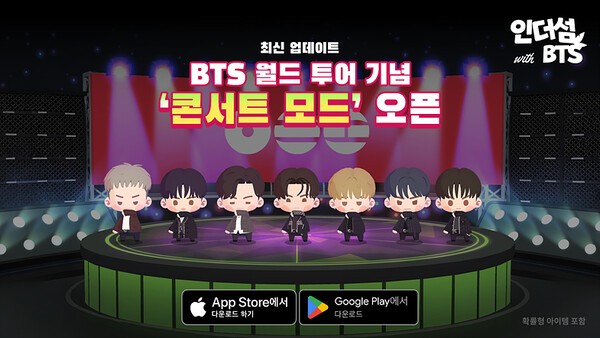
[K-POP] Digital Vacations and Concert Arenas: Why '인더섬 with BTS' is Becoming the Ultimate ARMY Survival Kit

K-POP Real News Scene

Beyond the Screen: Why a Puzzle Game Matters for a Global Tour

The recent announcement of the '인더섬 with BTS' (In the SEOM) update, themed around the members' iconic world tour experiences, has sparked a fresh wave of excitement across the fandom. But why is a mobile puzzle game becoming the center of attention while the group is technically in their military hiatus? The answer lies in how HYBE and the game developers are masterfully bridging the gap between digital interactivity and the real-world nostalgia of concert memories. By integrating tour-specific aesthetics—from stage outfits to iconic set pieces—into the game, the developers are creating a 'virtual souvenir' for fans who are currently missing the live energy of BTS stadium performances.

Decoding the 'In the SEOM' Update: An ARMY Q&A

As fans dive into the latest content, several questions have been popping up on social media timelines and fan forums. Let's break down exactly what this update means for the user experience and why it’s more than just a simple skin swap for our virtual avatars. Whether you are a casual player or a daily grinder, here is the breakdown of the most pressing questions fans are asking today.

Feature AspectPre-Update StatePost-Update State
Visual ConceptStandard Beach/Island LifeTour-Inspired Stage Costumes & Sets
Engagement FocusDaily PuzzlesMilestone-Driven Tour Collectibles
AtmosphereRelaxed TropicalHigh-Octane Concert Energy

Is This Just 'Fan Service' or a New Marketing Blueprint?

Some might argue that this is standard 'fan service,' but when you look closer, it’s a sophisticated blueprint for IP retention. By gamifying the memory of past tours, the game keeps the BTS brand fresh in the minds of global audiences without requiring active participation from the members during their service period. This is a critical industry move. In the past, when a group went on hiatus, engagement would plummet. By using 'In the SEOM' as a digital archive, HYBE effectively creates an evergreen ecosystem where fans can 'visit' their favorite concert moments at their own pace, effectively softening the sting of the 'hiatus' period.

Connecting the Dots: Gameplay and Emotional Architecture

One of the most profound questions fans have is: How does a mobile game manage to capture the emotional weight of a BTS tour? The secret lies in the attention to detail. The developers don't just drop items; they curate moments that mimic the 'vibe' of specific eras. Whether it’s the color palette of a particular tour's lighting or the specific mannerisms coded into the members’ characters, the game allows for a level of personal agency. Fans aren't just playing; they are curating their own 'BTS museums' in their pockets. This emotional architecture is exactly why the game maintains such high retention; it isn't just about clearing stages—it’s about preserving a cultural legacy in a bite-sized format.

What’s Next for the 'In the SEOM' Universe?

Looking ahead, the logical question is: Will this influence the way future tours are promoted? It is highly likely that this digital/physical cross-pollination will become the new industry standard. Expect to see more integration where concert goers receive in-game assets via QR codes or exclusive rewards tied to physical ticket purchases. By creating a feedback loop between the stadium experience and the mobile experience, the label ensures that the BTS brand remains omnipresent, regardless of whether there is a new album drop or a scheduled concert date. The 'In the SEOM' update is not just a patch; it’s a signal that the metaverse of K-Pop is becoming more refined, more nostalgic, and increasingly essential for long-term fan loyalty.


Source Article: Read the original Korean news here

#BTS #InTheSEOM #인더섬 #ARMY #KPopGaming #BTSUpdate #HYBE #KPopMetaverse #BTSWorldTour #FandomCulture

[K-POP] From SM Town Pop-Ups to Lotte World's 'DIP': How NCT is Mastering the Art of Physical World-Building

K-POP Real News Scene

NCT’s transition into Lotte World’s ‘DIP’ space signals a massive leap from temporary pop-up stores to permanent, high-fidelity immersive storytelling.

The Evolution of the Idol Playground

For years, K-pop agencies have treated physical spaces like glorified gift shops. Remember the SM Town Coex Artium? It was a pilgrimage site for fans, featuring a massive digital screen, merchandise, and a museum-style exhibit that felt like a sanctuary for SM stans. However, the move to partner with Lotte World for the ‘DIP’ (Deep) immersive space marks a radical departure from the 'shop-first' model. Unlike the Coex era, which relied on passive observation, the new Lotte World initiative is built on spatial immersion. By integrating NCT’s complex lore into an amusement park setting, the industry is shifting away from simply selling products to selling lived experiences. This isn't just a place to buy a lightstick; it’s a deliberate attempt to place fans directly inside the narrative geometry of the NCT universe.

Comparing the Eras: From SM Town to Lotte World

To understand the magnitude of this shift, we have to look back at EXO’s earlier ventures into experiential marketing. Years ago, SM experimented with interactive exhibitions that felt like walk-through dioramas—beautiful, but static. Fast forward to today, and the collaboration with Lotte World represents an evolutionary upgrade. While the Coex Artium functioned as a central hub for 'brand awareness,' the Lotte World 'DIP' space is optimized for engagement and fluidity. The difference is the technology: we are moving from static posters and LED screens to augmented reality and high-definition projections that react to fan presence. It effectively turns the group’s lore into a theme park attraction, mirroring the high-stakes entertainment value of global IP powerhouses like Disney or Universal Studios.

Why NCT is the Perfect Subject for Spatial Narrative

NCT, by design, is a group that thrives on transmedia storytelling. Their concept—a group with an unlimited number of members and distinct units (127, Dream, WayV, Wish)—has always required a degree of 'world-building' that other groups don't necessarily need. Because their narrative is so fragmented and vast, a permanent immersive space is the only way to synthesize that data for the fans. By anchoring the NCT world to a physical location like Lotte World, SM is solving the ‘accessibility problem.’ Fans no longer need to piece together music videos and cryptic social media hints to understand the lore; they can step into a curated physical environment that makes the abstract concepts of Neo Culture Technology tangible.

The Economic Strategy of 'Location-Based Entertainment'

There is a clever economic logic at play here. In the age of digital streaming, merchandise alone isn't enough to keep fans invested. The industry has realized that physical infrastructure creates a higher barrier for churn. When you visit a space as monumental as Lotte World to interact with your favorite group’s world, the emotional ROI (return on investment) for the fan is exponentially higher than watching a YouTube upload. This move is a direct rebuttal to the 'spatial crisis' we’ve seen in other parts of the industry, where pop-up events often feel cramped or superficial. By partnering with an existing entertainment giant like Lotte, SM gains infrastructure efficiency while Lotte gains a steady stream of K-pop stans who are ready to engage with the park’s high-tech installations.

Setting the Industry Standard for Future Idols

Is this the new blueprint for K-pop group marketing? Absolutely. We are currently seeing a 'war for space' in the K-pop industry, where labels are desperately trying to find ways to make their groups feel 'real' in a post-pandemic world. While other agencies are struggling with the logistical nightmares of pop-up events and temporary lease agreements, SM’s pivot toward strategic partnerships with large-scale amusement venues looks like a masterstroke. We should expect to see more groups following suit, moving away from temporary pop-up stores in malls and toward permanent immersive residency programs in major tourist landmarks. It is the natural progression of the 'idol-fan' dynamic: less consumption, more immersion.

What This Means for the Future of Fandom

Ultimately, the ‘DIP’ space at Lotte World changes the fan experience from being a consumer to being a participant. For the NCTzen, this isn't just about buying an album; it’s about inhabiting the world that the members themselves helped build. As we look at the next few years, the line between amusement park, museum, and fan-club hub will continue to blur. If this collaboration succeeds, it won't just be a win for NCT; it will redefine how agencies think about the geography of fandom. We are witnessing the birth of the 'permanent immersive K-pop experience,' and it’s a game-changer for the entire industry.


Source Article: Read the original Korean news here

#NCT #SMEntertainment #LotteWorld #KpopTrends #NCTzen #ImmersiveExperience #KpopNews #SeoulTravel #NeoCultureTechnology #IdolEconomy

[K-POP] September's K-Pop 'War Room': How Fans are Navigating the Most Overcrowded Month in Idol History

K-POP Real News Scene

A September to Remember: Why Fans are Calling This the 'End-of-Year' Sprint

September has officially become the most intense battleground in the K-Pop calendar, with the recent influx of high-profile comebacks turning the industry into a virtual year-end award show stage. From BOYNEXTDOOR’s energetic return to LE SSERAFIM’s chart-topping maneuvers, the sheer volume of releases is leaving the global fandom in a state of 'collective whiplash.' Unlike the typical seasonal lulls of the past, this September feels different—it feels like a strategic high-stakes game where every agency is vying for the final quarter's momentum before the massive end-of-year ceremonies begin.

For the average fan, this isn't just about music; it’s about endurance. The community is feeling the pressure of balancing streaming goals, voting cycles, and social media engagement for multiple groups simultaneously. While the industry sees this as a competitive landscape, fans are viewing it as a cultural marathon. The atmosphere online is electric, filled with a mix of excitement, anxiety, and deep pride as fandoms coordinate to ensure their favorites stand out in a crowd that feels more congested than ever.

Key Milestones: September’s Competitive Landscape

  • The 'End-of-Year' Shift: Agencies are front-loading releases to secure relevance before the December award season.
  • Genre Diversification: Fans are noting that the month features everything from high-concept pop anthems to experimental R&B-infused tracks.
  • Performance Intensity: The focus has shifted toward high-quality, 'award-worthy' choreography, making the digital comeback experience feel like a permanent concert tour.
  • Fan Coordination: Global fanbases are optimizing 'streaming parties' to handle the overlapping release schedules without losing chart traction.

The Emotional Pulse: What Fans are Saying

If you scroll through any major K-Pop forum or social media community today, you’ll find a recurring theme: 'The September Overload.' Fan reactions are split between pure euphoria and a lighthearted sense of exhaustion. In the Korean digital landscape, netizens are comparing the sheer density of the lineup to the 'Great K-Pop Boom' of the early 2020s. Comments are flooded with sentiments like, 'How am I supposed to sleep when my playlist is updated every single hour?' or 'The visuals this month are actually hurting my productivity.'

Globally, the mood is equally intense. International fans are organizing digital streaming hubs to keep up with the demands, recognizing that the current competition level means that small margins in streaming counts make a massive difference. There is an emotional weight to these releases; fans feel a deep sense of responsibility to represent their group well. They aren't just consumers—they are stakeholders in their group’s success, and they are acutely aware that a September comeback is the ultimate test of fandom loyalty and organizational strength.

Beyond the Charts: Building a Legacy

What makes this September truly unique is the focus on 'identity-building' among the groups involved. Rather than just dropping singles, groups like BOYNEXTDOOR are leaning into narratives that define their growth, while others are leaning into their established visual brandings. Fans are hyper-aware of this, frequently engaging in deep-dive analysis of concept photos and lore videos to decode what these comebacks represent for the group's long-term trajectory. It’s no longer about just 'getting a win' on a music show; it’s about solidifying a position in the history books of the fourth and fifth generations.

Ultimately, the reason this matters to the fanbase is simple: it marks a turning point in how K-Pop manages its own industry cycle. Fans are witnessing a shift where 'the comeback' is becoming a constant state of existence rather than a seasonal occurrence. As they embrace the chaos, they are finding new ways to connect with each other, sharing strategies, creating fan-art, and celebrating the massive influx of content. It’s a shared experience that unites the global fan community, creating a sense of camaraderie in the face of what can only be described as a beautiful, high-octane mess of talent and ambition.


Source Article: Read the original Korean news here

#KPopNews #SeptemberComebacks #BOYNEXTDOOR #LE_SSERAFIM #KPopTrends #FandomCulture #KPopAnalysis #IdolLife #MusicIndustry #KPopFans

[K-POP] The 'Heavenly' Aura: Decoding Changbin's Viral Red Carpet Moments and Stray Kids' Style Evolution

K-POP Real News Scene

Why is Changbin suddenly being called an 'angel' in the media?

When we talk about Stray Kids, the conversation often centers on their explosive stage presence or the 3RACHA production genius. However, recent media coverage—specifically the viral 'descended from heaven' narrative—captures a different side of the group's visual strategy. This isn't just about a good photo; it represents a deliberate shift in how Changbin is being framed by publicists and journalists. Unlike the aggressive, high-energy imagery typically associated with their 'noise music' genre, this angelic motif suggests a pivot toward a more ethereal, high-fashion editorial standard. By labeling him as something 'from heaven,' the media is tapping into the STAY desire to see their idols as larger-than-life, almost mythological figures, elevating him from a mere rapper to a visual icon.

The 'angelic' branding of a powerhouse performer like Changbin signals a strategic evolution in K-Pop marketing: moving away from genre-bound rigid personas toward flexible, high-fashion duality that keeps fans constantly surprised.

Does this shift signal a change in the Stray Kids concept?

Some fans might wonder if this soft aesthetic hints at a broader musical change. It is important to remember that K-Pop visual branding often acts as a counterweight to the music. While Stray Kids continue to dominate with their heavy, bass-driven tracks, their fashion and press appearances often experiment with contrasting themes. This 'heavenly' angle acts as a sophisticated foil to their intense performance style. It allows Changbin to showcase his range—showing that a man who can deliver the most intense bars in the industry can also embody a clean, minimalist, and refined aesthetic. This brand duality is precisely why they remain at the top; they are never just one thing, they are a multifaceted experience.

How do press photo events shape the public narrative of an idol?

In the digital age, a single press photo can define a week of social media discourse. In the K-Pop industry, 'Photo Time' at press conferences or red carpet events is a high-stakes battlefield. Photographers use specific angles and lighting to create narratives, and when a headline like 'he came from the sky' is attached, it creates an immediate anchor for how the public perceives that idol's personality. For Changbin, this is a masterful pivot from the 'tough guy' persona he sometimes carries. It invites a new demographic of fans—those who appreciate visual storytelling and high-end styling—to engage with his personal brand. It’s an industry masterclass in subverting expectations.

Is the 'angelic' aesthetic here to stay for the next comeback?

Looking ahead, we can expect this visual fluidity to become a staple of Stray Kids' promotional strategy. As the group prepares for future international ventures and major award seasons, the ability to transition seamlessly between 'hard-hitting' and 'celestial' is essential for luxury brand partnerships. We've seen similar shifts in other global icons, but Changbin brings a sincerity to the look that prevents it from feeling forced. Whether he is rocking high-fashion silhouettes or casual streetwear, the 'angel' narrative provides a thematic umbrella that connects his off-stage personality with his on-stage intensity. It’s not just about a pretty photo; it’s about crafting a lasting legacy in the fashion-forward world of modern K-Pop.


Source Article: Read the original Korean news here

#StrayKids #Changbin #STAY #KPopStyle #KPopAnalysis #IdolFashion #3RACHA #KPopVisuals #JYPE #KPopTrends

[K-POP] Lisa's Muay Thai Transformation: Decoding the Global Pop Star's New Era Through 5 Burning Questions

From the neon streets of Bangkok to the global stage, Lisa is once again redefining what it means to be an idol in flu...