The Unlikely Bromance That Once Captivated Fans
For years, Hollywood star Ansel Elgort was viewed by the K-POP community—and particularly the ARMY—as one of the most genuine celebrity supporters of BTS. The Baby Driver actor frequently expressed his admiration for the septet, often seen interacting with members like V and RM on social media and at global events. This cross-cultural friendship was celebrated by fans as a symbol of BTS’s growing global influence, effectively bridging the gap between Western cinema and the K-POP powerhouse. Fans loved seeing the genuine camaraderie, making Elgort an honorary member of the BTS fan circle in the eyes of many.
The Turning Point: Why the Kimono Choice Mattered
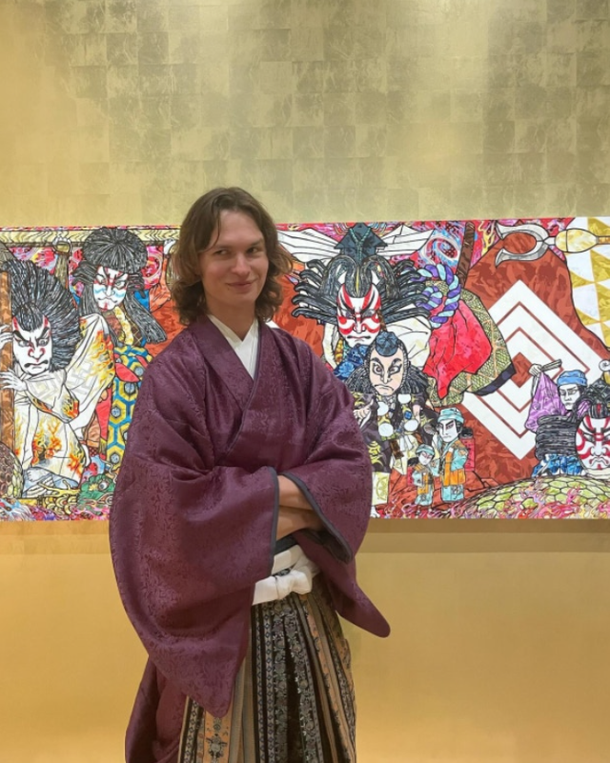
However, the tide shifted dramatically following a recent appearance by the actor. Elgort was spotted wearing a kimono, a traditional Japanese garment, which triggered an immediate and intense reaction from Korean netizens. Given the complex and often painful historical relations between South Korea and Japan, sensitive cultural symbols are treated with extreme caution in Korea. For many Korean fans, seeing a celebrity who had built his brand partly on being a "BTS fan" align himself with such a culturally loaded symbol felt like a jarring betrayal of sensibility. The optics of the situation quickly spiraled, leading to a public outcry that reached far beyond the fashion world.
The Anatomy of the Backlash: Why Korean Fans Are Turning Away
The criticism isn't just about the clothing itself; it’s about the perceived cultural disconnect. Korean fans, who are historically conscious and fiercely protective of their artists' identity, felt that Elgort’s choice demonstrated a lack of understanding—or perhaps a blatant disregard—for the historical nuances that are fundamental to the Korean identity. By wearing the attire, fans argued that he showed he didn’t truly "know" or care about the culture of the artists he claimed to support. The hashtag-driven reaction across platforms like X and Instagram highlights how global fans are increasingly demanding that international celebrities show greater cultural literacy before associating with K-POP icons.
Reflecting on Celebrity Authenticity in the K-POP Era
This incident serves as a significant case study on the nature of parasocial relationships and celebrity endorsements within the music industry. As K-POP continues to dominate the global stage, the expectation for international stars to act as "allies" has never been higher. When a celebrity is seen as a "fan," they are often granted access to the fandom's collective support. However, this support is conditional. It requires a level of accountability and sensitivity that some Western stars are not prepared for. The rapid shift from being a fan-favorite to becoming an object of ridicule proves that the K-POP community is no longer just a passive audience; they are an informed, organized force that monitors the behavior of those who orbit their idols.
Moving Forward: Can the Connection Be Repaired?
So, where does this leave Ansel Elgort in the eyes of his former supporters? For many, the damage seems to be done. The rapid "turning of the back" by the Korean fanbase is a clear message: appreciation for an artist should come with a respectful engagement with their country’s culture and history. Whether or not Elgort issues an explanation remains to be seen, but the event has certainly left a sour taste for many. Moving forward, this serves as a cautionary tale for any Western celebrity looking to leverage the K-POP wave for their own publicity. Genuine support is not just about retweeting a song; it is about respecting the soul of the culture that created it.
Source Article: Read the original Korean news here
#BTS #AnselElgort #KPOP #KoreanEntertainment #ARMY #CulturalSensitivity #Hallyu #KpopNews #Netizens #CelebrityBacklash