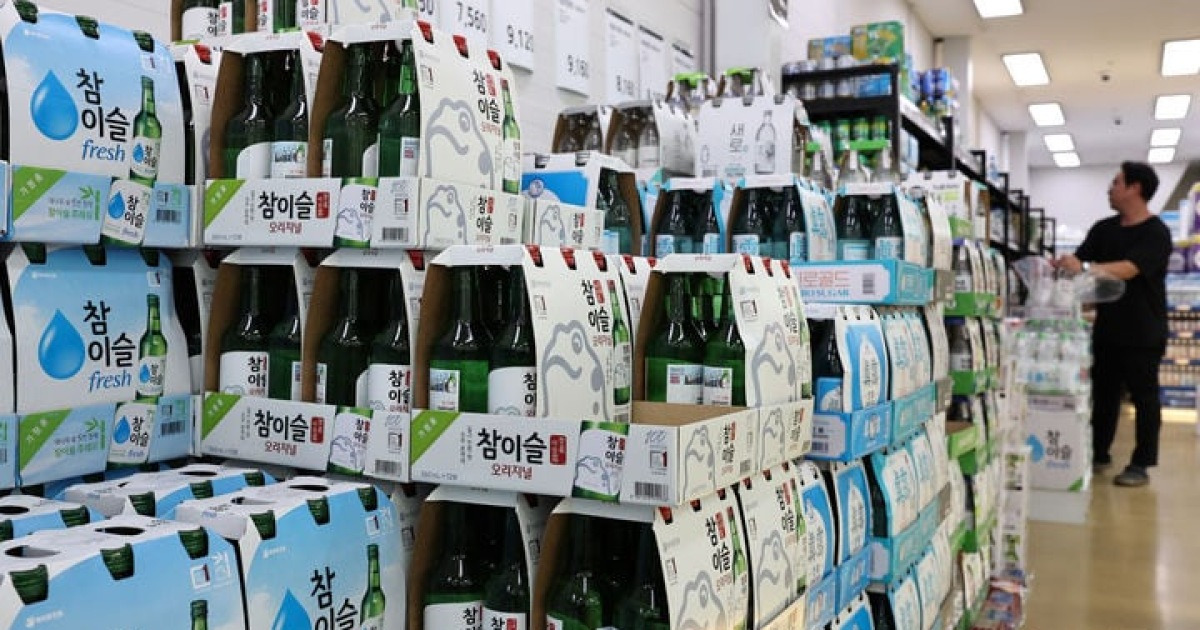
The Hallyu Wave Hits the Bar Scene
It is no secret that BTS has conquered the global music charts, but have you ever wondered if their influence extends to your Friday night cocktail? The answer is a resounding yes! Recent trade data reveals that K-Soju exports to the United States have skyrocketed by an impressive 48.1% over the past three years. This surge isn't just a random market fluctuation; it is a testament to the powerful 'K-lifestyle' ripple effect, where fans are not just consuming the music of idols, but also embracing the food, culture, and social habits they showcase. From fruit-flavored soju to premium distilled spirits, the traditional Korean liquor has transitioned from a niche ethnic grocery item to a mainstream beverage found in high-end bars across America.
The BTS Effect: Drinking Culture as a Lifestyle Trend
When BTS members share a casual vlog while enjoying a bottle of soju, or even when they jokingly discuss their favorite drinking snacks, they are inadvertently acting as ambassadors for Korean culture. This organic promotion has demystified the spirit for millions of Western fans who were previously unfamiliar with the clear, versatile liquor. The recent boom is largely attributed to the cultural familiarity created by the group, which has made Korean nightlife experiences look both trendy and approachable. By humanizing the experience of sharing a drink, the idols have successfully integrated K-Soju into the global social lexicon, transforming it into a staple for K-POP viewing parties and fan gatherings alike.
Flavor Evolution: Making Soju Accessible to Everyone
One of the most critical factors behind this growth is the diversification of the product line. In the past, traditional soju was known for its high alcohol content and sharp bite, which wasn't always palatable to the average Western consumer. However, the introduction of fruit-flavored soju—in varieties like strawberry, grapefruit, and green grape—has changed the game entirely. These sweet, refreshing, and low-ABV options have become the perfect gateway for younger demographics. The industry has clearly listened to the global demand, shifting marketing strategies to emphasize 'fun' and 'flavor' over the traditional, stiff image of the past, creating a perfect synergy between Korean spirits and the vibrant, colorful aesthetic often associated with the K-POP industry.
Industry Impact and Economic Milestones
The economic impact of this trend cannot be overstated. With a 48.1% increase in exports, the South Korean liquor industry is seeing a gold rush of interest from international investors and local distributors. Major retailers in the U.S., such as Costco, Whole Foods, and specialized liquor chains, are now dedicating entire aisles to K-Soju, a feat that would have been unimaginable just a few years ago. This shift signifies a maturation of the 'Korean Wave'—moving from purely digital entertainment consumption to tangible, physical retail success. The industry is now focusing on sustainability and premiumization, aiming to position soju as a sophisticated alternative to vodka or gin in the global spirits hierarchy.
What’s Next for the K-Lifestyle Global Takeover?
Looking ahead, the momentum shows no signs of slowing down. As more people travel to Korea—fueled by their love for artists like BTS and BLACKPINK—the desire to replicate those authentic experiences at home continues to grow. We expect to see more collaborations between K-POP agencies and beverage brands, potentially leading to limited-edition releases or pop-up 'Soju Bars' in major cities like Los Angeles, New York, and London. The bridge between fandom and consumer goods is stronger than ever, and as the global K-Soju boom matures, it will likely solidify Korea's place as a trendsetting powerhouse in the international food and beverage market for decades to come.
Source Article: Read the original Korean news here
#BTS #KSoju #KoreanWave #Hallyu #KPOP #KFood #SojuBoom #KoreanLifestyle #BTSArmy #KoreanCulture