The Digital Echo Chamber: How Harmless Interactions Fuel Unfounded Speculation
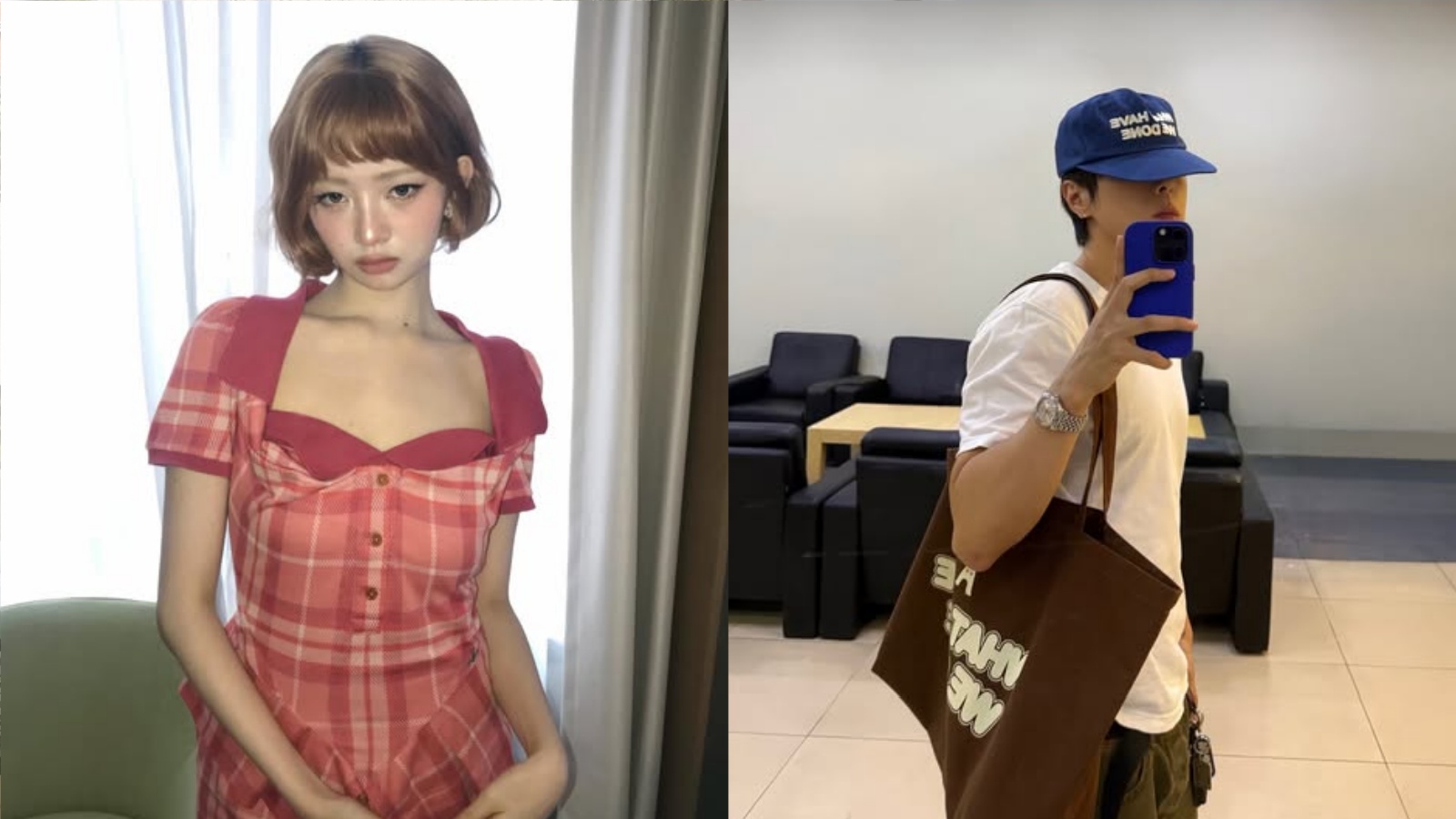
In the high-stakes world of K-pop, where every social media engagement is treated as a potential piece of lore, a recent flurry of headlines surrounding IVE’s Rei and rapper pH-1 highlights a growing tension between artistic expression and digital scrutiny. The narrative, which began with a social media post claiming a romantic connection based on Instagram 'likes,' track sharing, and emoji usage, has reached over 2 million views. However, the industry impact of this 'scandal'—which remains entirely unverified and largely dismissed by the broader public—reveals a troubling trend in how fans and netizens interact with the professional lives of their favorite idols.
Reframing Collaboration: The Professional Cost of Viral Misinterpretations
From an industry strategy perspective, this incident illustrates the shrinking space for artists to maintain healthy professional relationships. When basic interactions, such as liking a colleague's post or sharing a track, are weaponized by online users to construct a 'dating narrative,' it creates a chilling effect on cross-industry collaboration. K-pop is an ecosystem that relies on mutual support and networking; when artists fear that acknowledging their peers will lead to rumors that potentially hurt their brand value or cause backlash, the industry’s collaborative spirit risks stagnation. Fans themselves are beginning to push back, arguing that these performative 'detective games' only serve to isolate idols from their peers.
Protecting Brand Equity: The Shift Toward Narrative Control
For an agency managing a top-tier group like IVE, the uncontrolled spread of these rumors presents a challenge to public perception and brand stability. While the rumors in this case appear to have originated from user-generated content rather than agency missteps, the speed at which such claims spread highlights the necessity for proactive fan culture management. The public backlash against the rumor-spreaders is an encouraging sign that the fandom is maturing. By calling out these 'investigations' as non-sensical, the community is effectively defending the right of artists to exist as professional adults in a creative field, rather than just objects for speculative narratives.
The Evolution of K-Hip-Hop and Idols: Breaking Down Walls
The involvement of pH-1, a veteran artist known for his trajectory from his debut with 'Wavy' to his success on Show Me The Money 777 and his role as a mentor on High School Rapper 4, adds another layer of complexity. His established career and credibility in the Korean hip-hop scene make him a natural peer for artists like Rei, whose creative interests often transcend standard idol boundaries. When the industry forces a wall between these spheres under the guise of preventing 'scandals,' it stunts the artistic growth of younger stars who could benefit from the guidance and collaborative energy of established rappers and producers.
A Call for Digital Maturity in the K-Pop Landscape
Ultimately, the discourse surrounding Rei and pH-1 is less about their personal lives and more about the modern surveillance culture currently permeating K-pop. The consensus among reasonable fans—that they are simply industry colleagues navigating their careers—suggests a pivot in how the community wants to consume news. As these idols continue to grow their global influence, the ability for the fandom to distinguish between professional networking and personal relationships will be vital for maintaining a healthy industry environment. It is time for a culture shift where 'engaging with a colleague's music' is seen for what it actually is: artistic support, not a headline-worthy romantic entanglement.
Source Article: Read the original Korean news here
#IVE #Rei #pH1 #KpopIndustry #FanCulture #NetizenCulture #KoreanHipHop #KpopNews #ArtistCollaborations #DigitalPrivacy