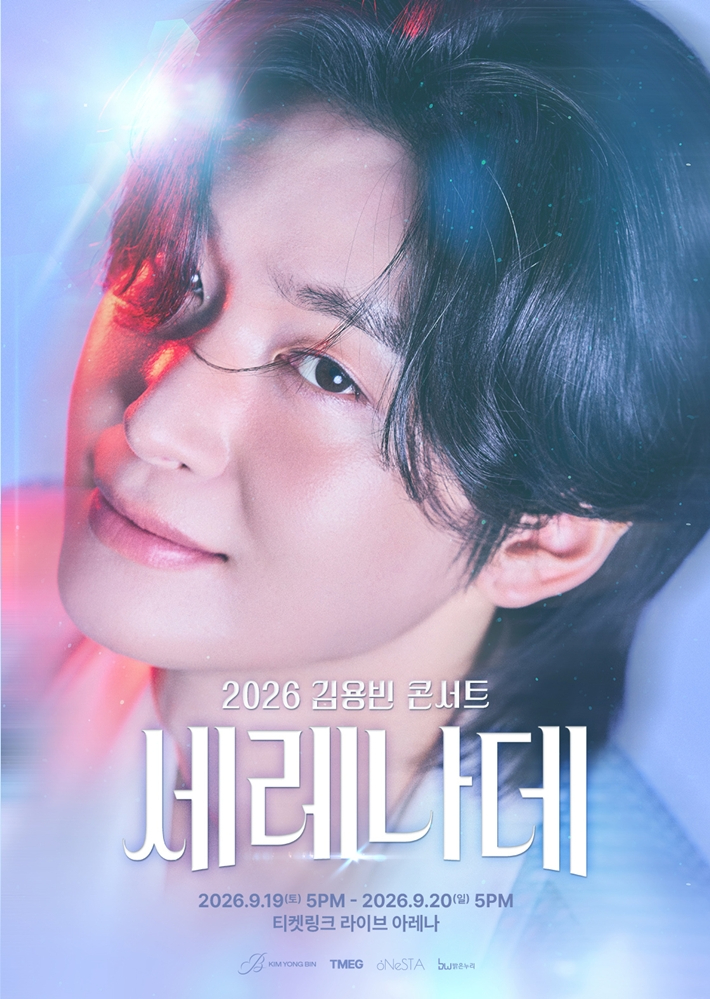
The Ripple Effect of Public Space Tensions
The recent cancellation of singer Kim Yong-bin’s highly anticipated concert at Olympic Park is more than just a logistical headache; it is a symptom of a larger, systemic friction point in the South Korean entertainment landscape. As protest culture intensifies in shared public spaces, artists are increasingly finding their career momentum held hostage by external societal unrest. While fans are rightfully frustrated by the loss of a rare performance opportunity, this incident highlights the precarious nature of the ‘Performance Ecosystem’ in Seoul. When cultural events become unintended collateral damage, it forces us to reconsider how much agency idols actually have over their own professional milestones when faced with the volatile intersection of public discourse and venue management.
Mapping Kim Yong-bin’s Career Trajectory
To understand the weight of this cancellation, we have to look back at Kim Yong-bin’s steady rise within the Trot and ballad scene. Unlike artists who skyrocket to fame overnight through viral digital trends, Kim has spent years meticulously building his reputation through live interactions and localized concert circuits. His career has been defined by a ‘slow and steady’ growth model, relying on the intimacy of concert halls to solidify his fanbase. This specific cancellation isn’t just a blip on his schedule; it is an interruption of a hard-earned momentum that was designed to bridge the gap between his early niche success and a broader, mainstream breakout. Each cancelled date represents lost networking, lost revenue, and, most importantly, a break in the psychological contract between the artist and his local supporters.
A History of Resilient Scheduling
Looking at the broader timeline of K-Pop and Korean popular music, venue instability is a recurring obstacle that separates the veterans from the rookies. We’ve seen stars like BTS or SEVENTEEN navigate massive logistics, often having to pivot to larger stadiums or digital alternatives when initial plans fall through. However, for artists like Kim Yong-bin, who operate within a tier of the industry that doesn't have the luxury of massive, private production budgets to secure alternative multi-million dollar stadium deals, these cancellations feel significantly more permanent. History shows us that these pivot moments are defining; how an artist responds to these crises—whether by rescheduling, moving to digital platforms, or engaging in transparent communication with their fanbase—often dictates their longevity in the industry.
The Infrastructure Crisis: Can K-Pop Scale Without Space?
We are currently witnessing a historic clash between the demand for concert infrastructure and the realities of urban space in South Korea. The Olympic Park region, once considered a sanctuary for large-scale musical expression, is now becoming a battleground for competing societal interests. This forces us to ask: is the current model of K-Pop touring sustainable if we continue to rely on a limited number of high-traffic public venues? The industry has spent the last decade focusing on global expansion and digital reach, but this incident proves that the physical infrastructure is failing to keep pace. For artists like Kim, this means the next phase of their career must involve a more diversified venue strategy—moving away from traditional hubs and perhaps looking into the ‘localized experiential’ model that is currently revolutionizing how independent acts connect with their audiences.
What Comes Next: Turning Hurdles into History
While the immediate news is disappointing, the resilience shown by fandoms during these setbacks is often what cements a legacy. We have seen time and again that when an artist is forced to delay or cancel, the eventual return performance becomes a cultural touchstone—a moment of communal catharsis that draws even more attention than the original event would have. For Kim Yong-bin, the path forward likely involves reclaiming his narrative through a highly publicized comeback concert that acknowledges the struggle while focusing on the future. This isn't just about music; it’s about proving that the artist’s connection with their fans is stronger than the administrative barriers placed in their path. The coming months will be a masterclass in crisis management, and fans should expect a strategic, high-impact pivot as the artist looks to solidify his position in a post-cancellation market.
Source Article: Read the original Korean news here
#KimYongBin #KPopNews #ConcertCrisis #OlympicPark #KPopIndustry #LiveMusicCulture #BTS #KPopTrends #ArtistDevelopment #SeoulConcerts