From Local Cravings to Global Cultural Currency
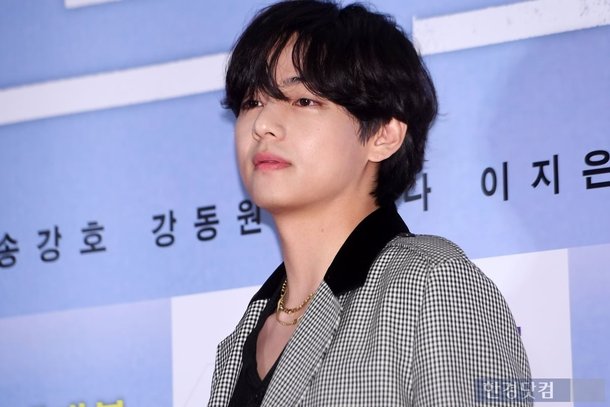
When BTS’s V recently spotlighted a humble Korean fast-food chain, it wasn’t just a simple social media post; it was a masterclass in modern influence. While international media often focuses on the multi-million dollar luxury brand ambassadorships held by idols, there is a far more fascinating trend emerging: the shift toward authentic, grassroots promotion. For a global icon like V, who has graced the cover of every major fashion magazine, choosing to highlight a domestic quick-service restaurant (QSR) brand isn’t about a transactional contract. It represents the power of the 'vouch,' where an idol’s genuine preference becomes a catalyst for brand transformation. This isn't just advertising; it's a cultural reclamation of the 'everyday' meal, signaling that the most influential figures in K-Pop are now defining the new cool through accessible, relatable experiences.
A Tale of Two Eras: BTS Then vs. Now
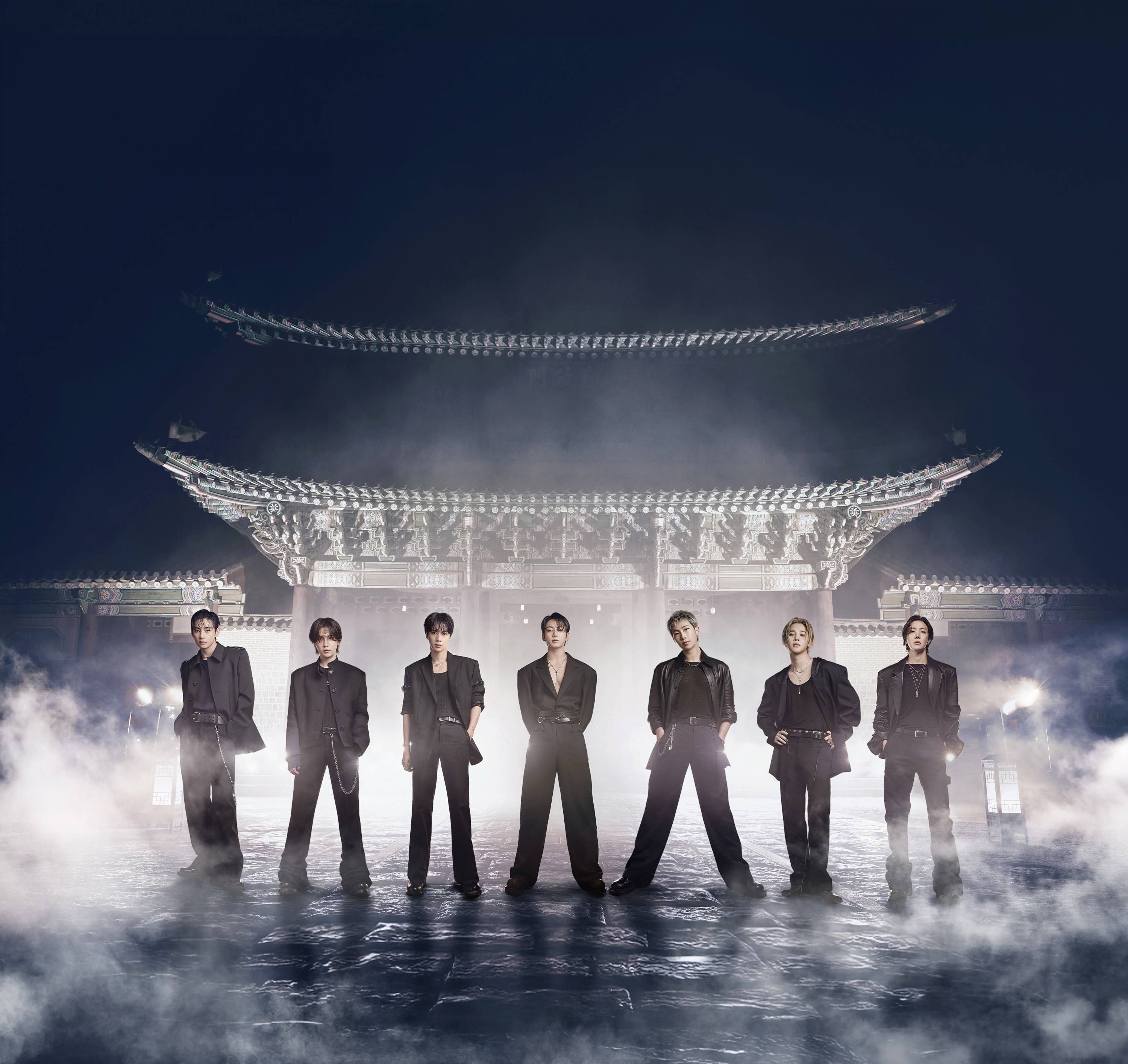
To understand the weight of this moment, we must look back at the early days of BTS’s global expansion. During their initial breakout phase, the focus was primarily on international expansion and breaking into Western music charts. We saw the members carefully navigate global collaborations, often aiming to mirror the marketing strategies of top-tier Western pop stars. Compare that to today: the current 'V-effect' is markedly more confident and rooted in Korean cultural pride. Years ago, the narrative was about 'globalizing' BTS to meet Western standards. Today, the dynamic has flipped. BTS, and specifically V, are now in a position where they can pull global eyes toward niche Korean cultural staples, effectively forcing the international market to play by the rules of the Korean domestic economy. This is a profound shift from being the 'outsiders' trying to fit in, to being the 'trendsetters' defining what the world eats and values.
The Psychology of the 'Co-Sign' in K-Pop
The phenomenon of the 'idol co-sign' has evolved significantly. In the past, industry peers often used their social platforms to promote one another’s music or label-mate ventures. Today, the landscape is dictated by lifestyle alignment. When V, or a high-profile Western rapper who has also caught wind of this trend, aligns themselves with a local Korean fast-food chain, they are essentially curating a 'lifestyle brand.' This differs from the traditional celebrity endorsement, which often feels sterile and detached. Fans are no longer just buying products; they are buying into the lifestyle ecosystem that their idols inhabit. It is the democratization of brand power—where the idol’s personal taste outweighs the reach of a traditional global advertising budget, creating a sustainable and deeply loyal consumer base for brands that previously lacked international recognition.
Quantifying the Shift: Why Domestic Giants Are Taking Notice
This specific pivot in branding strategy is not happening in a vacuum. It is a calculated move by Korean domestic brands to tap into the Fandom Economy. Much like the architectural shift we’ve seen in K-Pop’s move toward stadium-sized capacity and decentralized multi-label systems, this fast-food trend shows that brands are prioritizing viral engagement over conventional exposure. The industry has realized that a single, authentic 'vouch' from a member of BTS provides more return on investment than a billboard in Times Square. The 'decision' mentioned in the industry buzz isn’t just about a brand's menu change; it’s a strategic choice by companies to pivot toward a digitally-native audience that values the 'insider' perspective provided by idols over traditional celebrity-fronted marketing campaigns.
The Road Ahead: Authenticity as the Final Frontier
As we look toward the future, the influence of K-Pop on global market trends will only continue to diversify. We have moved past the era of the 'one-group wonder' and the 'singular hit.' The future of K-Pop brand strategy lies in the ability to bridge the gap between high-fashion aspirational goals and the comfort of local, everyday life. For fans, this is a welcomed evolution. It allows for a deeper connection, where the boundary between the idol’s world and the fan’s reality feels porous and tangible. As BTS members continue to explore individual ventures post-military service, we can expect this trend of 'intentional, culture-focused promotion' to set the gold standard for how celebrities interact with global commerce. It is a transition from being a product of the industry to being the curators of it.
Source Article: Read the original Korean news here
#BTS #V #KimTaehyung #KPopTrends #KoreanBrandPower #IdolMarketing #KPopEconomy #GlobalInfluence #SoftPower #BrandStrategy