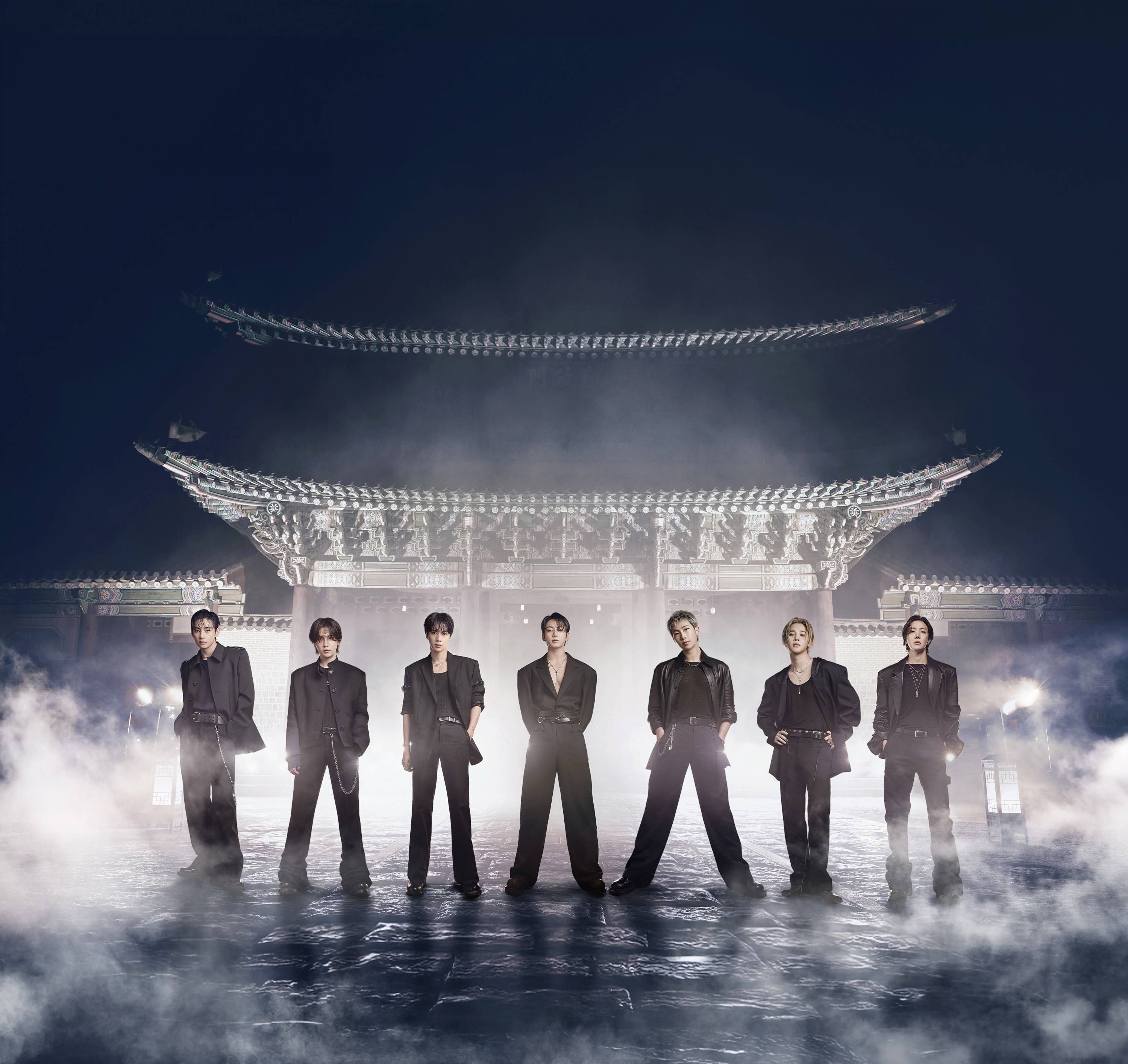
The Economics of Super-Stardom: Scaling Beyond Traditional Touring
When we talk about BTS, the conversation often centers on chart-topping hits or social media milestones. However, the recent revelation that the group generated a staggering 599.8 billion KRW (approximately $450 million) from just 38 shows serves as a masterclass in modern music industry economics. This isn't just about ticket sales; it is a profound testament to the scarcity model of concert promotion. By prioritizing high-capacity stadium venues and creating a 'must-attend' atmosphere, HYBE and BTS successfully transitioned from being just a global act to a monolithic cultural enterprise that functions more like a luxury lifestyle brand than a standard musical group.
Decoding the Revenue Engine: The Shift in Profit Margins
To understand the magnitude of these numbers, one must look at the shift in touring strategy. In the past, K-pop groups focused on high-volume, lower-margin theater or arena tours to build a grassroots foundation. BTS flipped this narrative by focusing on hyper-exclusive, large-scale stadium residencies. This approach maximizes the efficiency of production logistics while simultaneously fueling the demand side of the supply-demand curve. By compressing dozens of shows into a high-intensity period, the group forces a localized spike in consumer expenditure, driving everything from secondary market ticket inflation to massive surges in localized merchandise ecosystem revenue.
| Metric | Early Era (Arena/Small Hall) | Peak Era (Stadium/Residency) |
|---|---|---|
| Logistical Efficiency | Low (Constant travel) | High (Hub-based staging) |
| Brand Valuation | Growth-focused | Asset-backed scarcity |
| Revenue Impact | Merch-dependent | Platform & Ecosystem synergy |
The HYBE Playbook: How BTS Set the Gold Standard
This financial milestone is not an outlier—it is the direct result of a calculated long-term strategy executed by HYBE. By leveraging data analytics, the agency identified specific global hubs where the fan engagement was dense enough to guarantee a sell-out of massive venues. This wasn't just about selling music; it was about geographic optimization. BTS’s ability to draw nearly 600 billion KRW from just 38 dates proves that the K-pop industry has officially outgrown its dependence on album sales alone, pivoting toward a model where the live experience is the primary profit-driver that sustains the entire corporate infrastructure.
Market Trajectory: What This Means for the Next Generation
Looking forward, the success of this tour serves as the north star for all rising groups in the industry. We are seeing a shift where younger 4th and 5th generation groups are attempting to replicate this 'stadium-first' mindset earlier in their careers. However, BTS’s success is built upon a foundation of authentic fan-to-artist connection that cannot be bought or synthesized by marketing alone. This financial legacy sets a high bar for any artist, proving that global domination in the modern era is predicated on the ability to command physical spaces with the same intensity that they command digital timelines.
The Sustainability of the Idol-Economy Model
What remains most impressive is how these numbers impact the valuation of HYBE as a company. When a single artist can pull in such massive revenue figures, it creates a flywheel effect that funds R&D, new technology, and expansion into other sectors like gaming and AI. The 38-show run wasn't just a tour; it was a fiscal proof of concept. It suggests that the future of K-pop isn't just about producing the next catchy hook, but about building a sustainable infrastructure that can withstand shifting market trends. BTS has effectively institutionalized their success, turning individual performances into a predictable revenue stream that redefines industry expectations.
Source Article: Read the original Korean news here
#BTS #KpopEconomics #HYBE #MusicIndustry #TouringRevenue #GlobalSuperstars #KpopBusiness #BTSArmy #StadiaTour #IdolEconomy