From Singular Icons to a Continental Engine
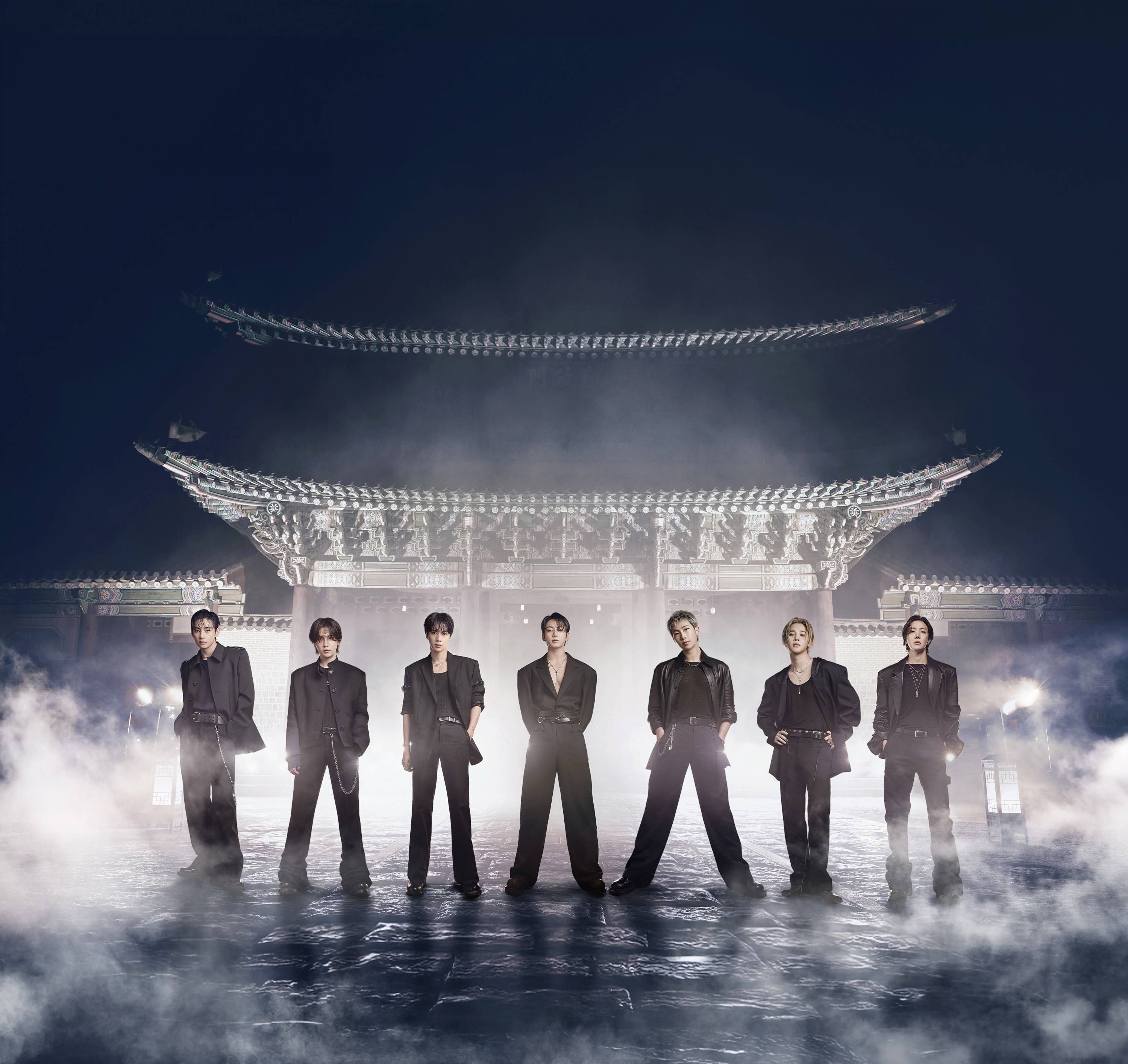
For years, the narrative surrounding the K-pop industry—and specifically HYBE—was defined by the BTS-dependency syndrome. Investors, casual listeners, and even die-hard fans lived in constant fear of the 'hiatus effect,' questioning if the company’s valuation could survive the mandatory military service of its biggest stars. Yet, a recent analysis by INSEAD suggests the script has flipped entirely. With 73% of HYBE’s revenue now streaming in from outside Korea, we aren’t just seeing a temporary rebound; we are seeing the institutionalization of the multi-label system. It’s a structural evolution that proves the company is no longer just a vessel for seven men, but a global music conglomerate that functions independently of any single act’s promotional cycle.
The true metric of K-pop’s global maturation is no longer how high an artist can chart on Billboard, but whether the corporation behind them has successfully decoupled its financial survival from a singular brand identity.
The Comparative Lens: Looking Back at the 'Hallyu 1.0' Dependency
To understand why this milestone is so significant, we have to look back at the SM Entertainment model of the early 2010s. During that era, the industry was often criticized for its 'centralized dependency,' where the failure or enlistment of a key group could effectively freeze a company’s R&D and expansion plans. Think back to the transition periods between the peak of TVXQ and the rise of EXO; there was a palpable sense of internal instability and a heavy reliance on 'legacy acts' to keep the lights on. HYBE’s current trajectory, however, is radically different. They have effectively cloned the K-pop training and production system into a decentralized infrastructure, ensuring that when one label faces a quiet quarter, another is hitting an all-time high in overseas touring revenue.
Diversification as a Defensive Strategy
What sets the current HYBE ecosystem apart from its predecessors is the sheer geographic and stylistic variety it now manages. By fostering independent labels like ADOR, Source Music, and PLEDIS, the company has created an internal competitive ecosystem that prevents stagnation. In the past, companies attempted to create 'sister groups' that were often too similar to their predecessors, cannibalizing their own fanbases. HYBE’s strategy has been to lean into radical differentiation. By allowing artists like NewJeans, LE SSERAFIM, and SEVENTEEN to occupy entirely different sonic and visual spaces, they have captured diverse global markets simultaneously. This isn't just about music; it’s about creating resilient profit channels that operate in different time zones and cultural spheres.
The Global Pipeline: Why 73% is the Magic Number
The statistic regarding 73% of revenue coming from overseas is not just a vanity metric; it represents the total localization of the K-pop value chain. In the late 2000s, K-pop was an export product—you produced in Korea and shipped it to the world. Today, through local collaborations, international digital distribution, and global pop-up experiences, HYBE is operating as a global citizen rather than a foreign entity. We saw this evolution start with BTS’s record-breaking stadium tours, but it has now scaled to the point where the company’s quarterly earnings are largely buffered by international intellectual property (IP) and merchandise sales. The days of being tethered to domestic physical album sales as the primary revenue driver are effectively over.
Future Expectations: The Sustainability of Scale
Looking ahead, the question remains: can this pace be sustained without burning out the talent? While the financial data looks stellar, the real challenge for the next five years will be maintaining the 'human element' of the K-pop experience. As the company grows into a global music behemoth, the danger is becoming too corporate, losing the intimate bond between artist and fan that fueled the initial BTS explosion. However, if HYBE continues to treat each label as a creative incubator rather than a production line, they have a genuine chance to rewrite the manual for how a music company should operate in the streaming age. We are witnessing the shift from 'idols as products' to 'idols as global infrastructure,' and it is arguably the most important trend in the industry today.
Source Article: Read the original Korean news here
#HYBE #KPOPIndustry #BTS #BusinessStrategy #MusicEconomy #KPOPAnalysis #GlobalMusic #EntertainmentNews #SEVENTEEN #NewJeans