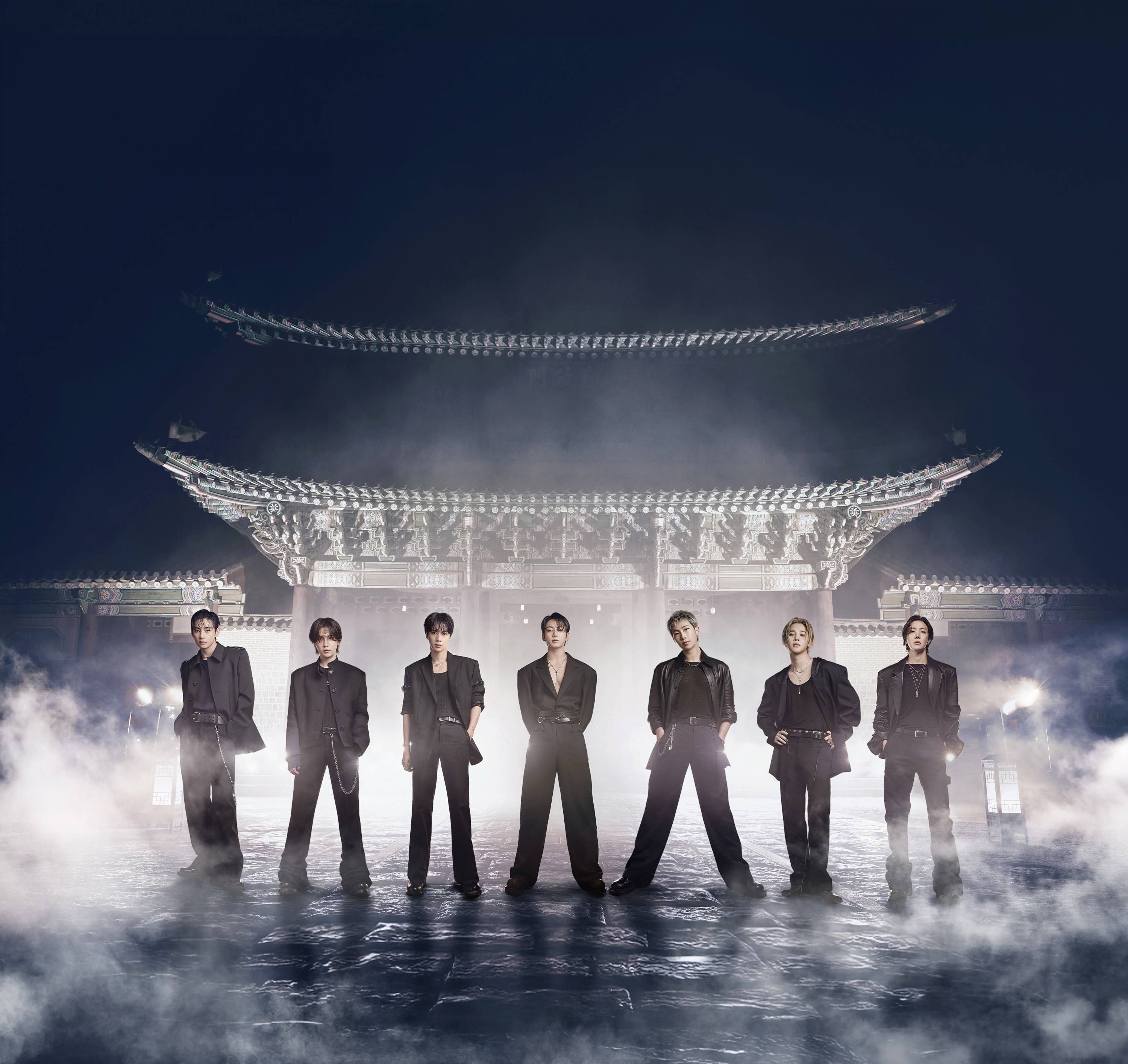
The line between artist promotion and literary renaissance has blurred, proving that a K-Pop star’s impact is no longer measured in seconds of airplay, but in the sustained cultural life of the stories they touch.
The New Anatomy of Cultural Longevity
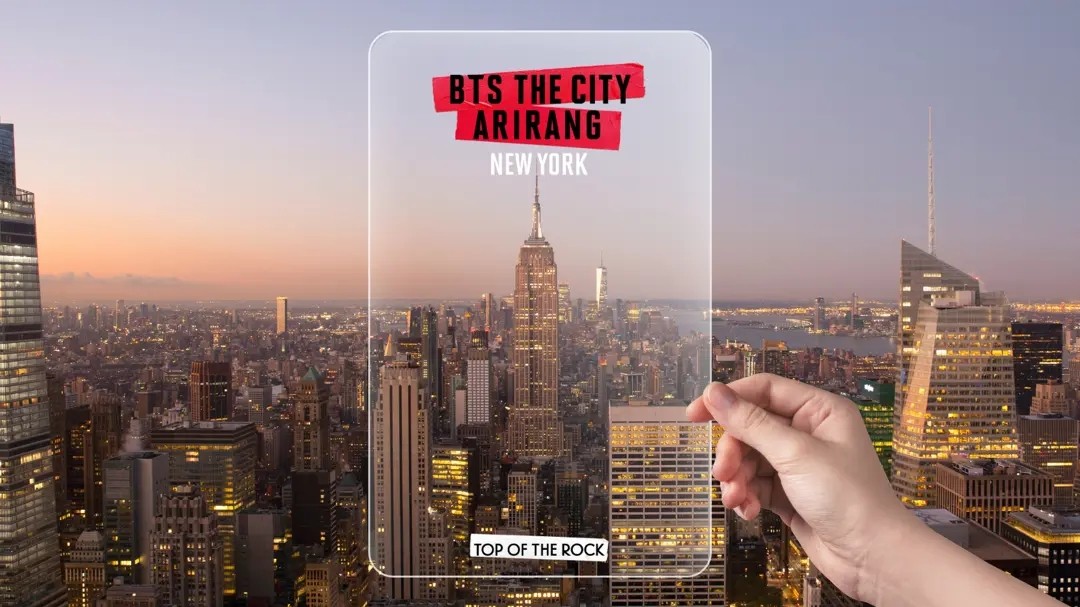
The recent headlines describing New York City as a living stage for BTS and the sudden, explosive resurgence of a two-year-old novel in the charts signal a monumental strategic shift within the entertainment industry. For years, the K-Pop business model focused on the 'comeback cycle'—a relentless loop of high-octane promotions, rapid chart chasing, and fleeting social media dominance. However, what we are witnessing today is a transition toward transmedia storytelling. By weaving existing literature or specific narrative themes into the fabric of a global pop phenomenon, labels are effectively extending the shelf life of their artists’ brand equity. This isn't just about music anymore; it is about establishing a cultural presence that survives even when the artist isn't actively dropping a new track.
The Economics of 'Intellectual Property' Synergy
Why does a two-year-old novel suddenly find itself on the bestseller lists simply because of a brush with K-Pop royalty? The answer lies in the high-intent consumption patterns of fandoms like ARMY. In today's saturated market, the standard promotional push is often filtered out as noise. Conversely, when an artist influences the ecosystem by highlighting literature or immersive experiences, it creates a halo effect around those products. Agencies are beginning to realize that the highest form of brand value isn't just selling a lightstick or a photocard—it’s about controlling the 'discovery' funnel. When BTS or any major K-Pop act endorses a narrative or transforms a space into a 'city-wide stage,' they aren't just performing; they are building a comprehensive lifestyle ecosystem that rewards fans for deep-diving into secondary cultural assets.
Shift from Passive Consumption to Active Participation
The industry is moving away from the old paradigm of 'discovery and experience' as a passive act. Fans are no longer just listeners; they are cultural curators. By creating environments where entire cities or digital spheres become canvases for artistic expression, labels are tapping into a participatory economy. This mirrors the trajectory of high-fashion and tech giants, where the product is no longer the item itself, but the community context surrounding it. By integrating literature and immersive spatial design, artists are signaling that they are no longer just pop stars—they are anchors for intellectual and aesthetic curiosity. This strategy insulates the artist from the volatility of music chart performance by anchoring their relevance in deeper, more stable pillars of culture.
The ROI of Brand Supremacy
If we analyze this from a business standpoint, this pivot to 'narrative-led marketing' is a masterstroke in diversified revenue streams. Managing a K-Pop group’s trajectory is notoriously difficult because of the intensity of the idol lifecycle. By expanding the brand footprint into literature, urban planning, and experiential art, agencies increase the barrier to entry for competitors. It becomes nearly impossible for a new group to replicate the level of influence BTS holds when that influence is baked into the very culture of their fans' intellectual lives. The result is a compounding interest on the artist's brand; every time a novel they touch resurfaces, their own 'intellectual credibility' increases, reinforcing their status as global cultural leaders rather than just musical entertainers.
Predicting the 2026 Production Cycle
As we look toward the 2026 production cycle, we should expect this 'narrative expansion' to become the industry standard. Agencies will likely seek deeper partnerships with publishers, tech companies, and urban developers to create end-to-end user experiences that start with a book and end with a city-wide takeover. This is the new K-Pop blueprint: stop chasing the fleeting viral moment and start building an evergreen cultural infrastructure. For the fans, this means a more rewarding and intellectual experience; for the labels, it means a more robust and sustainable business model that survives the test of time and market trends. The era of the 'pop star' is evolving into the era of the 'cultural architect.'
Source Article: Read the original Korean news here
#BTS #KPOPBusiness #CulturalImpact #MusicStrategy #Transmedia #ARMY #KPOPIndustry #BrandEvolution #MarketingTrends #MusicEconomics