The Anatomy of an Urban Takeover: Then vs. Now
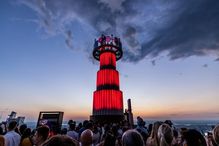
For years, the K-pop industry operated on a simple binary: the concert hall and the fan merchandise booth. But with the recent wrapping of 'BTS THE CITY: Arirang' in New York, we are witnessing a complete dismantling of that old model. While past tours—like the 2018 'Love Yourself' world tour—relied on the raw energy of the stadium performance to sustain buzz, this new iteration proves that BTS is no longer just selling tickets; they are selling an entire atmosphere. This shift represents a transition from 'fan service' as an afterthought to 'urban integration' as a core product. Where once a fan had to travel to a single venue to feel the pulse of the group, now the entire city of New York becomes an immersive, living extension of the BTS brand.
Defining the 'City' Project: A Historical Context
To understand the magnitude of this achievement, we have to look back at the origins of the 'THE CITY' project. It first gained serious traction during the 'Permission to Dance' dates in Las Vegas. At that time, it was an experimental blueprint: a way to keep fans engaged during the downtime between soundcheck and the main stage. Fast forward to the New York 'Arirang' activation, and the sophistication has increased ten-fold. It’s no longer just about cafes and photo ops; it’s about creating a curated narrative that permeates the city’s infrastructure. The comparison is stark: while previous events felt like a series of scattered pop-ups, the New York activation felt like an intentional cultural immersion.
- Las Vegas 'THE CITY' (2022): Introduced the 'integrated fan experience' model, linking hotels, dining, and performances.
- Seoul/Busan 'THE CITY' (2022-2023): Refined the logistical synergy between municipal governments and HYBE.
- New York 'BTS THE CITY: Arirang' (2024): Mastered the 'Urban Brand Ecosystem,' turning iconic landmarks into storytelling devices.
Why New York Marks a Strategic Pivot
What makes the New York moment different from the Las Vegas precursor isn't just the sheer number of activations—it’s the intentionality of the branding. In Vegas, the goal was to keep fans within a controlled 'BTS bubble.' In New York, the strategy felt more sophisticated, targeting the intersection of pop culture and high-end lifestyle branding. This is the 'BTSnomics' multiplier in action: by weaving their identity into the fabric of a city as globally recognized as New York, they move beyond the 'idol' label and solidify their status as a global lifestyle entity. The 'Arirang' initiative didn't just cater to fans; it demanded the attention of the average pedestrian, creating a broader cultural footprint that standard concerts simply cannot touch.
The Legacy of Logistics and Fandom Participation
We’ve seen other groups attempt city-wide takeovers, yet many struggle to maintain the delicate balance between exclusivity and accessibility. Some peer groups focus heavily on mass-market saturation, which can sometimes cheapen the experience. BTS, however, treats these urban activations like a finely tuned instrument. They manage the logistics of thousands of moving parts—from merchandise inventory to public safety and interactive digital touchpoints—without losing the intimate connection to the ARMY. This is the evolution of the concert experience: the performance itself is now the anchor for a week-long celebration that turns a mundane city trip into a pilgrimage.
Looking Ahead: Is This the Future of Global Stardom?
As we analyze the success of the recent NYC event, one has to wonder: what comes next for the 'THE CITY' franchise? We are likely entering an era where touring is no longer the primary focus, but rather the infrastructure of fandom. The expectation for future K-pop acts will inevitably rise to meet this new benchmark. It is no longer enough to just have a sold-out stadium; fans now expect a cohesive, city-wide narrative that rewards their travel and effort. BTS has effectively redefined the ROI of a world tour, proving that in the digital age, a brand is most powerful when it becomes inescapable in the physical world.
Final Thoughts: Beyond the Hype
Ultimately, the 'Arirang' success is a testament to the fact that the group’s influence is moving toward a more institutionalized form of stardom. They have transformed the concept of an 'event' into an asset, a repeatable and scalable model that bridges the gap between music, tourism, and lifestyle marketing. While the music remains the heart of the experience, the 'City' projects ensure that the pulse of the group beats in every street, coffee shop, and digital display, making it a masterclass in modern brand management that competitors will be studying for years to come.
Source Article: Read the original Korean news here
#BTS #BTSTheCity #ARMY #KpopStrategy #BTSArirang #NewYorkBTS #HypeGlobal #KpopIndustry #BTSLegacy #UrbanKpop
