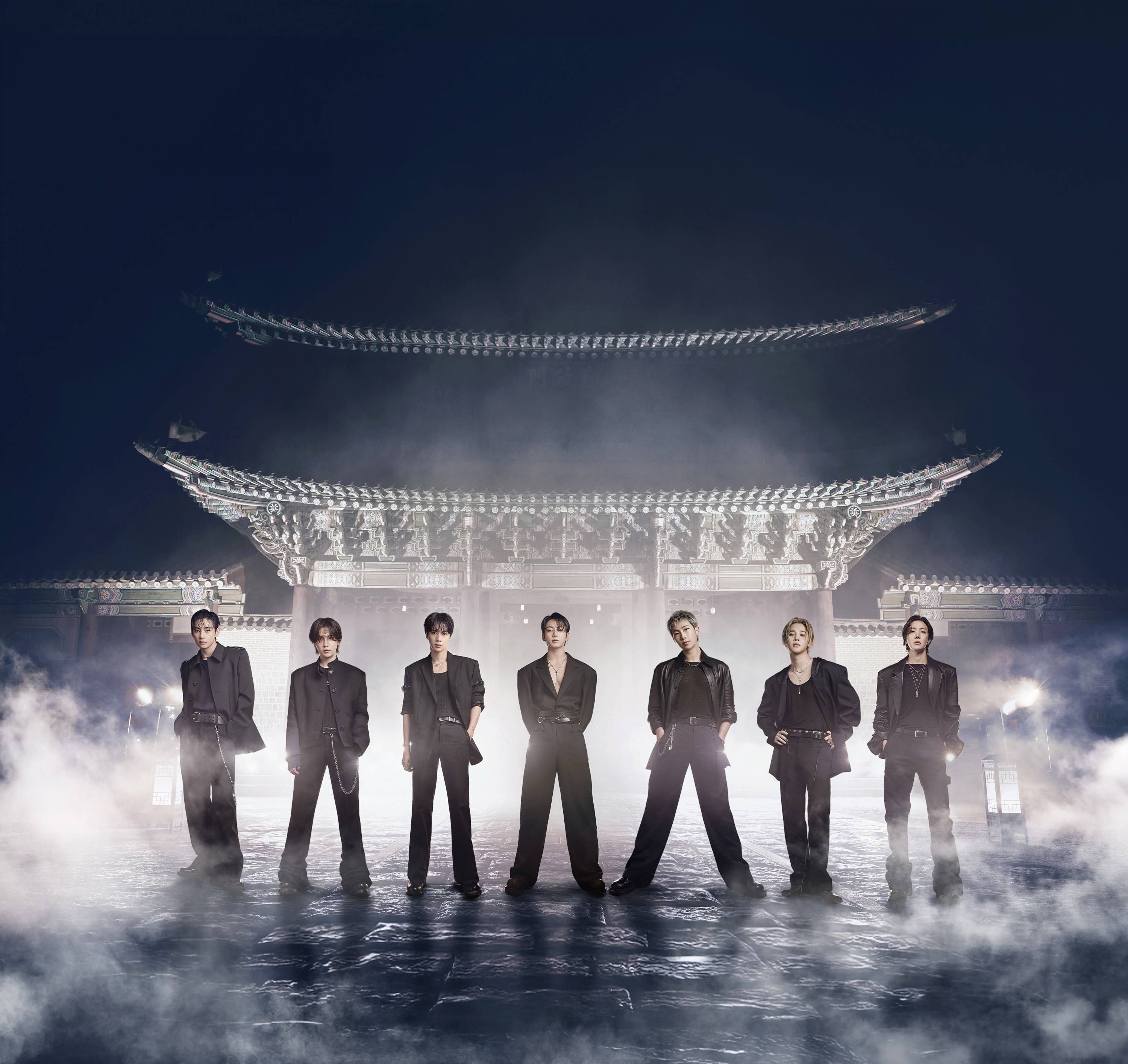
Beyond the Hype: Quantifying the Scale of Fan-Centric Financial Exploitation
The recent revelation that over 1,400 victims fell prey to a fraudulent eSIM investment scheme linked to the 'BTS' brand is more than just a local crime story—it is a quantitative warning for the global K-pop economy. When we analyze the sheer volume of this fraud—1,400 individual victims in a single localized incident—we see a stark shift in how bad actors are weaponizing fan loyalty. Historically, financial scams within fandoms were limited to scalped tickets or fake merchandise. However, this specific incident signals a pivot toward 'niche financial instruments' that leverage the perceived exclusivity of K-pop star power to bypass traditional skepticism. By promising high returns linked to global roaming data services branded for BTS tours, perpetrators successfully bypassed the typical filters fans use to identify scams, turning brand association into a lethal financial trap.
The Correlation Between Hype and Vulnerability
To understand why this scam reached such a high number of victims, we must look at the conversion rate of trust. K-pop fans are statistically among the most engaged consumer groups in the world, with loyalty metrics that outperform traditional sports fanbases. For instance, top-tier groups like BTS have helped drive multi-billion dollar surges in everything from cosmetics to airline stocks. Scammers are now using the same 'big data' strategies as legitimate marketers to identify fan clusters. The 'BTS Special' branding wasn't just a gimmick; it was a targeted campaign designed to exploit the FOMO (Fear Of Missing Out) culture that defines modern K-pop consumption. When an opportunity is framed as an 'exclusive' or 'limited-edition' financial stake in a tour, the emotional urgency often overrides the logical due diligence that would otherwise flag these projects as high-risk.
Data-Driven Vigilance: Protecting Your Digital Wallet
If we look at the financial impact of this incident, it underscores the need for a more rigorous analytical framework when fans encounter 'exclusive' investment opportunities. In the world of K-pop, official partnerships are rarely, if ever, announced through third-party investment apps or obscure telegram-style solicitation channels. The numbers don't lie: when an investment promises guaranteed, high-percentage returns tied to a celebrity's tour schedule, it almost always fails to correlate with the actual market reality of how such tours operate. Legitimate celebrity sponsorships typically follow a predictable path: press releases from established agencies like HYBE, official store links, and verified social media channels. Anything that deviates from these standardized channels—especially those requiring private deposits—must be treated with extreme suspicion.
Market Shifts and the Future of Idol-Linked Investment
The ripple effect of this case will likely force a stricter regulatory look at how intellectual property is used to lure retail investors. We have seen this before in other sectors; when a brand becomes synonymous with a movement, it inevitably attracts malicious actors who want to monetize that brand's equity. Moving forward, it is crucial for fans to treat 'idol-related investments' with the same skepticism they would apply to any high-stakes venture capital project. By cross-referencing claims against official company filings and verified streaming and sales data, fans can better protect their personal finances. The transition from being a simple supporter to an inadvertent investor requires a shift in mindset: remember that no fan loyalty campaign is worth risking your financial stability, no matter how shiny the 'official' label might appear.
Reframing the Narrative: From Fandom to Financial Literacy
Ultimately, the surge in these scams serves as a harsh lesson in the digital age. As the K-pop industry continues to break records in chart rankings, ticket revenue, and global streaming influence, the financial stakes for fans have never been higher. We must foster a culture where we discuss the economics of our favorite groups with the same passion we use to discuss their choreography and music production. Being a 'superfan' today doesn't just mean streaming 24/7 or voting in award shows; it means becoming an informed consumer who understands the mechanics of brand protection. By demanding transparency from the platforms that host these advertisements, and by staying vigilant against those who would exploit our devotion, we can ensure that our passion for music remains a source of joy rather than a gateway to exploitation.
Source Article: Read the original Korean news here
#BTS #KpopEconomics #FanSafety #ScamAlert #KpopIndustry #FinancialLiteracy #HYBE #DigitalSecurity #FandomCulture #KpopNews