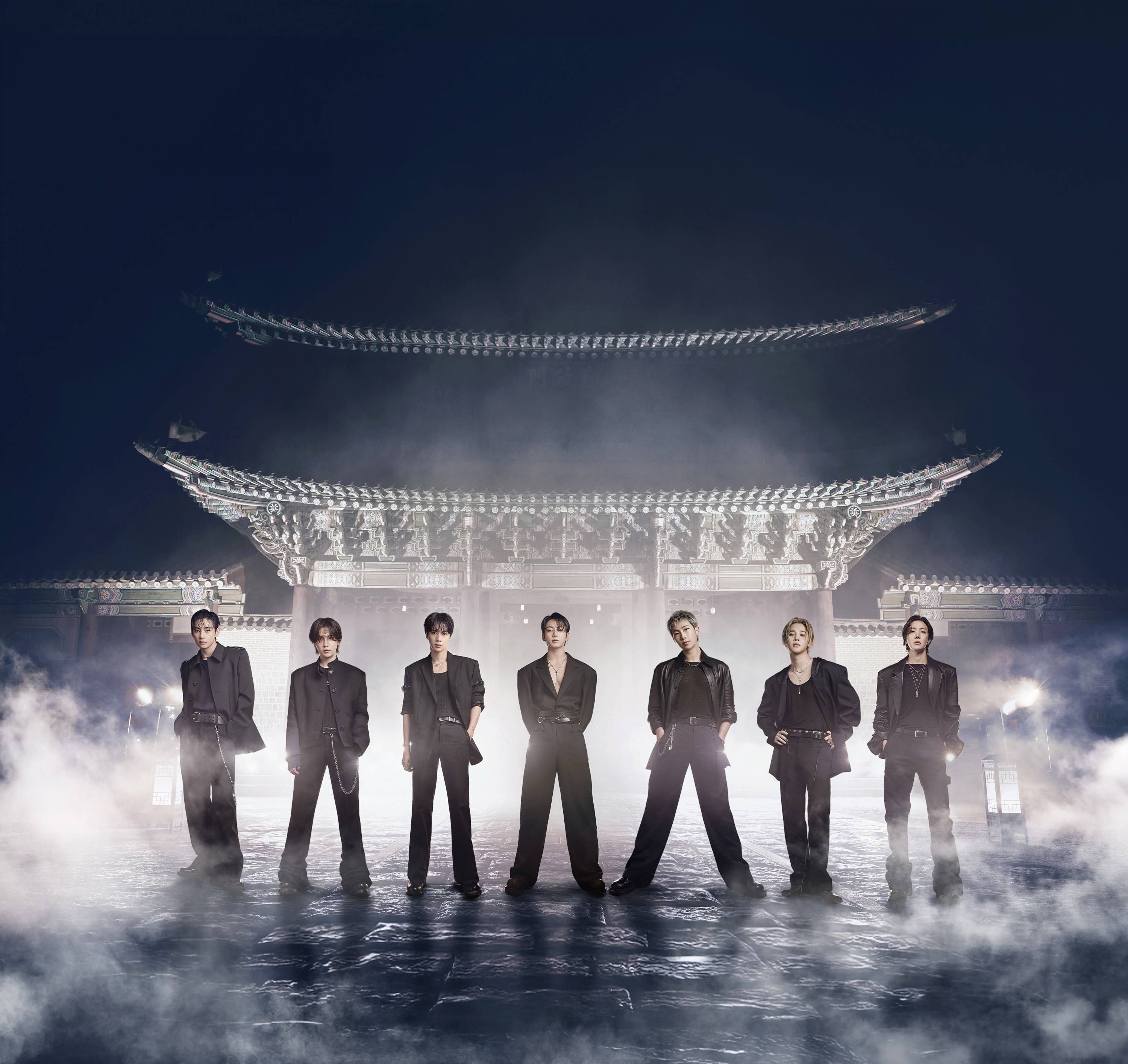
Decoding the Latest Digital Threat Targeting Global ARMY
The K-Pop industry is a marvel of modern marketing, but as fans, we are increasingly finding ourselves on the front lines of digital security. A recent, alarming report has emerged from South Korea detailing an eSIM investment scam that weaponized the BTS brand to defraud over 1,400 victims. For fans, it can be difficult to distinguish between legitimate fan-engagement projects and malicious actors hiding behind the familiar faces of their favorite idols. To help you navigate this complex landscape, I’ve broken down the burning questions every fan is likely asking right now.
- The Scam: Perpetrators promised high returns on investments related to BTS-branded eSIM products.
- Scale: Over 1,400 victims have been identified so far, highlighting the massive reach of these coordinated groups.
- Tactic: Using emotional attachment to BTS to bypass standard financial due diligence.
- The Reality: No official BTS-backed financial or investment products exist in this capacity, making these schemes inherently fraudulent.
Q1: Why are scammers using K-Pop idols to make their schemes look legitimate?
Scammers understand one fundamental truth: parasocial relationships are incredibly powerful. When an investment opportunity is tied to an idol, a fan’s natural skepticism is replaced by a sense of loyalty, excitement, and urgency. By associating a scam with a globally recognized entity like BTS, criminals add a veneer of prestige and 'insider access' that makes a victim feel like they are part of an exclusive movement. It’s a calculated manipulation of the community-first mindset that makes K-Pop fandoms so vibrant, turning a core strength of the community into a major security vulnerability.
Q2: What is an 'eSIM' and why was it chosen as the lure for this scam?
An eSIM (embedded SIM) is a digital SIM card that allows users to activate a cellular plan without needing a physical card. It’s a trendy, tech-forward product that sounds very 'modern,' especially in the context of international travel—something BTS fans do often to follow concert tours. Scammers chose this because it sounds technically plausible yet obscure enough that most people don't fully understand the business model behind it. By promising 'exclusive network access' or 'K-pop connectivity packages,' the scammers preyed on fans' desires to stay connected with global fan events, masking a Ponzi-style financial trap as a must-have tech accessory.
Q3: Is it possible for fans to distinguish between real collaborations and scams?
Yes, but it requires a 'zero-trust' approach. Official collaborations involving BTS—like those with Samsung, McDonald’s, or luxury fashion houses—are always announced through HYBE’s official channels (Weverse, official social media, or company press releases). If an offer pops up via an obscure messaging app, a random social media ad, or a high-pressure 'limited time' Telegram group, it is a massive red flag. Always check the official verified accounts. If the offer requires you to send money directly to an individual or an unverified corporate bank account, walk away immediately. Real deals don’t ask for 'private investments' via third-party platforms.
Q4: How does this change the way we interact with fan-driven projects?
This event serves as a sobering reminder that we must protect our community from within. While fan-organized slogans, billboards, and birthday projects are the heartbeat of the culture, they should never involve high-stakes financial investment or profit-sharing. From now on, whenever you see a project requesting funds, ask: Is this for community support, or is this being sold as a product? If it’s being sold as a product, it must have clear legal documentation and be backed by an established, verifiable entity. We love our idols, but we must be the guardians of our own wallets and digital safety, ensuring that no one is allowed to exploit the devotion that makes our fandom so special.
Source Article: Read the original Korean news here
#BTS #KpopSecurity #CyberSafety #ARMY #KpopNews #DigitalFraud #FanSafety #HYBE #TechScams #KpopCommunity