As the lines between cultural influence and political discourse blur, K-Pop fans are finding themselves at the epicenter of a new, intense digital debate regarding the intersection of identity and public policy.
The Digital Echo Chamber: When Politics Meets Fandom
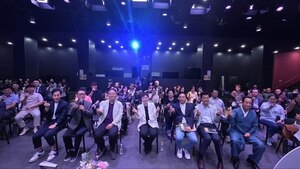
The recent news surrounding Democratic Party Representative Lee Un-ju’s book concert for 'There is No Free Order' (Gongjjajilseoneun Eopda) has ignited a surprisingly fiery debate across Korean online communities. While at a surface level, a political figure hosting a book launch might seem like standard legislative news, for the K-Pop and youth-oriented digital spaces, this event has served as a litmus test for political literacy among fans. Unlike traditional celebrity fan gatherings, the discourse here has shifted toward how political figures engage with the media-savvy generation that drives K-Pop trends. Online forums are buzzing with debates that range from the nuances of the book’s economic thesis to the strategic choice of a high-energy, concert-style promotional event to appeal to younger voters.
Decoding the Fan Sentiment: Beyond the Surface
If you scroll through the major Korean web portals and discussion boards today, you won’t just see dry political commentary; you’ll see the same kind of passionate analysis usually reserved for an idol’s comeback. Fans and young voters are dissecting the imagery, the branding of the event, and even the optics of a politician adopting the 'book concert' format—a style pioneered by cultural figures. The general mood is divided: some praise the accessibility, viewing it as a bridge between stiff legislative policy and youth culture, while others are skeptical, questioning if this 'idol-style' marketing is an attempt to co-opt the aesthetics of fandom culture for political gain. This sentiment reflects a deeper anxiety among the youth about the commodification of influence, where the line between a genuine political movement and a polished PR performance is increasingly difficult to distinguish.
The ‘Free Order’ Debate: A New Lens on Economic Anxiety
At the core of the controversy—and why it matters so much to the fanbase—is the central thesis of Lee’s book. Representative Lee has long been a voice in the discourse regarding economic fairness and the societal structure in Korea. For the generation that grew up amidst the hyper-competitive environment of the K-Pop industry—where success is framed as a meritocratic result of intense labor—the title 'There is No Free Order' resonates on a visceral level. The fan community’s reaction has been largely fueled by this tension. Young netizens are asking: if the 'order' of our society is indeed shifting, how much of that burden falls on the individual versus the system? By positioning her book in a space that draws the attention of those accustomed to high-stakes industry dynamics, Lee has inadvertently invited a demographic that is arguably the most sensitive to issues of equity and reward.
Why This Matters for the Future of Engagement
This isn't just about a book launch; it’s about the evolution of how influential figures communicate with the public. Historically, politicians in Korea maintained a formal, distance-heavy decorum. However, the success of this event signals a paradigm shift. We are seeing a blurring of the lines where politicians are beginning to realize that the strategies used to build, maintain, and engage a fandom—transparency, direct communication, and emotional resonance—are becoming the gold standard for public influence. Fans are now hyper-aware of this, and they are acting as the new 'critics' of this political-cultural crossover, using their experience from navigating complex fandom hierarchies to vet the authenticity of these political overtures.
The Emotional Stakes of the Fanbase
For global fans looking in, this might seem like a local political footnote, but it actually represents the growing maturation of the Korean digital consciousness. The emotional investment that fans feel toward their favorite artists is now being channeled into how they view societal leadership. There is a sense of protectiveness over the 'space' of pop culture. When a political event adopts the trappings of a fan concert, the digital community feels a sense of intrusion, yet also an odd sense of validation. It confirms that the K-Pop model—once dismissed as 'just entertainment'—is now the primary blueprint for how one gains attention and builds a narrative in the modern digital age. This, perhaps more than the book itself, is the real story here: the undeniable hegemony of the fandom model in Korean social life.
Source Article: Read the original Korean news here
#KPolitics #LeeUnJu #KNetizens #FandomCulture #KoreanSociety #NoFreeLunch #DigitalDiscourse #YouthEngagement #KPopInfluence #SocialTrend
