Beyond the Stage: The Strategic Shift Toward Hyper-Local Engagement
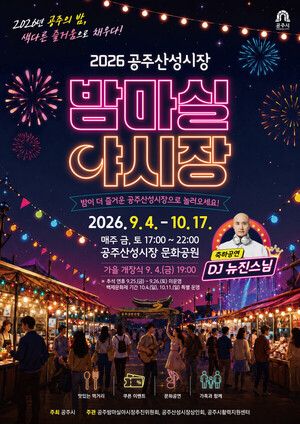
While the global K-pop machine often focuses on digital dominance and overseas stadium tours, a subtle, highly strategic shift is occurring within the industry’s domestic operations: the reclamation of local community hubs. The recent buzz surrounding events like the ‘Night Market’ initiatives in regional centers—traditionally viewed as peripheral to the glitzy districts of Seoul—signifies a move toward hyper-localization. Agencies are no longer just looking to sell albums to the masses; they are investing in the 'experience economy' by aligning artist branding with regional tourism and cultural preservation. By embedding the K-pop narrative into the infrastructure of smaller markets, the industry is creating a sustainable cycle of domestic brand loyalty that acts as a buffer against the volatility of international trends.
Redefining Brand Value through Community Integration
When we analyze the brand value of modern idols, we often look at social media impressions or luxury brand ambassadorships. However, the true strength of an artist's trajectory is increasingly measured by their ability to transcend the screen and function as an economic catalyst for their home country. By participating in regional festivals and local commerce revivals, idols are effectively 'de-commodifying' themselves. This strategy allows the agency to pivot from being mere content providers to becoming integral parts of the regional social fabric. This approach builds a deep, generational support base that keeps the artist’s popularity rooted in high-trust environments, ensuring that even during periods without major chart-topping releases, the group’s influence remains stable and grounded.
The Economic Blueprint: Why 'Local-First' is the Future
This strategy is not merely a charitable endeavor; it is a calculated business maneuver designed to diversify revenue streams. The integration of local market revitalization with idol engagement provides a blueprint for what many analysts call 'K-Pop 3.0.' In this era, the physical presence of an artist in a niche market creates a high-conversion environment for merchandise and local tourism. By shifting the focus from digital, faceless engagement to tangible, community-based interactions, agencies are shielding themselves from the 'burnout' associated with the non-stop global cycle. It is a brilliant play that allows artists to nurture a positive, long-term image that resonates with the public at a granular level, setting the stage for more authentic fan-idol relationships that are less reliant on fleeting viral trends.
Analyzing the Trajectory: Sustaining Longevity Beyond the Chart
For a group to achieve true 'legendary' status, they must achieve balance. The obsession with chart performance and streaming records is often a race to the bottom, marked by diminishing returns and intense pressure. However, the pivot toward regional events shows a maturation in agency management styles. By embracing the cultural identity of Korea’s regions, artists can cultivate a 'prestige' status that is harder to replicate for groups exclusively focused on global digital metrics. This signals a long-term vision where an idol's worth is defined by their cultural footprint rather than just the number of views on a music video. Ultimately, this 'local-first' strategy provides a resilient foundation that allows for greater artistic freedom and career longevity, as the group becomes a permanent fixture in the nation's cultural consciousness.
Source Article: Read the original Korean news here
#KpopIndustry #BrandStrategy #KoreanTourism #IdolMarketing #EconomicGrowth #CulturalDiplomacy #KpopEconomics #ArtistManagement #DomesticMarket #FutureOfKpop