The Shift from Stage Presence to Grassroots Presence
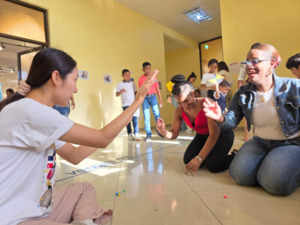
When we talk about K-pop’s global footprint, the conversation usually centers on sold-out stadium tours, record-breaking music video views, or chart-topping Billboard entries. However, the recent initiative by the Global Development Institute (GDI) to host a cultural exchange with 232 residents in the Dominican Republic marks a tectonic shift in how Korean influence is projected abroad. Unlike the high-octane, polished intensity of a comeback performance, this event prioritized human-centric connection. It isn't just about fans waving lightsticks; it’s about a two-way street of cultural appreciation. This transition from 'K-pop as a product' to 'K-pop as a community anchor' is the new frontier for agencies and organizations looking to deepen their international soft power.
The true metric of K-pop’s globalization is no longer found in ticket sales, but in the sustainable, grassroots dialogues formed when idols step out of the spotlight and into the lives of local communities.
A Comparative Look: The NGO Model vs. The 'Fan-Service' Tour
To understand the significance of this event, we have to look back at previous attempts by the industry to 'engage' with global audiences. In the past, companies like SM Entertainment or HYBE have often utilized local showcases—essentially condensed concerts designed to market existing IP. We saw this with early K-pop expansions into South America, where the goal was commercial penetration. The GDI’s recent event, however, operates on a completely different philosophy. By partnering with local residents for a culture and arts sharing session, they aren’t just selling a dream; they are engaging in cultural diplomacy. This mirrors the trajectory of groups like BTS, whose UNICEF 'Love Myself' campaign moved beyond mere charity to become an identity-defining project for the fandom. Unlike the standard 'fan meeting' which creates a hierarchy of performer and audience, the Dominican event functioned on a horizontal plane, fostering genuine human connection.
Decoding the 'Artistic Empathy' Framework
Why is this specific approach working? It’s because the modern K-pop consumer—and the global public at large—has become hyper-aware of performative gestures. The Dominican initiative succeeded because it focused on mutual exchange rather than a one-way broadcast. When artists or organizations bring K-culture to a region like the Dominican Republic, the most sustainable approach isn't just teaching a dance challenge; it’s learning about the local artistic heritage in return. This reciprocity is what prevents the 'cultural imperialism' trap that many western media analysts criticize. By embedding themselves in the local community of 232 residents, the organizers transformed what could have been a fleeting PR event into a cultural bridge-building moment that feels organic and lasting.
The Long-Term ROI of Cultural Soft Power
Looking toward the future, we should expect to see more of this 'NGO-style' engagement from the K-pop industry. Agencies are realizing that building a fan base is not just about the number of streams—it’s about becoming a cultural fixture in foreign markets. When an organization like the GDI fosters these interactions, they are essentially 'de-risking' the K-pop brand, making it synonymous with community development rather than just escapism. This is a brilliant long-term strategy. By the time a major group eventually performs in these regions, the groundwork of trust, mutual respect, and shared artistic values will have already been laid by these smaller, more intimate cultural exchanges.
What This Means for the Next Generation of Idols
This new paradigm forces us to rethink what it means to be a 'Global Idol.' In the future, the ability to facilitate a workshop, lead a cultural dialogue, or engage in social responsibility might become just as critical as vocal stability or dance precision. We are seeing a professionalization of soft power. The idols and organizations that succeed in the next five years will be those that can successfully pivot between the explosive energy of a concert stage and the quiet, impactful work of community-level cultural exchange. The success in the Dominican Republic is a blueprint: K-pop is no longer just exported—it’s now being co-created on a global stage, one community at a time.
Source Article: Read the original Korean news here
#KPOP #GlobalDiplomacy #Kulture #DominicanRepublic #SoftPower #HallyuWave #CulturalExchange #CommunityBuilding #BTS #IdolIndustry