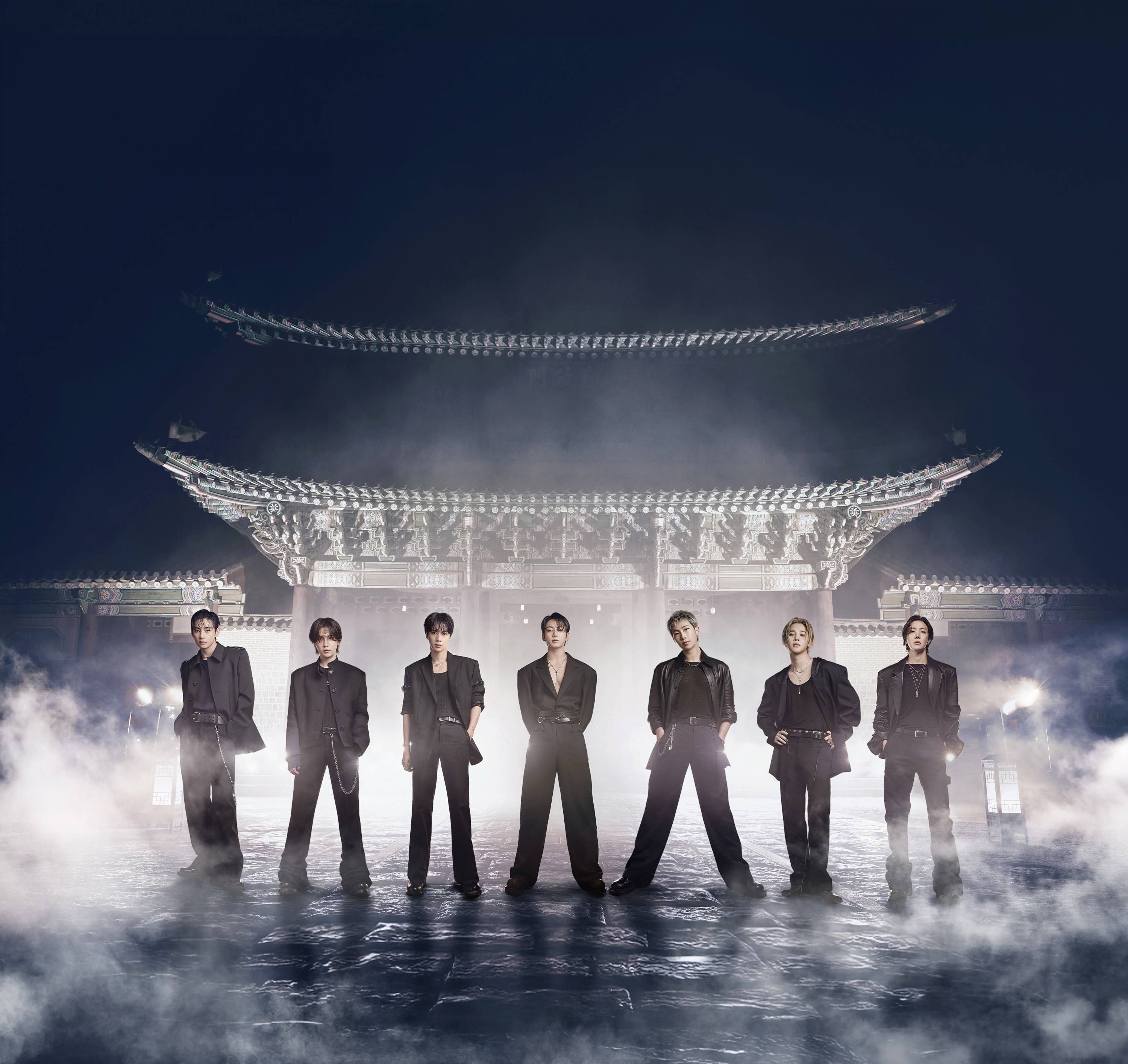
Why Is HYBE Betting So Big on the 'Multi-Label' Structure?
If you have been following the evolution of K-pop, you have likely noticed that the industry is no longer just about centralizing talent under one roof. Bang Si-hyuk’s strategy with HYBE represents a massive shift in corporate philosophy. Instead of acting as a monolith, HYBE operates as a decentralized ecosystem where each label—like ADOR, Source Music, or PLEDIS—functions with its own creative autonomy. The core philosophy here is scalability through specialization. By allowing different artistic teams to operate independently, HYBE avoids the 'homogenized sound' trap that often plagues entertainment giants. This ensures that a group under one sub-label doesn't cannibalize the audience of another; instead, they capture niche markets that eventually fold into a broader, global HYBE fanbase. It is essentially the Silicon Valley tech model applied to music: iterate fast, fail safely, and scale what works.
Is 'Localization' Just a Marketing Buzzword, or the Future of Pop?
Many global fans ask: why go through the trouble of creating local-native groups like KATSEYE or various Japanese projects rather than just exporting K-pop acts? The answer lies in breaking the 'language barrier ceiling.' While BTS paved the way by proving that language doesn't prevent chart-topping success, HYBE’s current strategy focuses on cultural integration. By training talent from various regions using the rigorous K-pop training system but grounding them in local cultural contexts, they are effectively creating a bridge. They aren't just selling Korean music; they are exporting a production methodology. This allows them to tap into local sentiment and pride, making the music feel 'homegrown' even when it’s backed by a massive international infrastructure. This is how they transition from being a 'Korean entertainment agency' to a global music powerhouse.
The genius of HYBE’s current trajectory isn't just in the hits they produce, but in the infrastructure they’ve built: a self-sustaining system that treats music as a scalable commodity while keeping the 'idol experience' hyper-personalized for every fan segment.
How Does This Shift Impact the Average Fan Experience?
For the average listener, this evolution means an endless supply of high-quality content that feels distinct, yet carries the HYBE signature of quality. You might be a fan of the experimental, genre-bending sounds of NewJeans, but also find yourself drawn to the high-octane performance artistry of SEVENTEEN. Because these groups operate under different labels, their creative identities remain distinct, preventing the 'cookie-cutter' fatigue that often sets in with long-term fans. Furthermore, the globalization strategy means that international fans are no longer 'outsiders' looking at a Korean product; they are increasingly becoming the target demographic for localized content. This creates a much deeper, more sustainable sense of belonging for international communities who see their own cultures reflected in the idol landscape.
What Are the Risks and Rewards of This Aggressive Expansion?
With great expansion comes immense pressure. The biggest challenge for HYBE is maintaining brand consistency across such a sprawling map of labels. How do you keep the 'HYBE magic' alive when the company is managing dozens of groups across different continents? The risk is oversaturation—the fear that the market might eventually get tired of the sheer volume of content. However, the reward is an unparalleled level of market resilience. By diversifying their 'roster of stars' across different regional markets, they are effectively hedging against local economic downturns or shifts in domestic trends. Even if one market cools down, another is likely peaking. This is the blueprint for longevity that many other agencies are now struggling to replicate, proving that Bang Si-hyuk’s vision is less about winning a single year’s charts and more about owning the next decade of music consumption.
Source Article: Read the original Korean news here
#HYBE #BangSiHyuk #KpopIndustry #GlobalMusic #BTS #MultiLabel #KpopNews #MusicBusiness #EntertainmentStrategy #FutureOfKpop