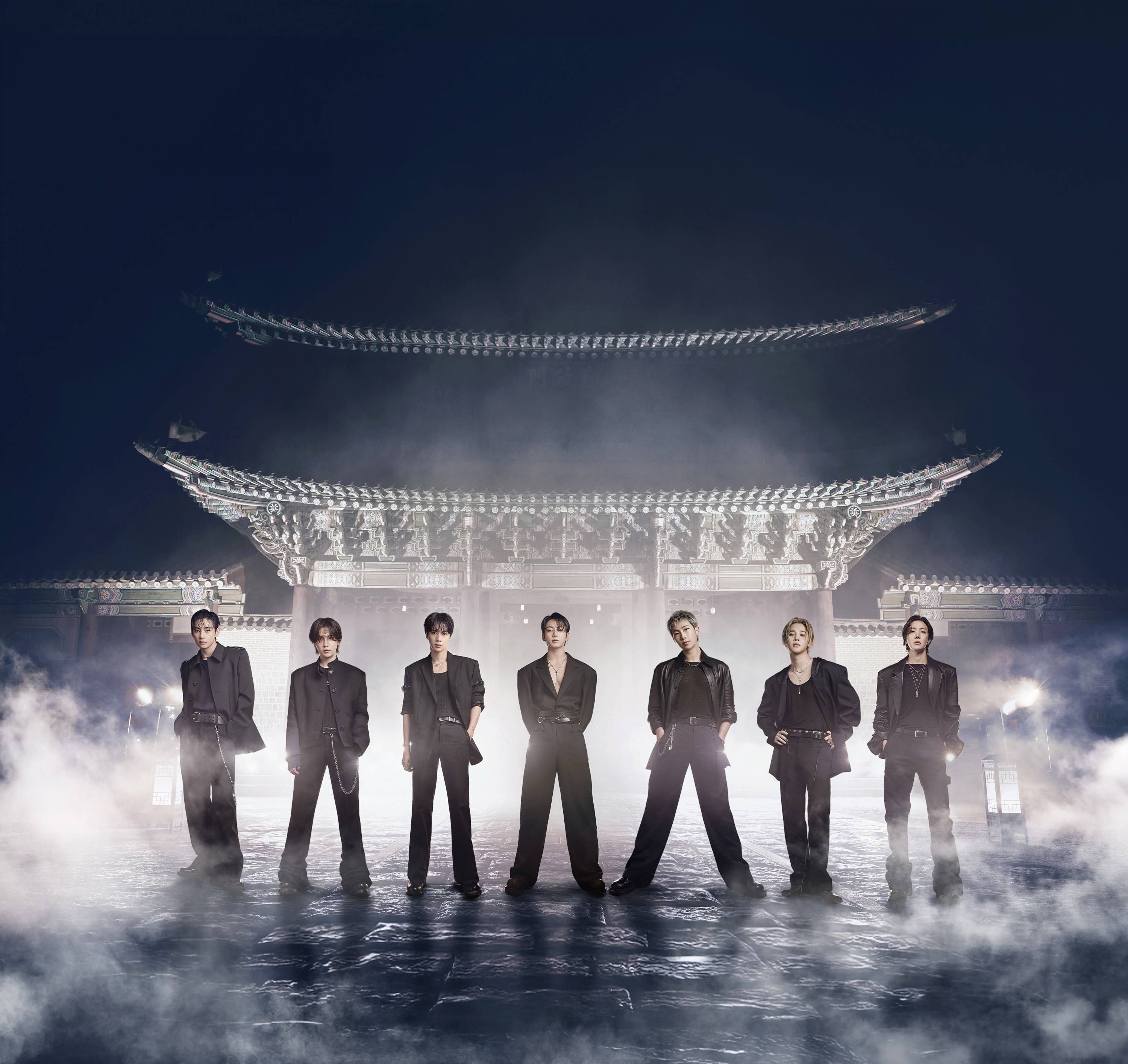
As K-Pop transitions from a localized phenomenon to a central pillar of the global music industry, the long-standing 'glass ceiling' isn't just a metaphor—it is a measurable barrier that labels and artists are now dismantling through high-stakes structural shifts.
The Invisible Barrier: Why Global Gatekeeping is No Longer Working
For years, the 'glass ceiling' in the global music industry acted as an invisible gatekeeper, limiting how much market share K-Pop could claim despite massive fan mobilization. While many focus on the surface-level success of billboard-topping hits, the reality is that major international music institutions and radio conglomerates have historically maintained a 'soft cap' on non-Western artists. This wasn't just about xenophobia; it was a strategic containment of a genre that was rapidly cannibalizing traditional pop revenue models. However, as the Korean wave has matured, we are witnessing a pivot where this ceiling is finally cracking, not through pure luck, but through a calculated, systematic reconstruction of brand equity that makes it mathematically impossible for traditional gatekeepers to ignore K-Pop’s footprint.
The Multi-Label Pivot: Decentralization as a Global Scalability Tool
One of the most profound industry shifts is the move toward a multi-label system, most notably championed by conglomerates like HYBE, but increasingly adopted by peers like SM, JYP, and CJ ENM. This strategy isn't just about managing more artists; it's a structural hedge against market saturation. By separating creative identity from the parent company's administrative baggage, agencies can nurture diverse portfolios that satisfy different demographics—from the hyper-pop aesthetic to the more mature, singer-songwriter focused niches. This decentralized infrastructure allows K-Pop to bypass traditional Western media gatekeepers by creating self-sustaining micro-ecosystems that generate more data, engagement, and direct revenue than traditional legacy labels are capable of handling today.
Quantitative Revolution: Data-Driven Dominance vs. Legacy Metrics
Historically, the glass ceiling was reinforced by archaic metrics like terrestrial radio play and regional legacy award show biases. K-Pop artists have effectively fought back by prioritizing quantitative performance—focusing on streaming, high-volume physical distribution, and digital fan-led conversion rates. This creates a data-led narrative where an artist's brand value is defined by the depth of their fandom’s loyalty rather than the breadth of casual, passive listeners. When we look at the trajectory of groups like BTS or the tactical expansion of newer acts, it’s clear that they are rewriting the rules: they are turning fandom-driven engagement into a measurable economic weapon that legacy industries are now forced to court rather than control.
The Strategic Branding Play: From 'Niche' to Essential
A major part of breaking the glass ceiling involves shedding the 'niche' label that international media outlets often impose. Agencies are now executing a high-end branding strategy where idols are increasingly positioned as luxury house ambassadors and lifestyle icons, effectively blending the music industry with the fashion and tech sectors. This strategy serves a dual purpose: it creates multiple revenue streams that don't depend on the volatility of Western radio charts, and it elevates the public perception of these artists to a level where their cultural influence is considered non-negotiable. By becoming essential to the business interests of global luxury conglomerates, K-Pop idols are building a structural safety net that keeps them relevant in the West, regardless of whether a particular song makes it to mainstream radio.
What the Future Holds: Post-Ceiling Expansion
Looking ahead, the next phase of this evolution will be the localization of the K-Pop methodology. We are already seeing the early stages of this with groups formed in international markets using the intensive training and production techniques honed in Korea. The 'glass ceiling' was essentially a geographic and cultural boundary; by exporting the K-Pop internal engine—the rigorous choreography, the high-concept storytelling, and the digital-first fan engagement—to global markets, the industry is effectively rendering that boundary obsolete. This is not about assimilation; it’s about expansion and the replacement of outdated gatekeeping models with a more efficient, high-impact framework that favors the artist and the fandom over the traditional middleman.
Source Article: Read the original Korean news here
#KPopIndustry #BTS #GlobalMusicTrends #BrandEquity #KPopStrategy #MusicBusiness #EntertainmentEconomy #HallyuWave #IdolBranding #IndustryDisruption