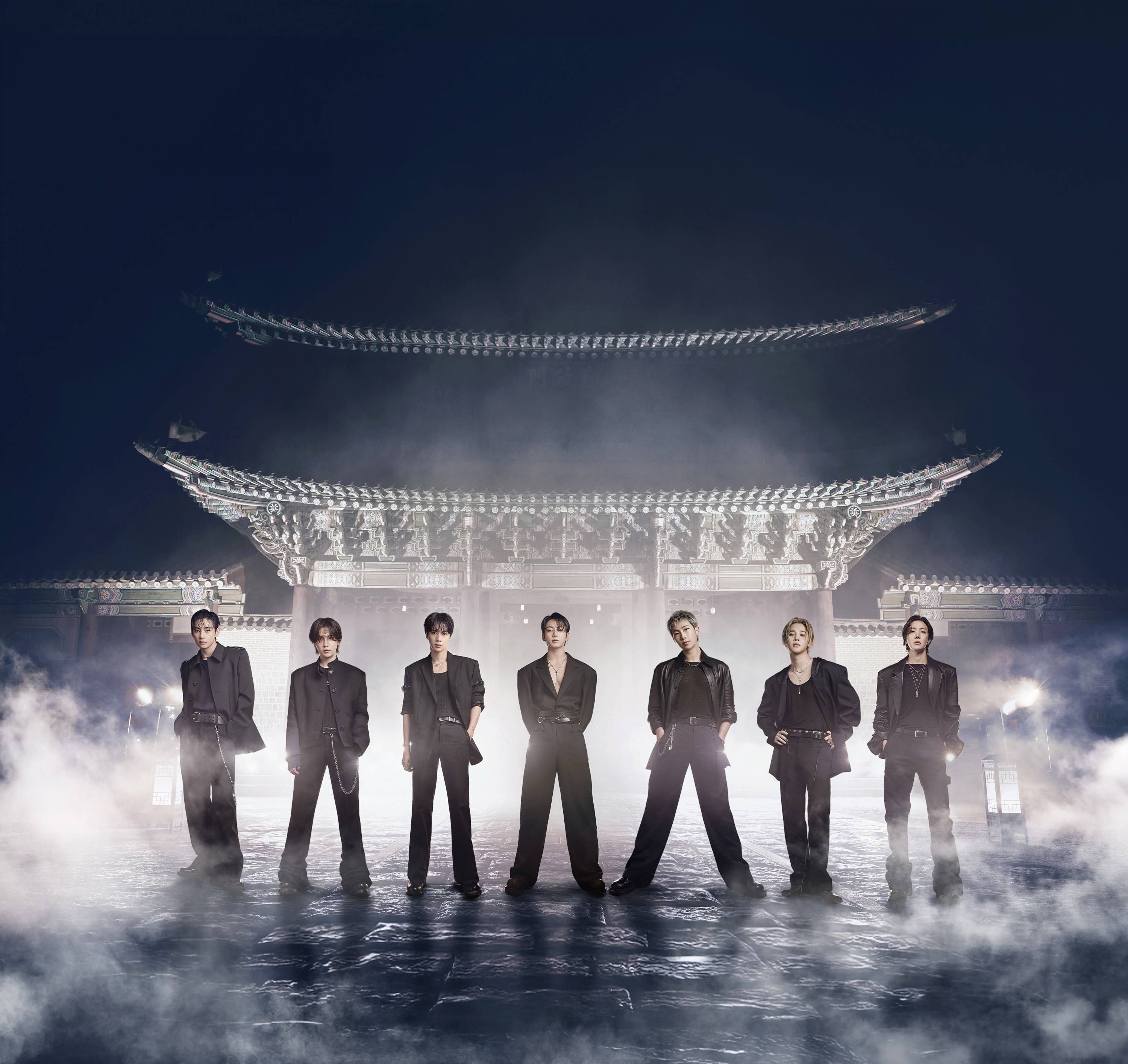
The Anatomy of a Stadium Milestone
The announcement that Stray Kids are set to perform at the prestigious Japan National Stadium is more than just a tour update; it is a profound declaration of arrival. In the high-stakes ecosystem of J-Pop and K-Pop, this venue serves as the ultimate litmus test for international drawing power. While their recent success in the X and Circle charts highlights their consistent digital dominance, this physical shift to a massive open-air arena signals a departure from the 'rising star' narrative toward the 'industry pillar' status. It’s no longer about whether they can top the charts—it's about how many tens of thousands of fans they can command in a single space simultaneously.
A Comparative Look at the Ascent
To understand the weight of this achievement, we have to look back at the historical benchmarks set by their peers and their own humble beginnings. Just a few short years ago, Stray Kids were navigating the complexities of post-pandemic touring, focusing on intimate fan engagements and domestic growth. When we compare their trajectory to industry veterans like BTS or SEVENTEEN, we see a shift in the acceleration of scaling. BTS required a longer, more gradual build-up to sell out the Japan National Stadium, a process defined by years of incremental growth in the Japanese market. Stray Kids, by contrast, have harnessed a hyper-accelerated growth strategy, leveraging their explosive self-produced sound and global streaming numbers to leapfrog the traditional developmental timeline.
| Metric | Early Era (2018-2019) | Current Era (2024+) |
|---|---|---|
| Primary Performance Space | Showcase/Small Hall | Japan National Stadium |
| Market Focus | Domestic Core | Global/Japan Dual-Core |
| Fan Engagement | Direct/Social Media | Massive Stadium Ecosystem |
Why This Tokyo Moment Redefines Their Narrative
What sets this specific Tokyo appearance apart from their previous dome tours is the cultural prestige associated with the venue itself. The Japan National Stadium is not just a venue; it is an icon of Japanese culture, often reserved for artists who have achieved a legendary status within the local consciousness. By crossing this threshold, Stray Kids are breaking the mold that suggests K-pop groups must spend a decade in the Japanese market to gain local mainstream legitimacy. Unlike their early career focus on niche genre experiments, this new era demonstrates a refined branding strategy—a blend of their signature high-energy performance style and a deliberate, tailored appeal to the massive Japanese audience that has clearly embraced them as their own.
The Sustainability of the 'Skz-Player' Phenomenon
Looking ahead, the challenge for Stray Kids is no longer capturing attention, but maintaining the gravity required to fill these arenas sustainably. Their growth is rooted in the 'SKZ-Player' ethos, where the idols are perceived as creators rather than just performers. This creates a much deeper, more resilient connection with their fan base, STAY. While other groups might rely on seasonal comebacks, Stray Kids have managed to build a continuous content loop that keeps them relevant in both streaming metrics and ticket sales. This stadium milestone is the logical conclusion of that strategy—a result of years spent diversifying their audience and refusing to be pigeonholed into a single market demographic.
Expectations Beyond the Stadium Lights
As we look toward the future, the question is: where do they go from here? Achieving a sell-out at the Japan National Stadium is effectively the 'final boss' of the Japanese touring circuit. It suggests that their next phase will likely involve global stadium headlining tours that span continents with the same density they have achieved in Tokyo. Industry observers are now watching to see if this success ripples outward, perhaps influencing their agency’s approach to global concert logistics or leading to more frequent, large-scale stadium projects that prioritize scale over the frequency of smaller, localized club shows. Stray Kids have effectively closed the gap between 'idols' and 'stadium-filling cultural icons,' and the rest of the industry is taking notes.
Source Article: Read the original Korean news here
#StrayKids #KpopNews #JapanNationalStadium #SKZ #STAY #KpopAnalysis #MusicIndustry #TokyoDome #BTS #KpopTrends