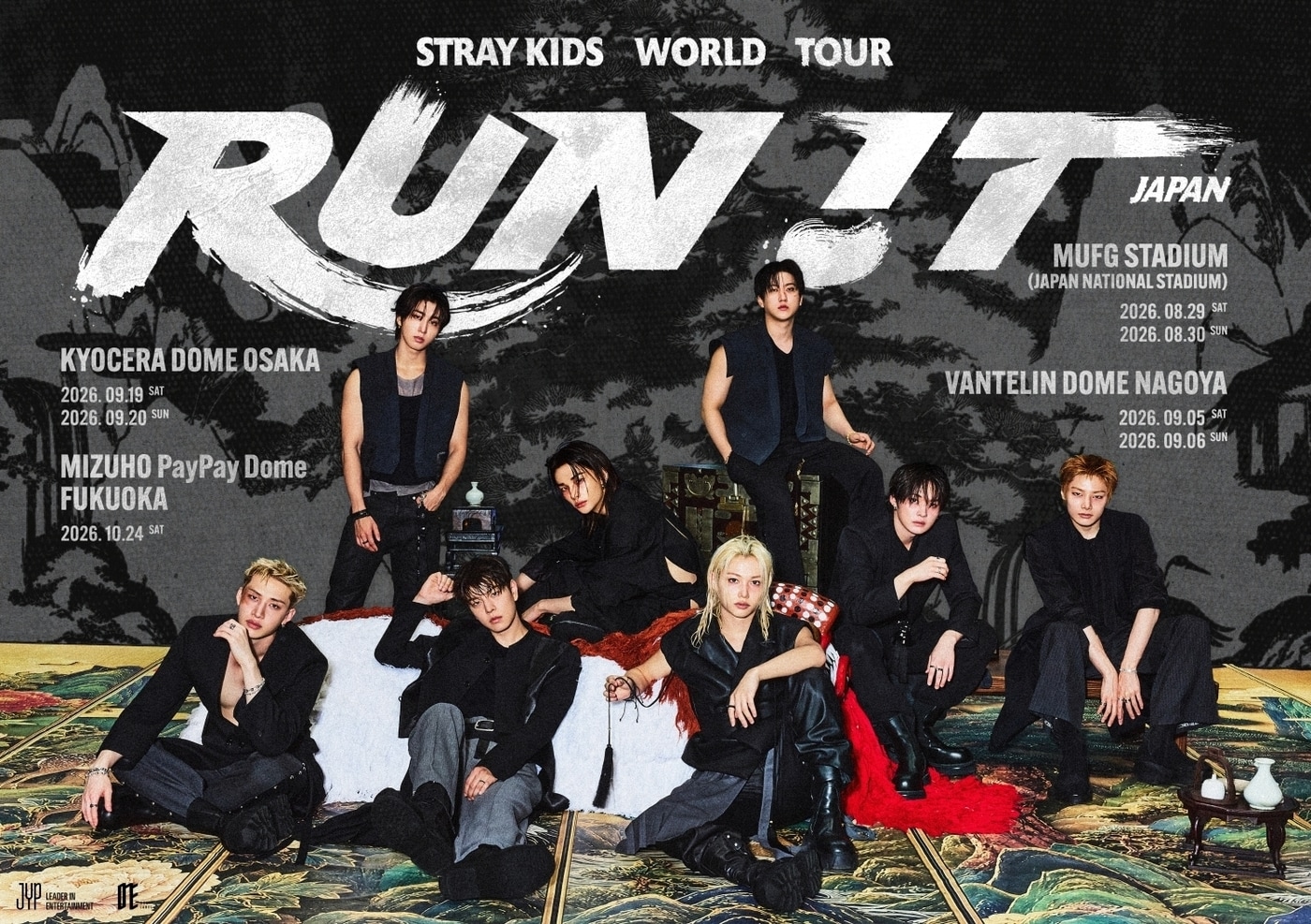
By shattering the glass ceiling of the Tokyo National Stadium, Stray Kids have effectively transitioned from regional touring acts to an elite tier of global fiscal powerhouses.
The Geometry of Growth: Beyond Sold-Out Arenas
When we talk about K-pop success, we often get lost in the noise of viral dance challenges or social media engagement metrics. However, the true litmus test for an artist’s longevity remains the physical capacity of their tour venues. Stray Kids’ recent confirmation as the first international male act to headline the Tokyo National Stadium—a venue boasting a capacity of nearly 70,000—isn’t just a headline; it’s a massive data shift in the industry. For a group to scale from dome tours to a stadium of this magnitude in such a short window signals a trajectory that analysts are calling the 'SKZ Hyper-Growth.' When we look at the raw numbers—ticket revenue models, merchandise throughput, and secondary market demand—it becomes clear that their Japanese influence has reached a point of exponential saturation that traditional K-pop models simply cannot account for.
Quantifying the 'STAY' Effect: The Math Behind the Sold-Out Seats
To understand the weight of this milestone, we must look at the specific conversion rates of their Japanese fanbase. Since their 2020 debut in Japan, Stray Kids have systematically sold out every tier of performance space, starting from zepp tours and graduating to the major dome circuit. The cumulative attendance data from their recent tours paints a picture of a fanbase with an exceptionally high retention and conversion rate. Unlike groups that rely on transient public popularity, Stray Kids’ growth is anchored in a highly loyal, high-spending demographic. By filling a 70,000-seat stadium, they are moving into a fiscal bracket previously reserved for J-pop legends and only a handful of global icons. This stadium date serves as a multiplier, likely securing their spot as one of the top-grossing touring acts in the global industry for the current fiscal year.
The Tokyo National Stadium: A Benchmark for Global Legacy
Why does the Tokyo National Stadium carry such immense weight in the K-pop narrative? Beyond the sheer volume of ticket sales, it is a cultural seal of approval. By becoming the first international male act to command this specific stage, Stray Kids have effectively bypassed the long-standing 'territoriality' of the Japanese music market. Looking at the historical data, this venue is often the pinnacle of a decade-long career. Stray Kids reaching this point—with their unique brand of high-energy, self-produced 'Noise Music'—defies the conventional wisdom that only ballad-heavy or pop-standard groups find success in the Japanese mainstream. It’s a bold recalibration of what constitutes 'commercial viability' in the East Asian market, proving that niche identity, when scaled correctly, can dominate at a massive, stadium-wide level.
The Revenue Multiplier: Merch, Streams, and Tiered Access
We cannot discuss this milestone without mentioning the per-head revenue that accompanies such massive events. Stadium concerts of this magnitude are the lifeblood of agency valuation, particularly for JYP Entertainment. When a group moves to a stadium, the merchandise ecosystem changes entirely. The demand for venue-exclusive photocard sets, apparel, and lightstick configurations reaches a fever pitch that dictates Q3 and Q4 earnings forecasts. By booking the Tokyo National Stadium, Stray Kids are not just selling tickets; they are activating a high-velocity spending cycle. Fans are not just showing up for a two-hour show; they are participating in a total brand experience, which is why their upcoming stadium performance will likely register as a significant spike in JYP’s overall quarterly revenue reports.
The Future of Touring: What Comes After the Peak?
As we analyze the trajectory, the question shifts from 'can they?' to 'what’s next?' The move to the Tokyo National Stadium suggests a shift in strategy towards stadium-exclusive world tours. For Stray Kids, the data suggests that they have successfully transitioned out of the 'developmental phase' of international touring and into the 'sustainability phase.' With their current streaming numbers remaining consistently in the top tier on platforms like Spotify and Oricon, the group is now in a position to leverage this stadium success into even larger multi-continent stadium circuits. The numbers prove that their influence is no longer a localized phenomenon but a global economic force, setting the stage for a new standard in how K-pop acts value their own touring assets in the post-pandemic era.
Source Article: Read the original Korean news here
#StrayKids #KpopStats #TokyoNationalStadium #JYP #SKZ #KpopIndustry #ConcertEconomics #GlobalMusic #STAY #BTS
