Quantifying the Luxury Experience: Is the ROI Worth the Public Backlash?
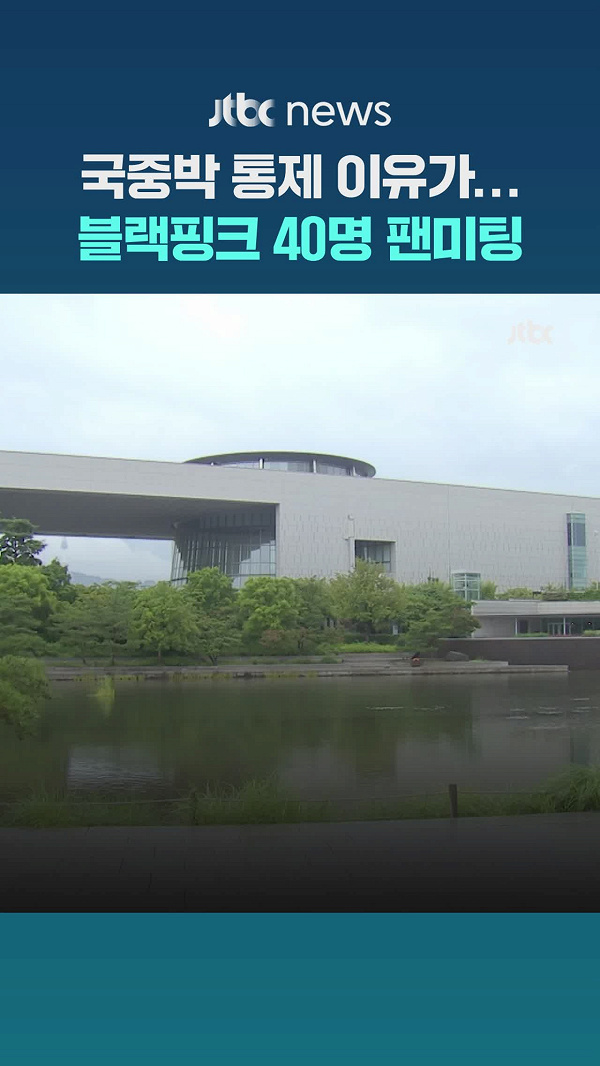
When we look at the K-pop industry’s current trajectory, the shift from mass-market accessibility to hyper-exclusive, ultra-high-net-worth experiences is clear. The recent controversy surrounding a private Blackpink event held at the National Museum of Korea—which saw the facility partially cordoned off for a group of just 40 attendees—highlights a fascinating tension between cultural stewardship and brand monetization. While a 40-person guest list sounds minuscule compared to a sold-out stadium tour, in the world of luxury brand partnerships, this isn't just a meeting; it’s a high-stakes conversion funnel. By placing global icons inside a national heritage site, the brand is leveraging the prestige index of the location to elevate the artist's stature beyond 'pop idol' into 'global cultural ambassador,' a strategy aimed at capturing a different tier of market value entirely.
The Arithmetic of Influence: Measuring Engagement Beyond Numbers
To understand why a private event for 40 people causes such a public stir, we have to look at the math of engagement density. A stadium tour might reach 50,000 fans in one night, generating millions in ticket revenue and merchandise sales—a traditional volume-based monetization model. Conversely, this museum event operates on a value-based exclusivity model. When an artist is associated with such an elite, gate-kept environment, their perceived market value increases exponentially for luxury conglomerates like LVMH. The brand equity generated by a single photo in a historic, restricted space often outweighs the reach of a million-view YouTube video. However, this strategy faces a mathematical limit: when the 'cost' of the event involves alienating the public by restricting access to a national asset, the reputational ROI can quickly turn negative.
The tension between K-pop’s massive cultural footprint and the hyper-niche, elite environments these artists now inhabit reveals a growing rift in industry infrastructure, where the 'public good' is increasingly sacrificed for the 'private brand.'
Setting the Industry Benchmark: Comparing Access to Global Icons
Historically, K-pop’s rise was built on a foundation of radical accessibility—fan signs, high-touch fan meetings, and content-heavy social media streams. Fans are used to massive, inclusive events where the goal is to maximize participation. Today, however, as groups like Blackpink, BTS, and IVE solidify their global elite status, the industry is pivoting toward strategies that feel more akin to Old Hollywood star-making. If we compare the 'fan-per-dollar' ratio of a standard concert to these ultra-niche activations, the disparity is stark. The opportunity cost for the average fan is becoming more apparent as companies prioritize high-value brand alignments that feel physically and financially removed from the common experience, creating a 'bottleneck effect' in how fans interact with their idols.
The Spatial Crisis and the Future of Idol Infrastructure
The criticism regarding the 'inadequate' handling of this event isn't just about museum logistics; it’s a critique of industry entitlement. When a 1-hour control of a major national space is granted for a group of 40, it sparks a conversation about who owns our shared cultural spaces. As K-pop acts become sovereign entities, their management teams face the challenge of navigating the delicate balance between brand prestige and public optics. Moving forward, I expect to see a more data-driven approach to these events, where agencies will need to balance brand-exclusive KPIs with a more transparent communication strategy to avoid the kind of backlash that turns a successful marketing moment into a public relations liability.
Decoding the Strategy: From Music Charts to Global Market Share
Ultimately, the numbers don't lie: these artists are no longer just music stars; they are multi-billion dollar assets. Whether it’s Jin’s record-breaking chart longevity or Blackpink’s dominance in the luxury sector, the industry is moving toward a model that values influence metrics over raw ticket sales. While the 40-person guest list at the museum seems like an outlier, it is a symptom of a larger, systemic change in how K-pop talent is deployed globally. The fans, who have historically pushed these artists to the top of the Billboard charts through collective action, are now observing a shift in power where the decision-making is increasingly internal, corporate, and detached from the grassroots energy that built the industry. For the future, the challenge for agencies will be to maintain that essential 'fan connection' while pursuing these high-end, exclusive orbits that keep their artists at the top of the global luxury food chain.
Source Article: Read the original Korean news here
#Blackpink #KpopIndustry #LuxuryMarketing #CulturalHeritage #IdolEconomy #KpopAnalysis #BrandEquity #NationalMuseumOfKorea #GlobalKpop #FanEngagement