Decoding the Infrastructure of Fandom Diplomacy
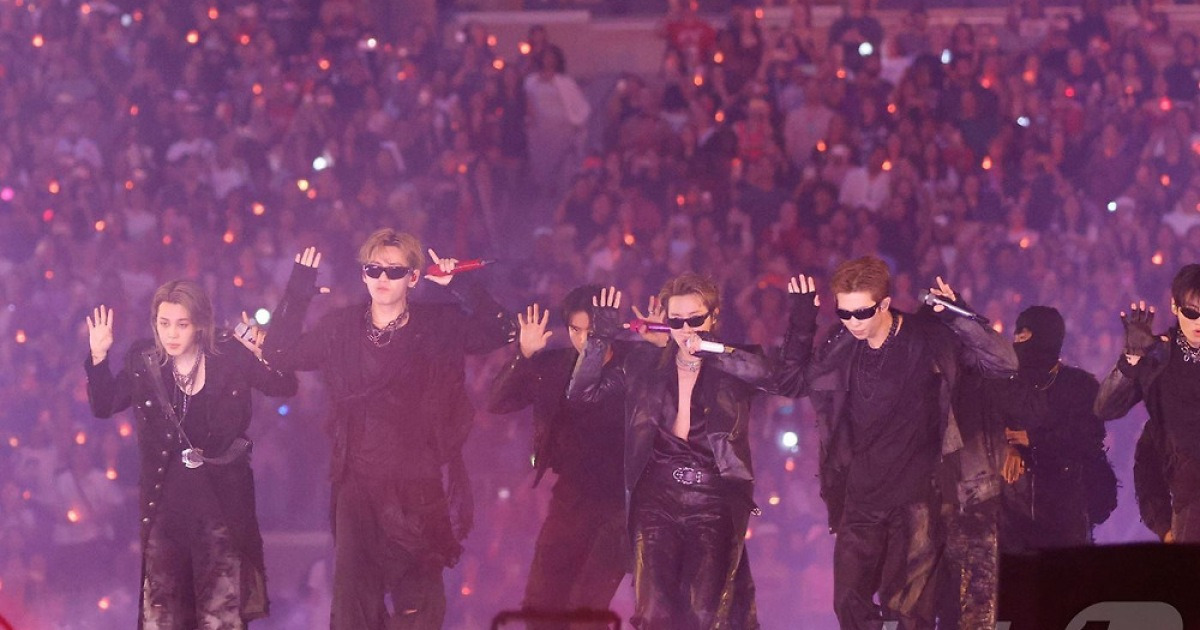
When news broke about the formal declaration of 'BTS Week' in Los Angeles, the immediate reaction was centered on the sheer spectacle of the events. However, beneath the surface of sold-out stadiums and city-wide purple illuminations lies a fascinating logistical masterclass that is rarely discussed in mainstream music journalism. This wasn't just a spontaneous outpouring of love; it was a carefully orchestrated synergy between HYBE’s operations team and local municipal entities. To pull off a week-long takeover of a major American metropolitan center, the production teams had to navigate complex city permits, local labor unions, and rigorous safety protocols that usually take months, if not years, to coordinate. This event signaled that BTS had graduated from being mere musical performers to becoming economic catalysts that cities now actively vie to host.
The Anatomy of the Pre-Event Negotiation
The transition from a concert tour to a city-wide 'week' represents a significant shift in how K-Pop acts exert soft power. Behind the scenes, the preparation involved intensive lobbying and diplomatic outreach. Unlike the standard touring model, where an artist arrives, performs, and departs, the creation of a 'BTS Week' required a deep-dive into the local cultural landscape. We are talking about the alignment of tourism boards, transportation authorities, and private businesses all moving in lockstep. The production team had to ensure that the influx of international fans—the ARMY—would not only be accommodated but integrated into the city’s identity, creating a temporary 'pop-up' ecosystem that transformed the physical infrastructure of LA into a global stage for Korean culture.
Beyond the Hype: The Technical Challenges of Urban Integration
The logistics of controlling traffic, managing massive crowds at non-traditional venues, and coordinating city-wide light shows are tasks usually reserved for the Olympics or Super Bowl. For the HYBE production crew, this was a trial by fire. A key aspect of the 'BTS Week' architecture was the digital-physical hybrid strategy. They had to account for how fans would navigate between virtual fan events and physical pop-ups while maintaining a seamless user experience. By leveraging mobile-first technology, the organizers managed to decentralize the fan experience, preventing the typical bottlenecks that occur at mega-concerts. This allowed the city to breathe while simultaneously feeling completely 'BTS-ified,' a feat of urban design that set a new benchmark for global tour logistics.
Why the Industry is Now Studying the 'BTS Blueprint'
If you look at how other major labels and entertainment conglomerates are now adjusting their strategies, you can see the 'BTS Week' influence everywhere. The industry is moving away from passive consumption to experiential event branding. Agencies are no longer just hiring event promoters; they are hiring urban planners and public relations firms that specialize in government relations. This shift acknowledges that K-Pop’s true value in the American market is no longer just in album sales, but in its ability to rebrand major cities. The level of collaboration required between the artists and the local administration has created a new playbook for international acts, proving that the future of touring is fundamentally rooted in civic partnerships.
The Sustainability of the 'Week-Long' Model
Critics often ask if such a massive production is sustainable, but the 'BTS Week' model provides a clear answer: it is an investment in brand equity that pays dividends long after the lights go down. By embedding themselves into the fabric of LA, BTS ensured that their presence was not a fleeting moment, but a historic chapter in the city's timeline. This deliberate approach to production—where the artist functions as a cultural anchor—is what separates BTS from their peers. The meticulous attention to detail, from the partnership with local businesses to the support of local labor, demonstrates that behind the glitz and glamour, there is a disciplined, almost corporate-level strategy aimed at achieving long-term dominance in the global entertainment market.
Source Article: Read the original Korean news here
#BTS #BTSWeek #LAEvent #KPopLogistics #MusicBusiness #HYBE #SoftPower #ARMY #GlobalTour #KPopIndustry