Why is Seongsu becoming the epicenter of the K-pop experience?
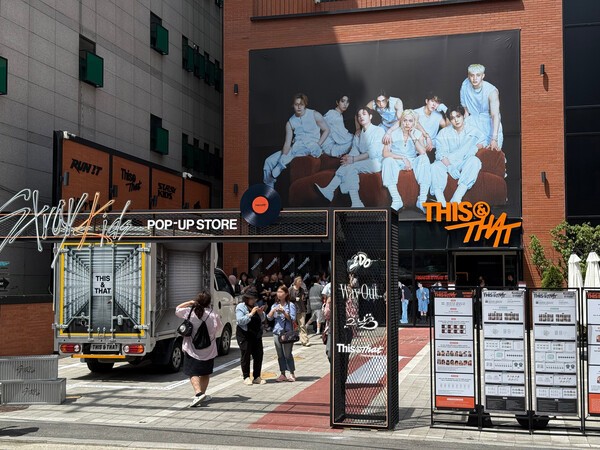
If you have been scrolling through your timeline recently, you’ve likely seen the bustling queues in Seoul’s trendiest neighborhood, Seongsu-dong. Stray Kids have officially turned this area into their latest playground with the 'THIS & THAT' pop-up store, celebrating their highly anticipated comeback. But why Seongsu? For years, K-pop groups utilized traditional, centralized locations, but the shift toward Seongsu reflects a broader cultural pivot. This neighborhood is the current creative heartbeat of Seoul, blending industrial heritage with high-end fashion and art. By choosing this location, Stray Kids aren’t just selling merchandise; they are signaling that their brand is deeply embedded in the lifestyle and aesthetic of the modern, urban fan. It transforms a simple consumer transaction into an 'event' that fits perfectly into the aspirational digital lives of global followers.
What makes the 'THIS & THAT' pop-up more than just a retail space?
A common misconception is that these pop-ups are just fancy gift shops. In reality, they are meticulously engineered experiential marketing hubs. The 'THIS & THAT' concept provides a physical manifestation of the group's current creative identity, moving beyond static images to interactive, tangible touchpoints. When fans visit, they aren't just buying photocards; they are stepping into the visual narrative of the new album. This spatial storytelling is essential in an era where digital fatigue is real. By providing a 'pilgrimage' site, JYP Entertainment creates a scarcity-driven experience that incentivizes real-world participation. It is a brilliant way to solidify the fandom bond, turning individual streaming habits into a collective, physical celebration that dominates social media feeds.
Is the 'pop-up' model the new standard for K-pop sustainability?
We are currently witnessing a massive shift in how K-pop groups monetize their presence outside of traditional tour cycles. The 'pop-up' economy serves as a revenue multiplier, keeping a group’s brand relevant even when they aren't actively performing on music shows. For Stray Kids, who are known for their high-octane, self-produced discography, these pop-ups act as a bridge between their music and the high-fashion, trend-conscious world. By integrating exclusive, location-specific items that can't be bought online, the group creates a sense of urgency. This model is incredibly effective because it targets the psychological need for 'exclusive access', proving that even with a massive global reach, maintaining a 'local' and intimate connection with fans is the most powerful tool in the industry.
How does this pop-up reflect Stray Kids’ evolution as a brand?
When we look at the progression of Stray Kids, their branding has moved from raw, youthful rebellion to a sophisticated, high-concept artistic maturity. The 'THIS & THAT' pop-up reflects this transition perfectly. The design language of the space is sharper, more curated, and feels less like a fan event and more like a luxury brand installation. This is a deliberate step to elevate the group’s image to a global scale, appealing to a broader demographic that values design and curation as much as the music itself. As they continue to push boundaries, the group proves they aren't just following industry trends—they are setting them, demonstrating that visual identity is just as critical as the sonic experimentation they are famous for.
What can fans expect as the next step in this comeback cycle?
While the pop-up serves as the visual anchor for this era, it is clearly just the beginning of the campaign. The buzz generated by these long lines is essentially a self-sustaining PR engine. As photos of the space circulate on platforms like X (formerly Twitter) and Instagram, they build a sense of FOMO (Fear Of Missing Out) that drives global engagement. Looking ahead, this sets the stage for a more globalized approach to their comeback. We can expect to see more of these spatial experiences appearing in key international markets, further cementing Stray Kids not just as a music act, but as a lifestyle force. The synergy between their music release and these physical activations is a masterclass in modern, 360-degree fan engagement, ensuring that their comeback isn't just heard, but felt throughout the cultural landscape.
Source Article: Read the original Korean news here
#StrayKids #Seongsu #KpopMarketing #THISandTHAT #StrayKidsComeback #JYPE #KpopTrends #IdolCulture #KpopAnalysis #SeongsuPopUp