Beyond the Stage: Transforming Fandom into Infrastructure
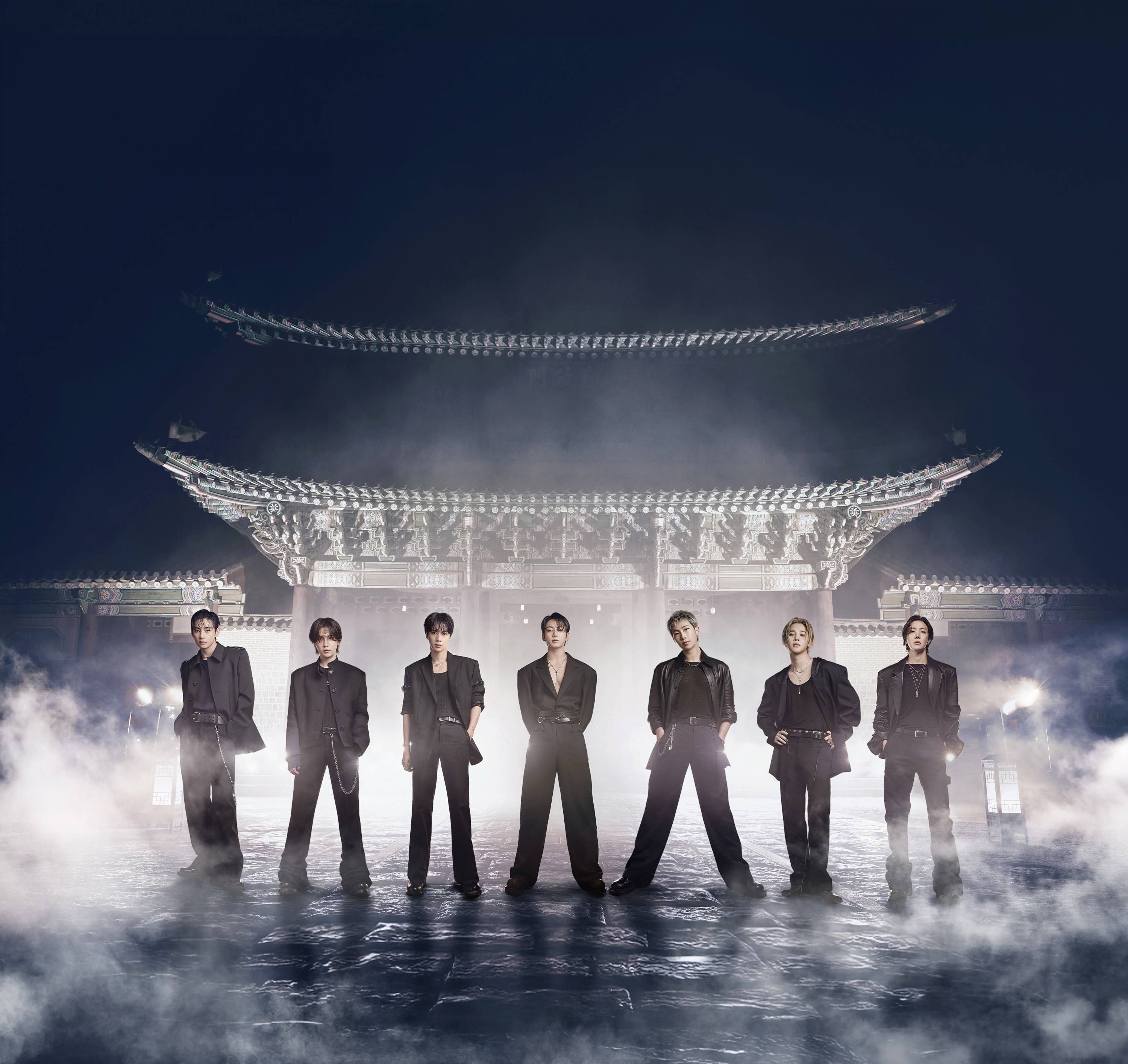
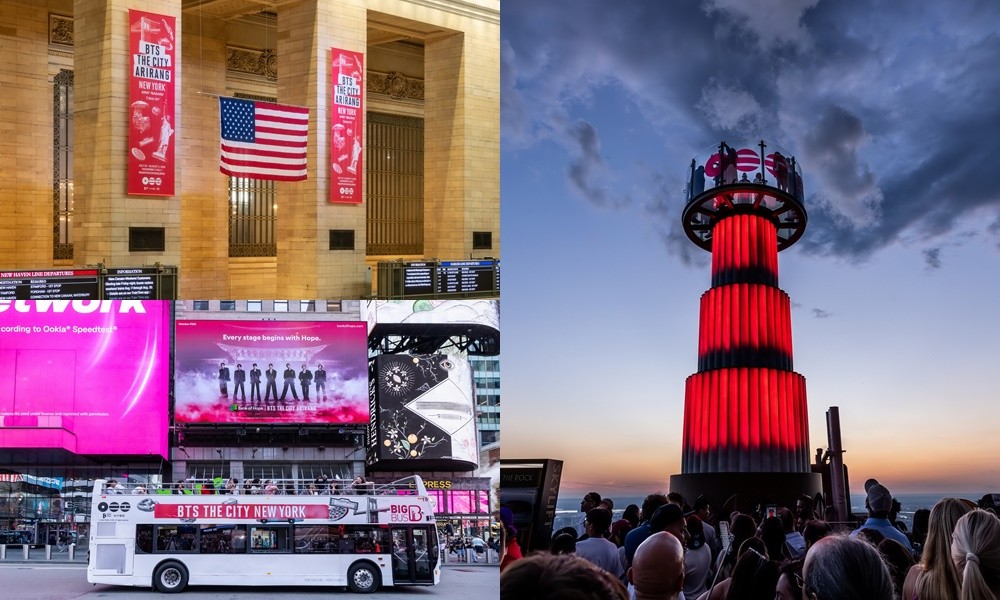
When we look at the recent buzz surrounding BTS’s latest activations in New York, it’s easy to get lost in the excitement of fan chants and photo opportunities. However, for those tracking the strategic evolution of HYBE, this isn’t just another promotional stunt—it is the maturation of the 'THE CITY' project. By integrating the group’s brand into the urban fabric of a global metropolis, the agency is successfully transitioning BTS from a traditional touring act into a permanent cultural ecosystem. While many idol groups struggle to maintain visibility during solo chapters or military hiatuses, BTS is proving that they don't need to be actively performing on stage to dominate a city’s economic and social landscape.
The 'THE CITY' model represents a radical shift in idol marketing: it moves the artist away from being a mere performer and elevates them into a foundational element of the global retail and tourism economy, ensuring brand ubiquity even in the absence of a collective tour.
The Economics of the 'City' Takeover
The brilliance of this strategy lies in its ability to decouple fan engagement from ticket sales. In the past, the K-POP industry relied heavily on the 'concert-or-bust' model. If an artist wasn't touring, their revenue and brand reach plummeted. By launching these immersive 'CITY' experiences, the company creates a decentralized revenue stream that capitalizes on high-traffic urban centers. For fans, these experiences provide a sense of communal belonging that digital content simply cannot replicate. For the brand, it acts as a massive OOH (Out-of-Home) marketing machine that keeps the BTS name trending globally, effectively shielding the group from the 'out of sight, out of mind' phenomenon that plagues many high-profile acts.
Scaling the HYBE Blueprint
If we look closely at how this differs from previous promotional cycles, we see a focus on lifestyle integration. By embedding BTS-themed pop-ups, exhibitions, and limited-edition retail nodes into the daily life of New Yorkers, the brand inserts itself into the organic flow of the city rather than asking fans to travel solely for a concert. This is a masterclass in market saturation. It mirrors the strategies used by global luxury houses like Louis Vuitton or Dior, where the brand experience becomes a bucket-list destination. This signals that the agency is prioritizing long-term Intellectual Property (IP) monetization over the short-term spikes of a standard comeback cycle, essentially creating a 'BTS-land' that can be deployed anywhere from Seoul to Las Vegas or New York.
Future-Proofing Through Strategic Silence
One of the most impressive aspects of this trajectory is how it maintains market dominance during a time when the members are physically absent. This strategy effectively keeps the group’s billboard value intact. By curating these physical touchpoints, the agency creates a 'safe harbor' for the fandom, providing content and experiences that validate the fan's continued investment. It’s a sophisticated psychological play—by keeping the brand relevant through these massive urban activations, the group is essentially future-proofing their inevitable return to the main stage. The appetite for their content remains ravenous because the infrastructure for that fandom was never allowed to stagnate.
The Global Idol Trajectory
As we look toward the future, the 'CITY' concept is likely to become the standard for top-tier acts looking to bridge the gap between K-POP’s intensive training culture and Western pop-star longevity. Other agencies are watching closely; the ability to sustain a global brand at this scale, without relying on the physical presence of the artists, is the 'Holy Grail' of idol management. This success in New York is a definitive proof-of-concept that BTS is no longer just a K-POP group—they have successfully evolved into a global brand entity that dictates the terms of engagement in the experience economy. Fans are no longer just listeners; they are active participants in a sprawling, multi-city urban movement.
Source Article: Read the original Korean news here
#BTS #HYBE #THECITY #KPOPIndustry #BTSARMY #MusicMarketing #GlobalStrategy #KPOPBusiness #NewYorkKPOP #IdolEconomics