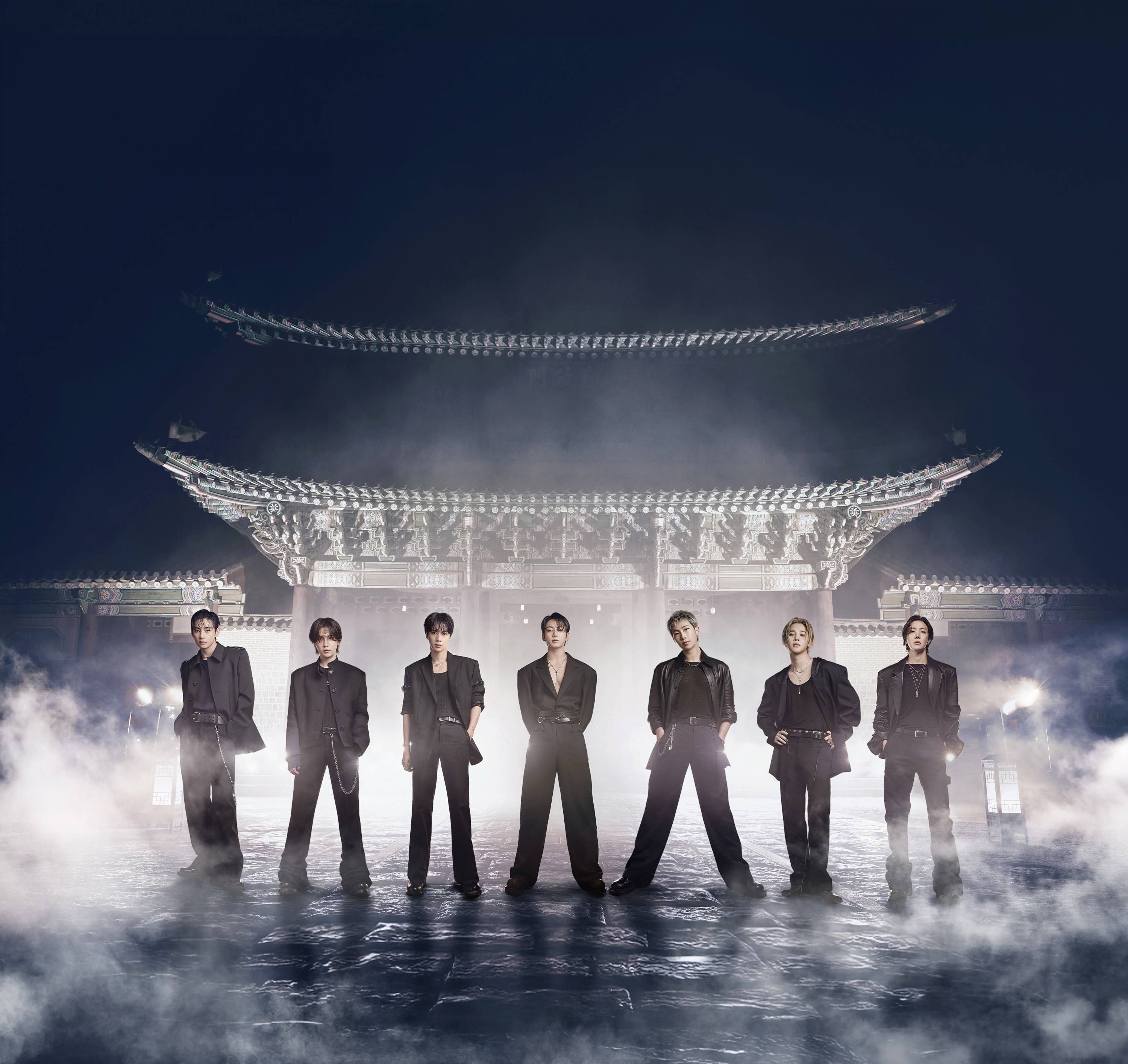
As the buzz of concert season meets the roar of public discourse, the quiet rustle of refund receipts in Seoul’s Olympic Park is revealing a deeper tension between civic space and cultural phenomenon.
The Cost of Conflict: Beyond the Refund Math
When headlines mention that concert cancellations at Seoul’s Olympic Park have ballooned into over 1 billion KRW in refunded venue fees, it is easy to view this through a purely transactional lens. However, for the global K-Pop community, these numbers represent something far more disruptive than just accounting losses. The ongoing struggle between public demonstrations, local resident convenience, and the massive logistical machinery of touring idols has reached a boiling point. Unlike the isolated incidents of the past, this current crisis highlights a structural bottleneck: Seoul is running out of venues that can safely accommodate both the high-octane energy of a stadium tour and the volatile reality of metropolitan public demonstrations. This isn't just about money; it’s about the shrinking geography of K-Pop’s home turf.
Comparative Echoes: A Look Back at the 'Gocheok' Bottleneck
To understand the gravity of this situation, we must compare it to the infamous 'Gocheok Sky Dome' scarcity era that plagued the industry around 2016-2018. Back then, the industry faced a different type of pressure: the physical limitation of capacity. When groups like BTS or EXO struggled to secure dates, it was a battle of supply against overwhelming fan demand. Now, the dynamic has shifted toward a battle of space usage rights. While the past decade was defined by idols fighting to enter the gates of the limited venues available, the current reality is that even when venues are secured, external sociopolitical friction can force them shut. This evolution from 'scarcity of space' to 'instability of access' marks a volatile new chapter for event planners and entertainment agencies alike.
The Logistics of Vulnerability: Why Idols Are Now 'High-Risk' Clients
The financial impact of these cancellations isn't just felt by the artists or the venue management; it ripples through the entire local economy. When a massive concert is canceled or moved, local vendors, transportation networks, and hotel industries lose out on the 'fan-tourism' goldmine that defines the modern K-Pop economy. The fact that protests are now becoming a primary factor in these logistical decisions adds a layer of complexity that agencies were previously ill-equipped to handle. We are seeing a move away from simple tour scheduling toward complex, high-stakes risk mitigation strategies, where the location of a show is determined as much by political stability as it is by sound acoustics or fan accessibility.
From Crowd Control to Crowd Conflict
We must look back at the industry’s response to the 2022 Halloween tragedy, which forced a massive, nationwide reassessment of crowd management protocols. That moment taught the industry that safety and stability are non-negotiable. However, today’s situation in Olympic Park proves that the 'safety' variable has expanded to include the external environment. In the past, protest noise or surrounding traffic might have been considered a minor inconvenience to be managed by security teams. Now, it is a financial liability capable of shutting down multi-million dollar productions. The industry is being forced to learn that in a densely populated city like Seoul, the 'idol space' is no longer a private sanctuary, but a public square subject to the shifting tides of civic unrest.
Future-Proofing: How Agencies Are Rethinking the Tour Circuit
As we look toward the future, the primary question remains: how will top-tier agencies protect their assets from these uncontrollable external variables? We can expect to see a massive shift toward decentralized touring, where groups move away from relying on the traditional 'Seoul Hub' model and instead focus on smaller, multi-venue regional circuits to spread out the risk. Furthermore, there is an urgent need for the industry to foster a better dialogue with local residents and governing bodies, moving away from the 'artist versus community' narrative that currently dominates. Unless these logistical hurdles are addressed, the 'concert season' may become an increasingly unpredictable, and potentially unsustainable, venture in the heart of the capital city.
Source Article: Read the original Korean news here
#KPOP #BTS #SeoulConcerts #OlympicPark #KPopIndustry #TourLogistics #ConcertCancellation #IdolEconomy #KPopNews #LiveMusic