From Rookie Ambition to Stadium Stardom: A Timeline of NCT’s Ascent
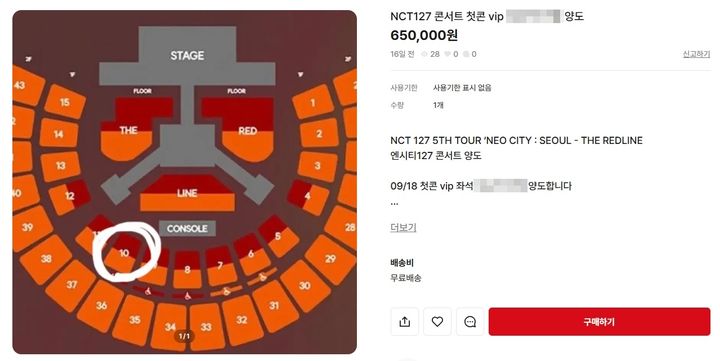
When we look back at the trajectory of NCT, we aren’t just looking at a musical act; we are witnessing the construction of a sprawling, multi-layered K-pop empire. From the experimental, gritty sounds of their early days to the polished, synchronized spectacle of their recent stadium tours, the group’s journey has been defined by a relentless drive to push boundaries. However, as the group has grown, so too has the intensity of the barrier between the idol and the fan. The recent headlines regarding VIP seats being resold for 650,000 KRW are not just a news blip; they are a direct consequence of the immense cultural weight NCT now carries. As the group navigates the peak of their global popularity, these skyrocketing ticket prices reflect the transition from a group fighting for a seat at the table to an act whose very presence in a city triggers a digital gold rush.
The Scalping Shadow: When Success Becomes a Double-Edged Sword
The irony of today’s K-pop landscape is that the more successful a group becomes, the more inaccessible they appear to their core fanbase. In the early stages of NCT’s career, the focus was on building a fandom identity through fan-sign events and digital engagement. Now, the battleground has shifted to ticketing platforms where algorithms and scalpers threaten to hollow out the live concert experience. The 650,000 KRW price tag—a staggering premium over the original cost—is a blunt reminder that the demand for the ‘NCT experience’ has officially outpaced the supply. It creates a socioeconomic divide within the fandom, where the most dedicated fans are sidelined by those with deep pockets or, worse, automated bots.
The tragedy of the modern idol industry is that while the music is more accessible than ever through streaming, the physical connection to the artist has been commodified to the point where only the most affluent can secure a front-row seat to their history.
Milestones and Management: The Responsibility of the 'Blueprint'
If we view this through the lens of NCT’s career milestones, we can see that this isn't just about bad actors—it's a systemic test of the agency's influence. Throughout their career, NCT has built their reputation on being a high-concept, fan-centric project. But as they move toward the latter part of their current growth phase, the failure to curb these resale practices threatens the very ‘community-first’ ethos they spent years cultivating. Fans aren't just paying for a performance anymore; they are paying for a sense of belonging in a group’s legacy. When secondary markets inflate prices, it chips away at that sense of belonging and forces fans to question whether the ‘value’ of the idol-fan relationship is being exploited by external parasites rather than protected by the stewards of the brand.
Beyond the Ticket: What Happens When the Bubble Bursts?
Looking ahead, how this ticketing crisis is handled will likely become a case study for the next generation of K-pop giants. Will we see a shift toward blockchain-based ticketing, or perhaps more draconian ID-verification measures at venues? For NCT, their next chapter must be one of consolidation—proving that their massive influence can be leveraged not just to sell out stadiums, but to ensure that the fans who stood by them since the beginning are not priced out of the story. If the group wants to maintain their status as leaders of the pack, they need to ensure that their legacy is defined by the quality of their artistry, not by the audacity of the scalpers lining their pockets at the fans' expense.
The Evolution of the Fandom Dynamic
Ultimately, this moment serves as a litmus test for the industry. K-pop has survived many trials, from the digital shifts of the mid-2010s to the global explosion of the pandemic era. The struggle against illegal ticketing is simply the latest, most aggressive hurdle. NCT’s career has always been about innovation and adaptability; if they can spearhead a solution to this, they will secure their legacy as a group that didn't just conquer the charts, but also prioritized the integrity of the live concert space. The fans are watching, and for a group that prides itself on 'Neo' culture, solving the age-old problem of greed in the secondary market might just be their most important performance yet.
Source article: Read the original Korean news here
#NCT #KpopIndustry #TicketScalping #NCTDREAM #NCT127 #KpopNews #IdolLegacy #MusicBusiness #FanEconomy #KpopCulture