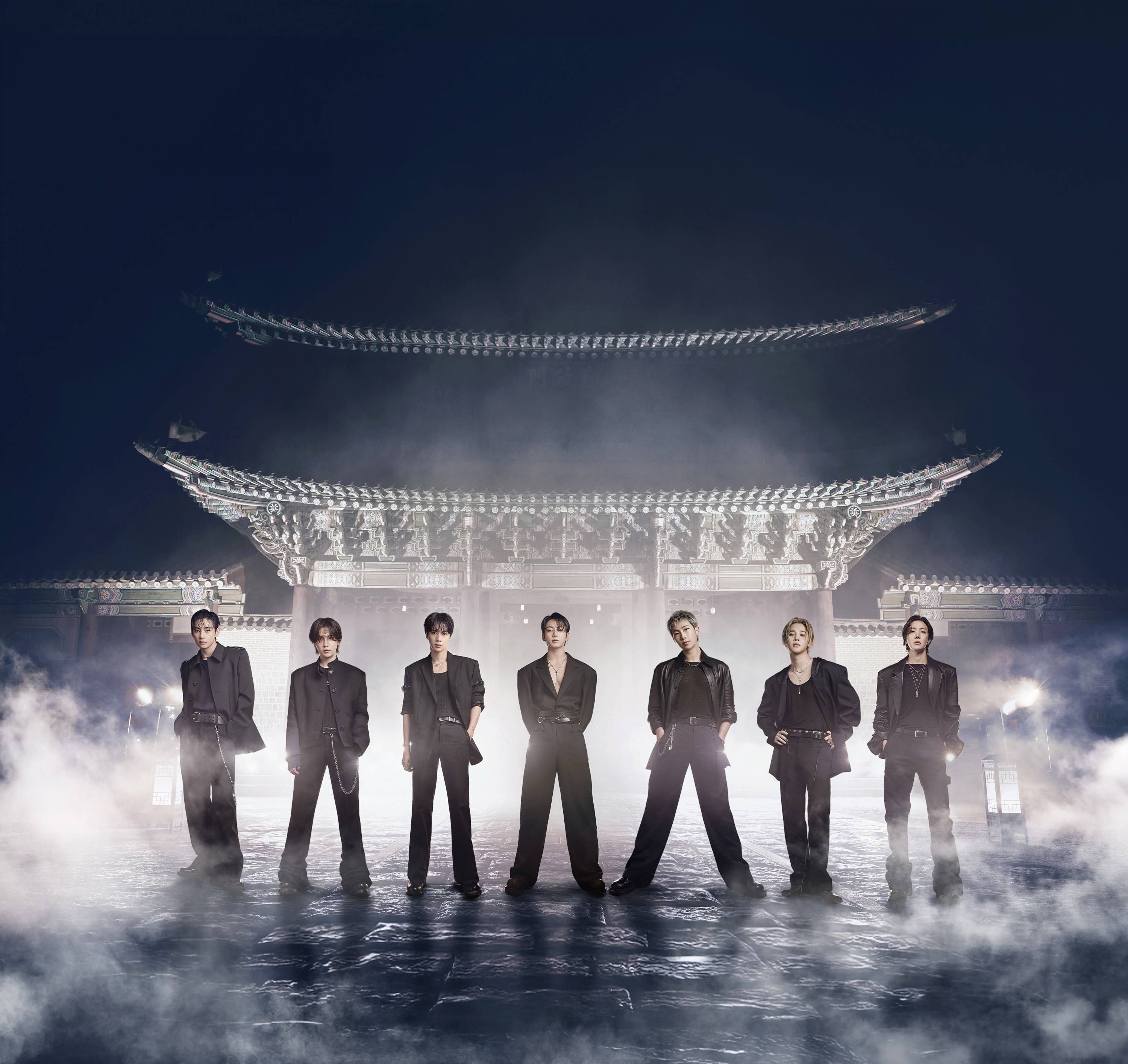
From Local Stadiums to a Global Scalping Nightmare
To understand the current headline regarding a 30-something individual being prosecuted for earning over 400 million KRW through illegal ticket scalping for BTS concerts, one must first look at the meteoric trajectory of the group. In the early days of their career, specifically during the 2013-2015 period, BTS was a group fighting for every seat in the house, often distributing tickets through intimate fan cafe events and smaller music hall showcases. Fast forward to the present, and the scale of the "BTS effect" has turned a simple fan experience into a high-stakes, multi-million dollar secondary market economy. The shift from grassroots community building to global superstardom didn't just break records; it inadvertently birthed a sophisticated underworld of professional scalpers who view K-pop fandom loyalty as a financial commodity to be exploited.
The Evolution of Fandom Security: A Retrospective
Throughout their career milestones—from the HYYH (The Most Beautiful Moment in Life) era that solidified their domestic hold, to the Love Yourself stadium world tours that conquered the West—BTS and HYBE have consistently battled the shifting sands of ticket security. Early in their career, the primary challenge was manual spamming of server refresh buttons. As the group’s popularity hit its apex, the tools of the scalping trade became far more insidious, involving automated bots, identity theft, and massive ticket-resale operations. This current prosecution is merely the latest chapter in a long-standing cat-and-mouse game that began when the group first started selling out major Korean venues like the Olympic Gymnastics Arena. It highlights how the industry’s shift toward digital-only ticketing has forced bad actors to evolve, moving from simple physical ticket hoarding to high-tech exploitation of fan verification systems.
Measuring the Impact: Why This Prosecution Matters
When we analyze the 400 million KRW figure, it is not just a monetary statistic; it is a direct tax on fan dedication. For years, the BTS fandom, ARMY, has been at the forefront of advocating for fair ticketing policies. This case serves as a reality check for the industry, proving that the legal consequences for 'ticket laundering' are finally catching up to the digital era’s most aggressive scalpers. Looking at the timeline of BTS's career, the transition from the group being 'underdogs' to 'global icons' has meant that their concerts are no longer just music performances—they are cultural summits. When scalpers profit from these events, they aren't just taking money; they are effectively pricing out the very fans who supported the group when they were still playing to empty seats, fundamentally disrupting the reciprocal relationship between the artist and their core fanbase.
What This Means for the Next Chapter
As BTS navigates their collective transition—balancing individual solo projects and upcoming military discharge timelines—the industry is preparing for an unprecedented demand surge for their future reunion tours. This recent legal action is a critical preemptive strike by authorities, signaling that the 'wild west' era of K-pop ticketing is coming to an end. It sets a new standard for how agencies must protect their audiences as they plan for the next phase of the group's legacy. By clamping down on these illicit operations now, the industry is creating a cleaner, more transparent ecosystem. The goal is simple: ensure that the next time the seven members stand on a stage together, the seats are filled by the fans who have been there since the beginning, not by those who can afford the most inflated prices on the black market.
The Broader Ecosystem of K-Pop Sustainability
The future of K-pop isn't just about record-breaking album sales or streaming numbers; it is about the sustainability of the live performance experience. As other groups like SEVENTEEN, NewJeans, and IVE grow their reach, they will inevitably face the same scalping pressures that have defined the BTS experience. The lessons learned from this prosecution will serve as a roadmap for the entire industry. Moving forward, we expect to see more integration of blockchain-based ticketing and stricter, non-transferable ticket policies that prioritize verified identity over fast fingers. The era of the 'digital arms race' is shifting toward a more controlled, fan-first environment, ensuring that the legacy of these artists is measured by the quality of their impact, not the price tag of their ticket resale value.
Source Article: Read the original Korean news here
#BTS #KpopNews #TicketScalping #HYBE #ARMY #KpopIndustry #FanCulture #MusicBusiness #KpopAnalysis #ConcertSecurity