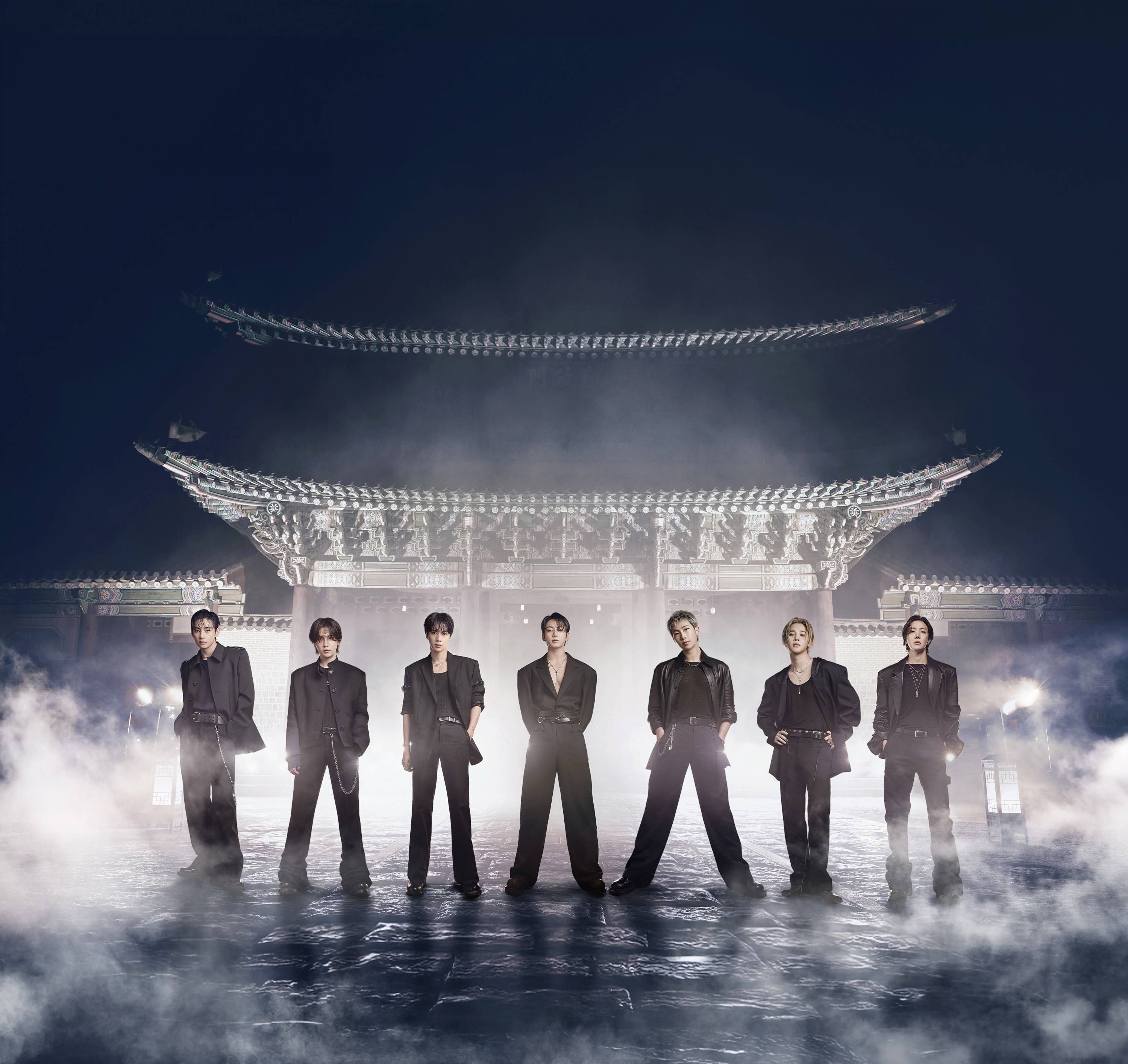
A Blast from the Past: Meeting the 'BTS of the 70s'
In a recent and delightful turn of events on a popular radio show, the legendary South Korean singer Ku Chang-mo made a surprising comparison that has fans buzzing across generations. Known for his monumental contributions to the Korean music scene during the 1970s and 1980s, Ku playfully dubbed himself the 'BTS and BLACKPINK of his era.' This bold claim isn't just about nostalgia; it’s a reflection of the massive cultural impact he held back in the day. Much like how BTS and BLACKPINK dominate global charts today, Ku Chang-mo’s hit songs were the soundtracks to the lives of millions, defining the pop culture landscape of a rapidly modernizing South Korea.
Beyond the Mic: A Secret Life as a Movie Star
What truly caught fans off-guard during the broadcast was the revelation of Ku’s hidden talents. Beyond his musical prowess, Ku revealed that he is an active member of the Korea Film Actors Association. Even more impressive, he shared that he had starred in three different hit movies during his career. This multi-hyphenate talent—singing, songwriting, and acting—serves as a reminder that before the current era of 'idol-actors' (like those we see in K-dramas today), icons like Ku were already breaking barriers and mastering multiple entertainment disciplines simultaneously. It highlights a fascinating evolution of the K-entertainment industry, showing that the versatility we love in today’s idols has deep, historical roots.
Cultural Continuity: From Analog Stars to Global Superstars
The comparison to BTS and BLACKPINK is more than just a playful joke; it signifies a bridge between the analog era and the digital streaming generation. For older fans, Ku Chang-mo represents a golden age of Korean rock and pop ballads. For younger fans, seeing these legends pay respect to their musical ancestors provides a deeper sense of K-pop history. It’s a reminder that the global phenomenon we see today, with stadiums selling out in seconds and social media trends taking over the world, was built on the foundation of artists who fought for musical creative freedom and cultural influence decades ago.
Industry Reaction and Fan Nostalgia
The online reaction to Ku's interview has been overwhelmingly positive, with fans flooding social media with messages of admiration. Many younger listeners are diving back into his discography, discovering the raw, emotive power of vintage K-pop. Industry experts note that Ku’s ability to remain relevant and humorously acknowledge his 'legend' status proves why he has stood the test of time. It’s this timeless charisma that connects the icons of the past with the superstars of the present. Whether it's a stadium tour in London or a nostalgic radio segment in Seoul, the core element remains the same: the power of a great song to unite people across generations.
What’s Next for the Living Legend?
With this newfound attention, fans are calling for potential collaborations or special stage performances that could feature Ku Chang-mo alongside some of today’s top groups. The idea of a cross-generational project has sparked significant excitement, as it could showcase the best of K-pop’s history and its future. Regardless of what he chooses to do next, Ku Chang-mo has successfully reminded the world that Korean music has a rich, storied past that deserves to be celebrated. As we look forward to the future of K-pop, we should always keep an eye on the icons who paved the way, proving that great artistry never truly goes out of style.
Source Article: Read the original Korean news here
#KpopLegend #KuChangmo #BTS #Blackpink #KoreanMusicHistory #KpopHistory #70sMusic #80sMusic #KpopIcons #RetroKpop