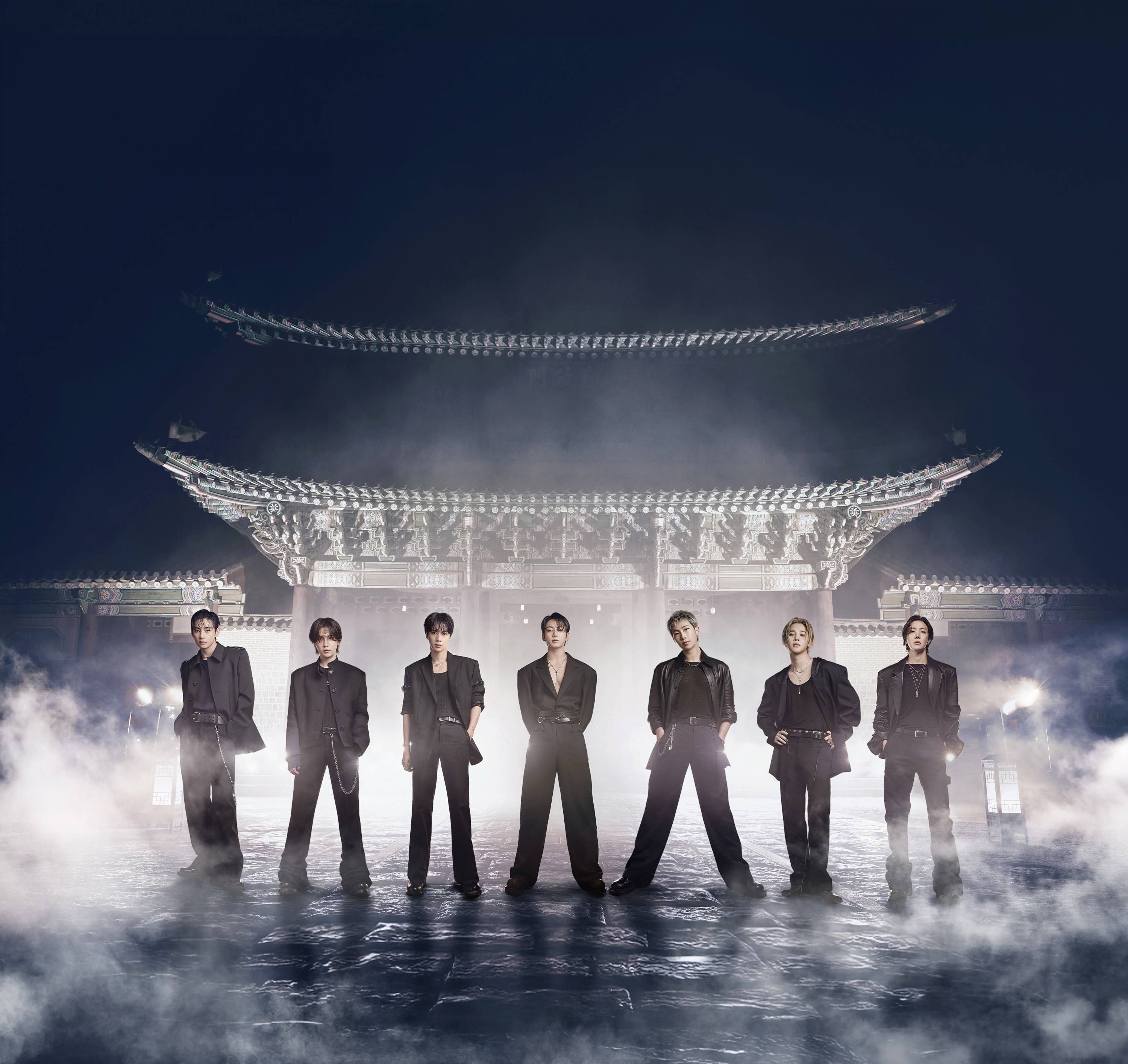
From stadium legends to the next generation of performance powerhouses, the Summer Sonic 2026 stage has become the definitive proving ground for a new era of K-pop dominance.
The Evolution of the Festival Circuit
When we look at the evolution of K-pop’s presence at international music festivals, the shift from 'niche curiosity' to 'essential headlining power' is nothing short of breathtaking. Years ago, K-pop acts appearing at global festivals like Summer Sonic were often presented as individual outliers—isolated sparks of interest in a lineup otherwise dominated by Western indie or rock acts. Today, however, the presence of artists like Jennie, LE SSERAFIM, BABYMONSTER, TWS, and Hanroro signals a move toward a curated 'K-Wave' ecosystem. This isn't just about individual popularity anymore; it’s about the industry's strategic investment in creating a cohesive, multi-generational K-pop experience that translates seamlessly to a festival environment.
Mirroring the Past: The 2010s vs. The 2026 Paradigm
To understand the weight of this year's Summer Sonic announcement, we have to look back at the 2010s, a time when legendary acts like BIGBANG or BTS first began carving out space in the Japanese market. Back then, the strategy was heavily focused on localized Japanese discography and exhaustive, high-touch fan meeting tours. Fast forward to 2026, and the approach has flipped: groups are no longer just performing to 'break in' a market; they are arriving as fully formed, globalized brands. While the idols of yesteryear often had to navigate language barriers and rigid market segmentation, current acts like TWS or BABYMONSTER are utilizing digital-first marketing and viral-ready performance dynamics that bypass traditional gatekeeping entirely. The 'difference' this time? We are seeing a horizontal expansion rather than a vertical one—where multiple groups from different agencies are occupying the same stage, building a collective momentum that elevates the entire K-pop genre rather than just individual fandoms.
The Jennie Factor: Redefining the Solo Icon
Perhaps the most fascinating aspect of this year’s roster is Jennie’s involvement, which serves as a masterclass in independent branding. When we compare her trajectory to that of other soloists who transitioned from group settings to festival headliners, we see a distinct departure from the 'repackaging' method. Instead of relying on established group hits, she is leaning into a soundscape that feels uniquely hers—sophisticated, fashion-forward, and structurally experimental. This mirrors the early festival solo runs of legends but adds a layer of creative autonomy that didn't exist a decade ago. Fans aren't just seeing an 'idol' on stage; they are seeing a creative director of her own image, and that shift is forcing the entire industry to treat festival appearances as artistic statements rather than just promotional stops.
FEARNOT and the Performance Vibe
We cannot ignore the role of the fandoms, particularly how LE SSERAFIM has mastered the 'festival vibe' in such a short time. Their rise is arguably the most similar to the early rock-centric performance dynamics of the mid-2000s; they focus heavily on high-energy, live-band arrangements that make them festival-ready in a way that synth-heavy studio acts sometimes struggle to be. By leaning into this instrumental-heavy identity, they’ve managed to capture the attention of non-K-pop listeners, a feat that is much harder to pull off than simply performing for a loyal base. Their success at Summer Sonic 2026 isn't just a win for the girls; it’s a blueprint for future groups on how to pivot from a 'choreography-first' identity to a 'performance-first' identity.
The Future: Why This Is Just the Beginning
Looking ahead, the inclusion of rising stars like Hanroro along with industry heavyweights suggests that the organizers of Summer Sonic view K-pop as the permanent backbone of their festival identity. This isn't a temporary trend; it is a structural realignment of global pop culture. While we often obsess over chart numbers and social media metrics, the real metric of success for 2026 is the sheer diversity of the lineup. By balancing established icons with the hungry, fresh energy of rookie groups, the industry is effectively 'future-proofing' its global appeal. The age of the lone K-pop anomaly is over; we have entered the age of the K-pop takeover, and the stage is now set for a decade of dominance that shows absolutely no signs of slowing down.
Source Article: Read the original Korean news here
#KpopGlobal #SummerSonic2026 #Jennie #LE_SSERAFIM #BABYMONSTER #TWS #Hanroro #BTS #KpopTrends #MusicFestival