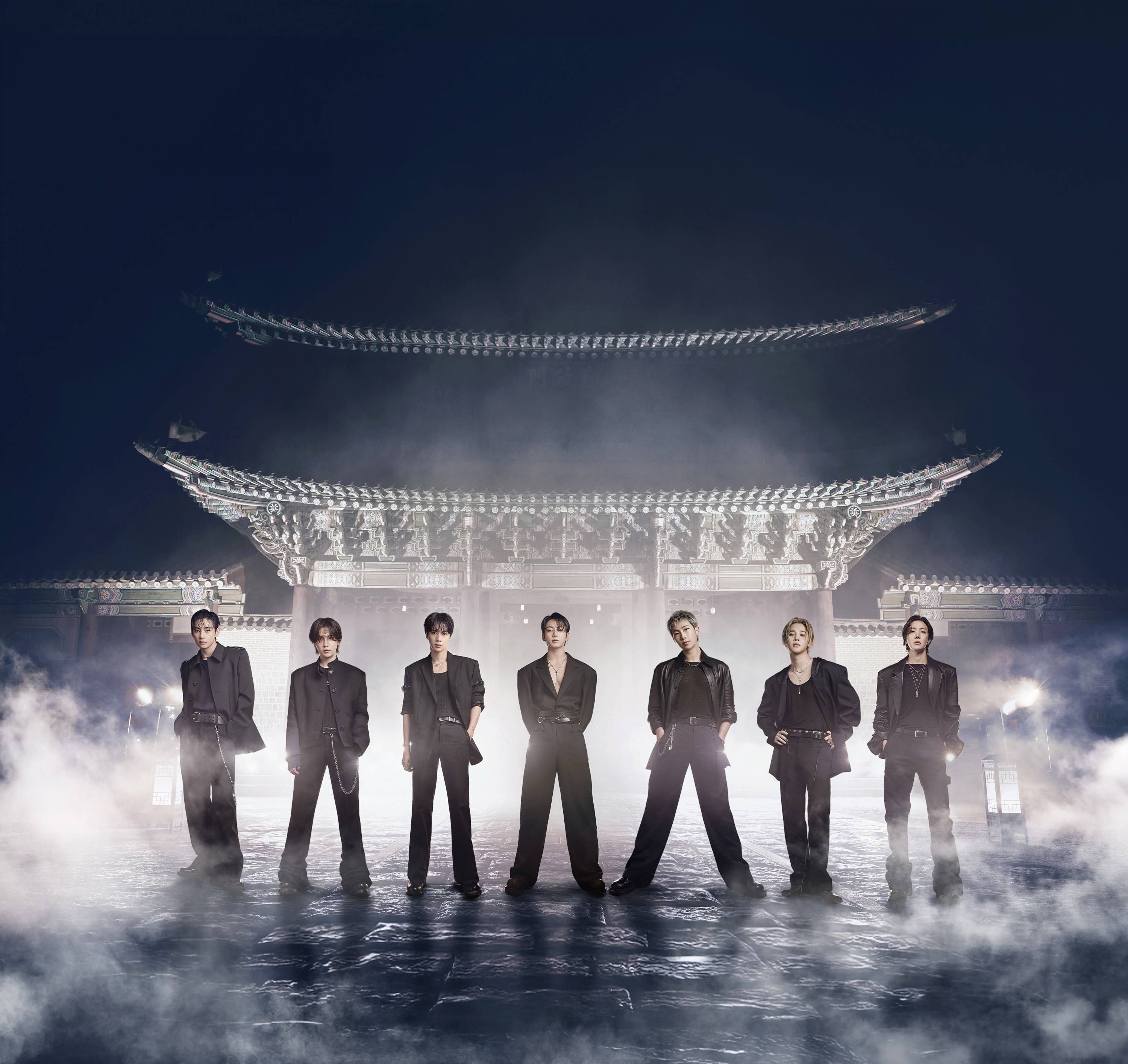
As Seventeen secures their fourth consecutive million-seller certification in Japan, it’s time to look back at the decade-long journey that transformed a small-label underdog into an unstoppable force in the world's second-largest music market.
From Survival Kits to Stadium Staples
To understand the magnitude of Seventeen’s recent achievement—their fourth official 'Million' certification from the Recording Industry Association of Japan—we have to rewind to the days when they were famously dubbed the 'survival idol' group. Unlike their peers from the Big 3 agencies, Seventeen debuted under a relatively modest company, Pledis Entertainment, with a narrative built on self-production and sheer grit. Their initial entry into the Japanese market wasn't an overnight explosion of success; it was a slow-burn strategy defined by rigorous touring in intimate venues. This recent milestone isn't just another shiny trophy for their mantle; it is the ultimate validation of a decade-long grind that saw them evolve from performing in small halls to selling out the Nissan Stadium, a feat only a handful of international acts have ever accomplished.
The Anatomy of a Japanese Market Takeover
What makes this fourth million-seller mark so significant is the sustainability of their growth. In the volatile K-pop industry, peaking early is a common risk, but Seventeen has done the opposite. By consistently tailoring their Japanese releases to resonate with local sensibilities while maintaining their signature performance-heavy identity, they have cultivated an incredibly loyal fan base, or CARATs, that treats every release like a major cultural event. Unlike many artists who struggle to break the barrier between 'K-pop fan' and 'mainstream listener' in Japan, Seventeen has effectively blurred those lines. Their ability to secure million-seller status repeatedly in Japan—a market that still heavily prizes physical album sales—signals that they have transitioned from being a K-pop export to a household name in the J-pop ecosystem.
The Longitudinal Power of the 'Self-Producing' Narrative
If we chart the trajectory of their career, we can see a clear pattern: each major milestone has been fueled by the evolution of their internal creative autonomy. From their early days of learning to write their own tracks because they lacked the budget for outside hitmakers, to the recent era where they possess the creative leverage to shape their own stadium-tour narratives, Seventeen’s career arc is a masterclass in artist development. This fourth Japanese million-seller certification acts as a bridge between their 'youthful ambition' phase and their current 'global icons' era. It proves that the music industry, despite its relentless pace, rewards the consistency of a group that has stayed true to its core identity as musicians who create their own path rather than following the industry trend-cycle.
The Post-Military Blueprint: Planning for Longevity
We are currently in a fascinating window of time where many veteran groups are navigating the 'military hiatus' transition, including the global juggernauts of BTS. While the industry is often gripped by anxiety over how groups will survive the gaps in their schedules, Seventeen’s current momentum offers a blueprint for stability. By solidifying their status as million-sellers across multiple territories, they have created a brand so robust that it can withstand the natural ebbs and flows of a 10-year career. They aren't just selling albums; they are selling a cultural phenomenon that has become deeply embedded in the lives of their fans, ensuring that even as individual members begin their personal service, the 'Seventeen' brand remains a constant, immovable fixture in the charts.
Setting the Stage for the Next Decade
What comes after achieving these consistent millions? For a group like Seventeen, the future is likely not about just chasing higher numbers, but about cultural legacy. They have already conquered the sales data; now they are in the position of influencers who dictate the direction of the industry's creative output. As they look toward the next phase of their career, the challenge will be to balance this massive commercial scale with the intimacy that originally drew fans to their music. With this latest certification, they’ve proven that the 'Seventeen magic'—a blend of high-octane choreography and relatable, emotional songwriting—is not only scalable but capable of enduring for years to come. They have set a bar so high that the only competition left is their own previous records, a testament to a group that has truly become a cultural institution.
Source Article: Read the original Korean news here
#SEVENTEEN #CARAT #KPOP #JapanMusicMarket #MillionSeller #SeventeenComeback #KpopTrends #MusicIndustryAnalysis #BTS #GlobalIdols