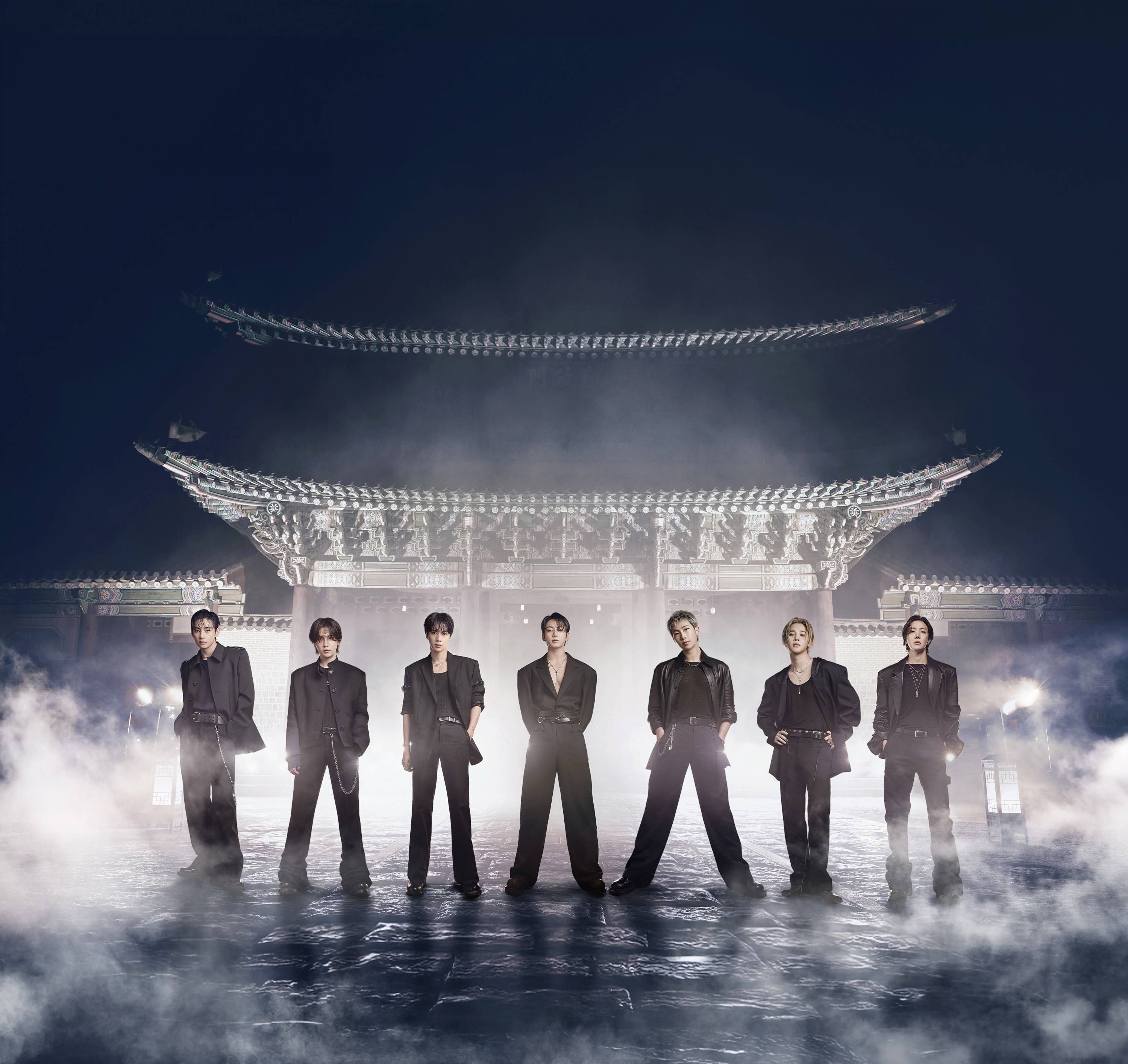
The KOSDAQ Rollercoaster: Why K-Pop Investors Are Holding Their Breath
The recent market movement on the KOSDAQ, which triggered a buy-side sidecar as the index approached the 840-point threshold, feels like a familiar script rewritten for the modern era. While a sidecar is technically a market stabilization mechanism designed to halt volatility, its recent invocation in the context of entertainment stocks suggests that the sector has graduated from being a niche interest to a volatile, high-stakes battlefield. Unlike the tech sector or traditional manufacturing, K-pop stocks move on the wings of fan sentiment and corporate restructuring, making these market swings less about raw economic data and more about the collective heartbeat of the fandom.
Mirroring the Past: The 2021 HYBE Listing Comparison
To understand the gravity of today’s market activity, we have to look back at the 2021 HYBE IPO phenomenon. When HYBE first hit the market, the volatility was driven by pure speculative euphoria—a classic 'buy the rumor' scenario based on the unstoppable momentum of BTS. Today’s situation, however, is fundamentally different. While 2021 was a vertical climb fueled by singular success, today’s market swings occur in a post-BTS military service environment. The market is no longer pricing in a single act; it is pricing in the structural transformation of entire agencies as they pivot from one-group wonders to complex, multi-IP portfolios. We are seeing a shift from 'emotional investing' to 'systemic hedging,' where institutional investors are reacting to quarterly reports, intellectual property expansions, and the sustainability of global concert revenue rather than just a comeback date.
Key Market Indicators: Then vs. Now
- 2021 Market Sentiment: Driven by BTS solo success and high expectations of rapid international expansion.
- Current Market Dynamics: Focused on multi-group stability, concert revenue resilience, and management diversification.
- Volatility Drivers: High sensitivity to interest rates and individual company governance changes.
- Investor Profile: Shift from retail fan-investors to a mix of institutional entities and institutionalized global funds.
From 'Fan-First' to 'Fund-First' Logic
The psychological shift within the K-pop investment community is palpable. In the past, a positive chart position or a viral tweet would send share prices soaring overnight. Today, the market capitalization of these agencies is tethered to more grueling metrics: ESG scores, digital platform revenue, and the successful navigation of global copyright law. The sudden activation of the sidecar—essentially a 'time-out' for the market—is a stark reminder that K-pop has become a systemic pillar of the Korean economy. When entertainment giants stumble or surge, the ripple effects are felt across the entire KOSDAQ index, proving that idols are now as vital to national fiscal health as semiconductors or automotive exports.
The Sustainability Paradox: Can Idols Carry the Index?
One has to ask: is this volatility a sign of a maturing industry or a dangerous bubble? The difference between the volatile spikes we saw during the peak of the third-generation idol era and today’s market sensitivity is the presence of institutional guardrails. Back then, a group’s hiatus could lead to a massive sell-off; today, agencies are diversified enough to weather the absence of their biggest stars. However, this diversification comes with a high price tag. Managing multiple rosters, global concert tours, and digital ventures requires massive capital expenditure. The market's reaction today—a brief, frantic surge—signals that investors are still learning how to value a company that is essentially selling 'cultural intangibles' rather than physical goods.
Looking Ahead: Navigating the 840 Threshold
As the index dances around the 840-point mark, the message to K-pop stakeholders is clear: the industry is no longer just playing for the charts, but for the fiscal calendar. While fans worry about line distributions and concept photos, the boardrooms are looking at yield curves and institutional inflow. The next quarter will likely be a litmus test for whether the 'K-Pop Portfolio' strategy is truly resilient or if it remains highly sensitive to macro-economic tremors. For the average fan, the KOSDAQ might look like a sea of confusing numbers, but for the industry at large, it is the new stage upon which the next decade of K-pop dominance—or struggle—will be decided. The era of the 'emotional stock' is fading, replaced by the reality of the high-stakes corporate machine.
Source Article: Read the original Korean news here
#KPOP #KOSDAQ #BTS #HYBE #KPOPStock #MarketNews #FinancialAnalysis #KpopIndustry #InvestInKpop #EconomicTrends