The Currency of Rumor: When Digital Noise Threatens Brand Stability
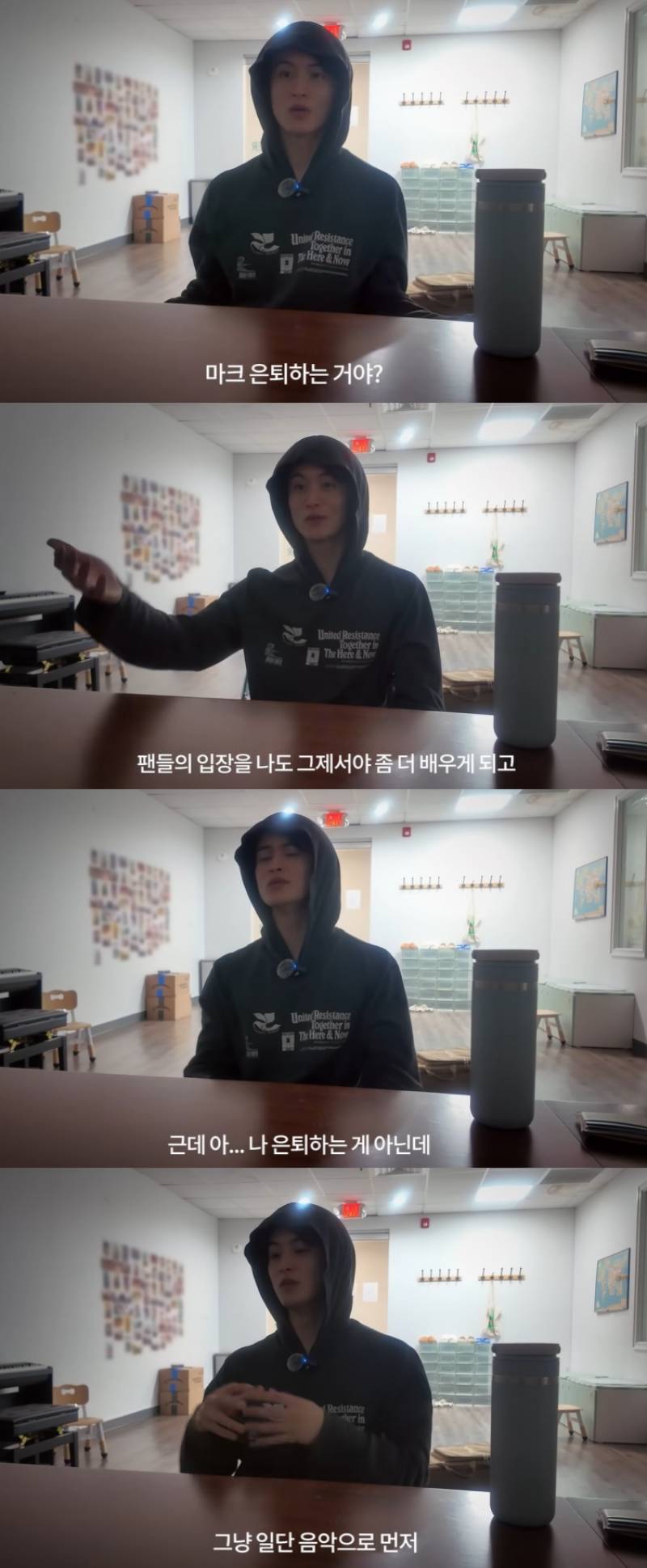
In the high-stakes ecosystem of K-Pop, the word 'retirement' is rarely spoken, and when it is, it acts like an economic shockwave. When news recently circulated that NCT’s Mark Lee—a cornerstone of SM Entertainment’s global strategy—might be contemplating an exit, the immediate panic among fans wasn't just sentimental; it was a market-driven reflex. Within the K-Pop industry, artists like Mark represent massive intellectual property assets. For investors and stakeholders, any suggestion of an early departure from a central figure isn't just about a lineup change; it's a potential devaluing of the brand's long-term touring, streaming, and merchandise revenue streams. The speed at which Mark had to directly address and debunk these rumors underscores a critical reality: in the age of 24/7 digital connectivity, the 'idol exit' narrative is the most volatile variable in an agency’s risk management portfolio.
Quantifying the 'Ace' Factor: Mark’s Unique Value Proposition
To understand why this rumor gained so much traction, one must look at Mark’s trajectory across NCT 127, NCT Dream, and SuperM. He isn't merely a vocalist or a rapper; he is the connective tissue of the NCT brand identity. Industry analysts often categorize performers into 'visuals,' 'vocals,' or 'performers,' but Mark functions as a multifaceted commercial engine. His ability to anchor diverse sub-units while maintaining high-tier chart performance makes him a 'pivot player' in SM Entertainment’s strategic planning. If an artist with his level of output were to retire, the impact on SM’s market share and portfolio stability would be profound, potentially requiring a complete restructuring of the NCT unit's promotional cycle.
- 2016-Present: Instrumental in the successful scaling of the NCT sub-unit expansion strategy.
- Multi-Unit Synergy: Mark is one of the few idols to successfully cross-pollinate fanbases between NCT 127 and NCT Dream.
- Brand Influence: High-level engagement metrics indicate his participation is a key driver for international brand sponsorships.
- Strategic Security: His direct denial of the rumor served as an immediate market correction, preventing a dip in domestic and global sentiment.
The Myth of the 'Burnout' Narrative and Agency Strategy
The recurring fan suspicion that idols are 'retiring' or 'quitting' often stems from a lack of transparency in contract renewal cycles and the grueling pace of the industry. However, from a business perspective, agencies are increasingly investing in 'long-tail' idol management. The goal is to evolve from 'idols' to 'artists' who can sustain 10-20 year careers, similar to legacy acts in the West. Mark’s quick response wasn't just a personal update; it was a strategic signaling to the market that he is committed to the long-term roadmap. This type of communication is becoming essential for agencies to maintain investor confidence in an era where fan speculation can turn into a viral 'sell' signal for stock prices.
Sustainability in the Post-Peak Era
Why are fans so protective of these narratives? The current K-Pop landscape is defined by a 'Fear of Missing Out' (FOMO) culture, where the lifecycle of a group is constantly under scrutiny by the digital rumor mill. When fans read about potential retirements, they are essentially projecting their anxiety about the finite nature of group success onto the idol. But as we move toward 2026, the industry is shifting toward a model where artists like Mark have more creative agency and control over their output. Rather than a binary choice between 'idol' and 'retired,' the new standard is sustainable artistry—where artists transition into roles as producers, soloists, and creative directors within their own companies, ensuring that the brand equity they built remains intact for years to come.
Source Article: Read the original Korean news here
#NCT #MarkLee #KPopBusiness #SMEntertainment #IdolManagement #KPopIndustry #NCTDream #NCT127 #KPopNews #BrandValue