From Viral Trinkets to High-Luxury Stakes
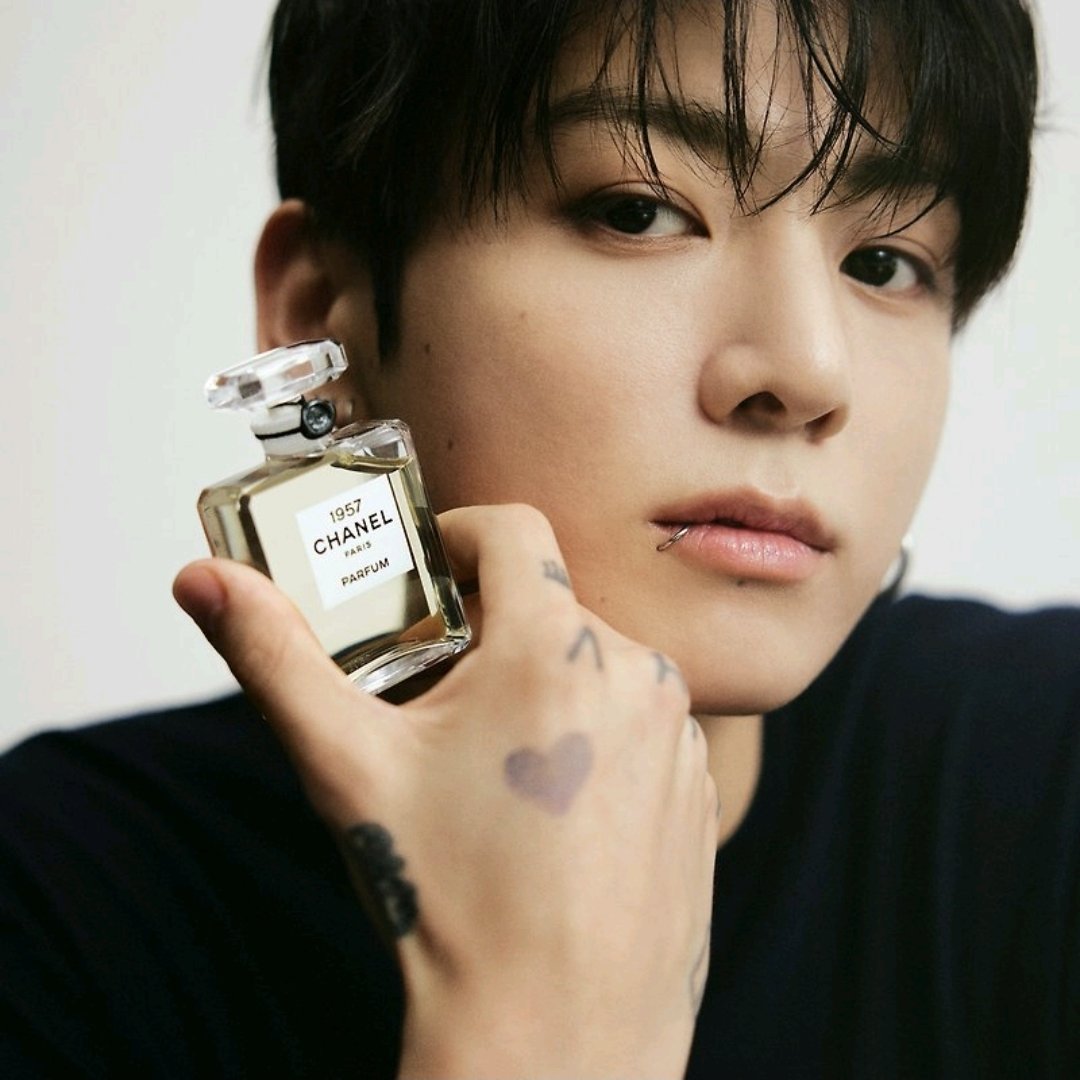
The news that BTS’s Jungkook has triggered a global sell-out of Chanel’s '1957' fragrance is more than just another chapter in the legend of his marketing prowess; it’s a fundamental shift in the economics of idol influence. For years, the 'Jungkook Effect' was characterized by the 'everyday'—the kombucha, the downy fabric softener, or the candles that fans could easily replicate. However, the pivot to a prestige luxury item like Chanel represents a move toward a more sophisticated, high-barrier-to-entry brand partnership model. Unlike his previous viral hits that were based on accessibility and relatability, this instance proves that Jungkook’s power has transcended the 'sold-out' novelty phase and solidified his position as a legitimate luxury fashion catalyst.
Decoding the Shift: How This Compares to the Past
To understand why this Chanel moment is unique, we have to look back at the BTS x McDonald’s or the early days of their FILA partnerships. Those collaborations were built on mass-market volume and global accessibility; the goal was to put a BTS-branded product in the hands of every fan. When we compare that to current luxury endorsements—like Jimin with Dior or V with Celine—we see a transition from 'broadcasting' to 'curating.' The '1957' fragrance sell-out highlights that the modern K-pop fan base is now willing to invest in high-end, aspirational luxury rather than just entry-level merchandise. It’s no longer about whether fans can buy the product; it’s about the status and identity associated with the item they choose to champion.
The Logistics of Luxury Demand
- The '1957' Catalyst: A fragrance historically known for its niche exclusivity is now seeing unprecedented traffic spikes.
- Platform Power: Unlike the 'kombucha' era, this spike is being driven through multi-channel digital footprints, including global e-commerce analytics.
- Consumer Psychology: The shift from 'fast-consumption' to 'prestige-ownership' among the ARMY demographic.
- Market Strategy: Moving away from mass-retail availability toward the high-margin, high-luxury retail sector.
Is the 'Idol-as-Influencer' Model Changing?
We are witnessing a fascinating divergence in how K-pop idols leverage their reach. While some groups continue to dominate through mass-market partnerships—think of EXO’s recent coffee chain collaborations—Jungkook and his peers are increasingly leaning into the 'High-Art' marketing strategy. By aligning with a heritage brand like Chanel, Jungkook is distancing himself from the 'fast-moving consumer goods' (FMCG) labels that defined his early career. This isn't just about moving product; it's about brand positioning. By creating scarcity for a luxury item, the label and the artist are effectively creating a 'waitlist culture' that mirrors the exclusivity seen in major fashion houses during Paris or Milan Fashion Week.
The Psychology of the 'Sold-Out' Digital Footprint
Why does this happen so consistently? It stems from the unique relationship between the artist’s personal aesthetics and the fan’s desire for proximity. Unlike traditional Hollywood endorsements where the celebrity is a 'face' for the brand, the K-pop fan interprets an idol's usage of a product as an invitation into their private life. When Jungkook is spotted with a specific scent, it creates a sensory association that is far more intimate than a billboard advertisement. This is why the '1957' fragrance isn't just selling; it is being aggressively chased by collectors who view the product as a piece of the artist's personal lifestyle curation.
The Future: What This Means for BTS and the Industry
Looking ahead, we should expect more 'niche-luxury' moves from members of BTS as they continue their solo endeavors. This strategy is perfectly suited for the post-hiatus era where quality and long-term brand association matter more than fleeting viral moments. The industry is watching this closely, as it sets a new benchmark for what a 'successful' campaign looks like. It’s not just about the number of units sold; it’s about the cultural prestige of the brand partner. If the '1957' fragrance can vanish from shelves in hours, imagine the impact of full-scale house ambassadorships. The 'Jungkook Effect' has officially grown up, and it’s now playing in the major leagues of luxury retail.
Source Article: Read the original Korean news here
#BTS #Jungkook #Chanel1957 #KpopMarketing #IdolEconomy #LuxuryKpop #TheJungkookEffect #BTSNews #FashionEconomics #KpopTrends