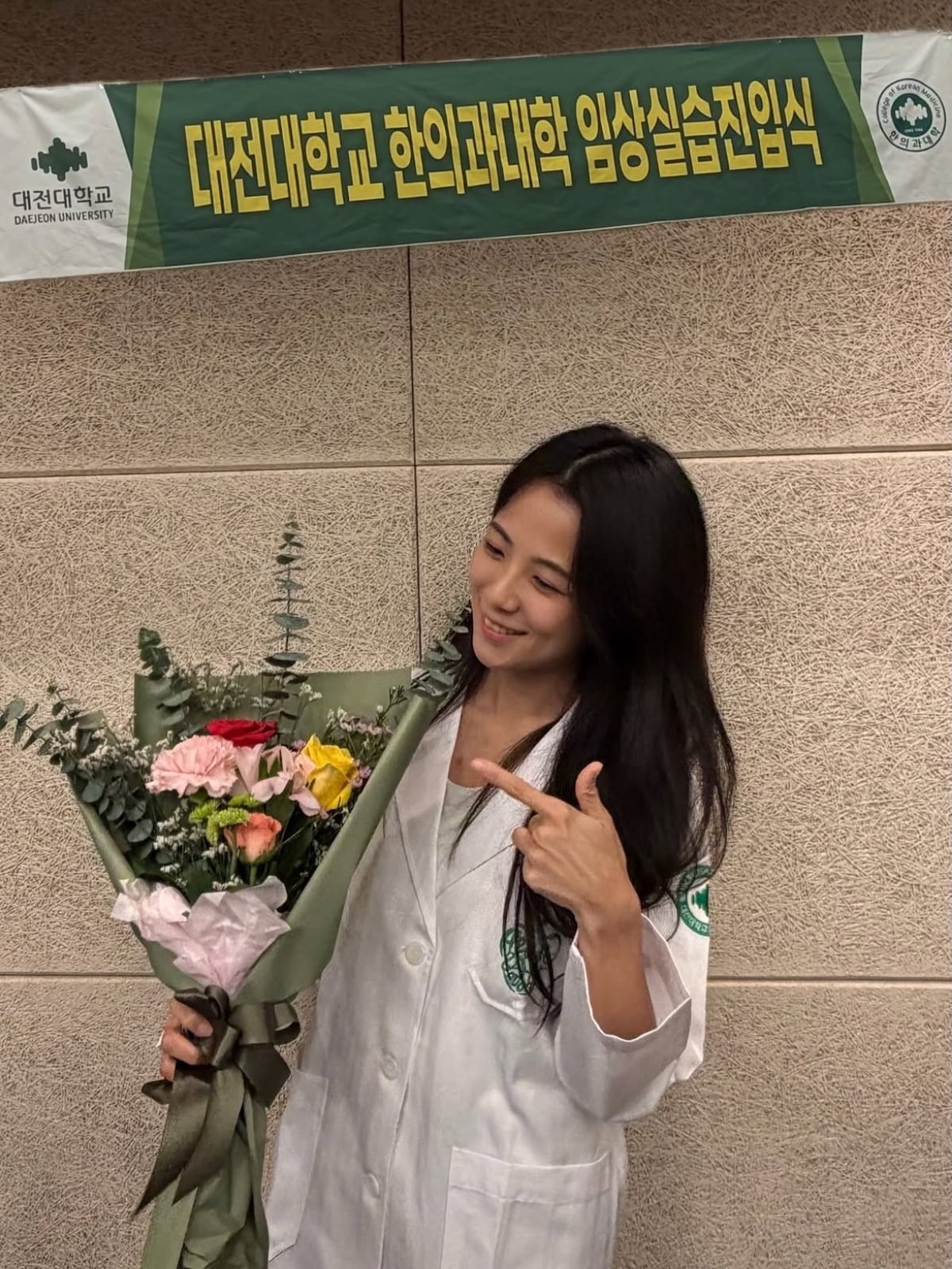
The Monetization of Relatability: Beyond the Idol Training System
In the evolving landscape of K-pop brand marketing, we are witnessing a fascinating shift: the rise of the 'Influencer-Idol'—figures who gain traction not through the grueling trainee system, but through high-engagement reality television. The recent discourse surrounding '6th Gen Ok-soon' from the dating reality show I Am Solo, often dubbed the 'Jisoo lookalike,' serves as a perfect case study. While traditional agencies spend millions on debut marketing, the modern brand power of these figures is built on the foundation of parasocial intimacy. By capturing the public's attention through raw, unscripted reality interactions, these personalities achieve a level of market penetration that mirrors the rapid rise of top-tier idols, effectively bypassing the traditional barriers to entry in the entertainment industry.
Decoding the 'Visual Asset' Strategy in K-Pop
The recurring obsession with visual comparisons—such as the constant pitting of new influencers against established stars like BLACKPINK’s Jisoo—is not merely superficial; it is a calculated business metric. Agencies and advertisers understand that brand association with established icons allows for instant consumer trust. When a rising star is branded as a 'lookalike,' they inherit a portion of the cultural capital associated with the original star. This phenomenon, which I call the Visual Derivative Effect, acts as a shortcut to audience recognition. In an industry saturated with content, these visual proxies allow brands to leverage the 'halo effect' of global idols without the astronomical costs of talent acquisition, proving that physical appearance remains one of the most potent intangible assets in show business.
The Shift Toward 'Authentic' Engagement
Why does the public fixate on 'good news' updates from reality TV stars? It stems from a hunger for the authentic narrative that standard idol promotions often lack. While K-pop stars are meticulously managed, reality stars offer a perception of 'real life' evolution—announcements of new projects, professional pivots, or even personal milestones. This content strategy fosters an incredibly loyal, high-conversion audience. From a business perspective, these influencers have mastered the art of community management; they don't just broadcast content; they participate in a feedback loop. By sharing their 'glad tidings'—often represented by symbols of success like flower bouquets—they validate their fans' investment, turning simple updates into high-engagement marketing events that drive digital footprint growth.
The transition of reality television figures into mainstream brand ambassadors highlights a pivotal evolution in K-pop strategy: the shift from manufactured perfection to curated, 'authentic' influencer power that captures high-value, niche demographics.
The Sustainability of the Reality-to-Icon Pipeline
Can this momentum be sustained? The data suggests that while the initial spark of reality TV fame is explosive, the longevity of influence depends on the transition from 'momentary sensation' to 'professional brand entity.' We see many reality figures attempting to pivot into modeling, acting, or commercial endorsement, essentially performing a rebranding maneuver to escape the 'reality show' label. For fans, this is a transition phase where they witness the evolution of an individual into a commercial powerhouse. This trajectory is remarkably similar to how 4th and 5th Gen idols are now being managed: focusing on multi-platform utility where the artist is an influencer first and a performer second. The success of these figures proves that today’s market values the *accessibility* of the artist just as much as their vocal or dance prowess.
Industry Implications and Future Trajectories
Looking ahead, we can expect to see more cross-pollination between reality TV platforms and agency recruitment pipelines. The strategic value lies in identifying individuals who have already proven they can command a dedicated fandom. For agencies, signing a pre-vetted, high-engagement personality is a risk-mitigation strategy that minimizes the uncertainty of a new debut. As we watch figures like 'Ok-soon' leverage their social media brand equity to secure sponsorships and media appearances, it is clear that the definition of an 'idol' is becoming fluid. We are no longer looking at just performers; we are looking at integrated media brands whose power lies in their ability to bridge the gap between television, social media, and traditional celebrity culture.
Source Article: Read the original Korean news here
#KPopTrends #InfluencerEconomy #RealityTVStars #BrandStrategy #VisualMarketing #KPopBusiness #DigitalEngagement #JisooEffect #EntertainmentIndustry #IdolEconomy