What happens when a global gaming giant stops treating the Korean market as a target demographic and starts treating it as a creative collaborator? The recent revelations regarding the scrapped 'D.Va' prototypes—specifically Demon and Jetpack Cat—are more than just discarded assets; they are a window into a tectonic shift in how Blizzard builds its virtual worlds.
From Data-Mining Myths to Creative Intent
For years, the Overwatch community was fueled by breadcrumbs found in code files—names like Jetpack Cat were treated as internet myths or abandoned concepts that would never see the light of day. However, the recent behind-the-scenes deep dive reveals that these weren't just random, discarded ideas. They were part of a rigorous, iterative process where developers grappled with the challenge of creating a hero that felt authentically grounded in the fast-paced, high-stakes atmosphere of the Korean gaming landscape. The fact that the design team spent significant time sketching out the mechanical intricacies of 'Demon' and the whimsical chaos of Jetpack Cat highlights a collaborative development cycle that rarely gets the spotlight. It wasn't about laziness; it was about the agony of choosing which version of an 'icon' best represented the identity of a player base that has been the backbone of the game since its 2016 inception.
The 'Korean Sensitivity' Mandate in Design
When the developers explicitly mentioned wanting to bake 'Korean sensibility' into their upcoming content, they weren't just paying lip service to the lucrative PC Bang culture. They were referencing the subtle art of 'appealing character design'—a concept that balances high-octane action with the specific aesthetic preferences that resonate in Seoul. This pivot signifies a move away from the traditional, Western-centric design philosophy of Blizzard’s early days. Instead, we are seeing a co-creative evolution where developer feedback loops are now heavily influenced by the hyper-competitive trends observed in the Korean esports scene. By analyzing why certain hero archetypes succeed in the domestic market, the team is now retroactively applying these lessons to create a more localized, emotionally resonant gaming experience that feels less like a product and more like a cultural dialogue.
Beyond the Render: The Emotional Stakes
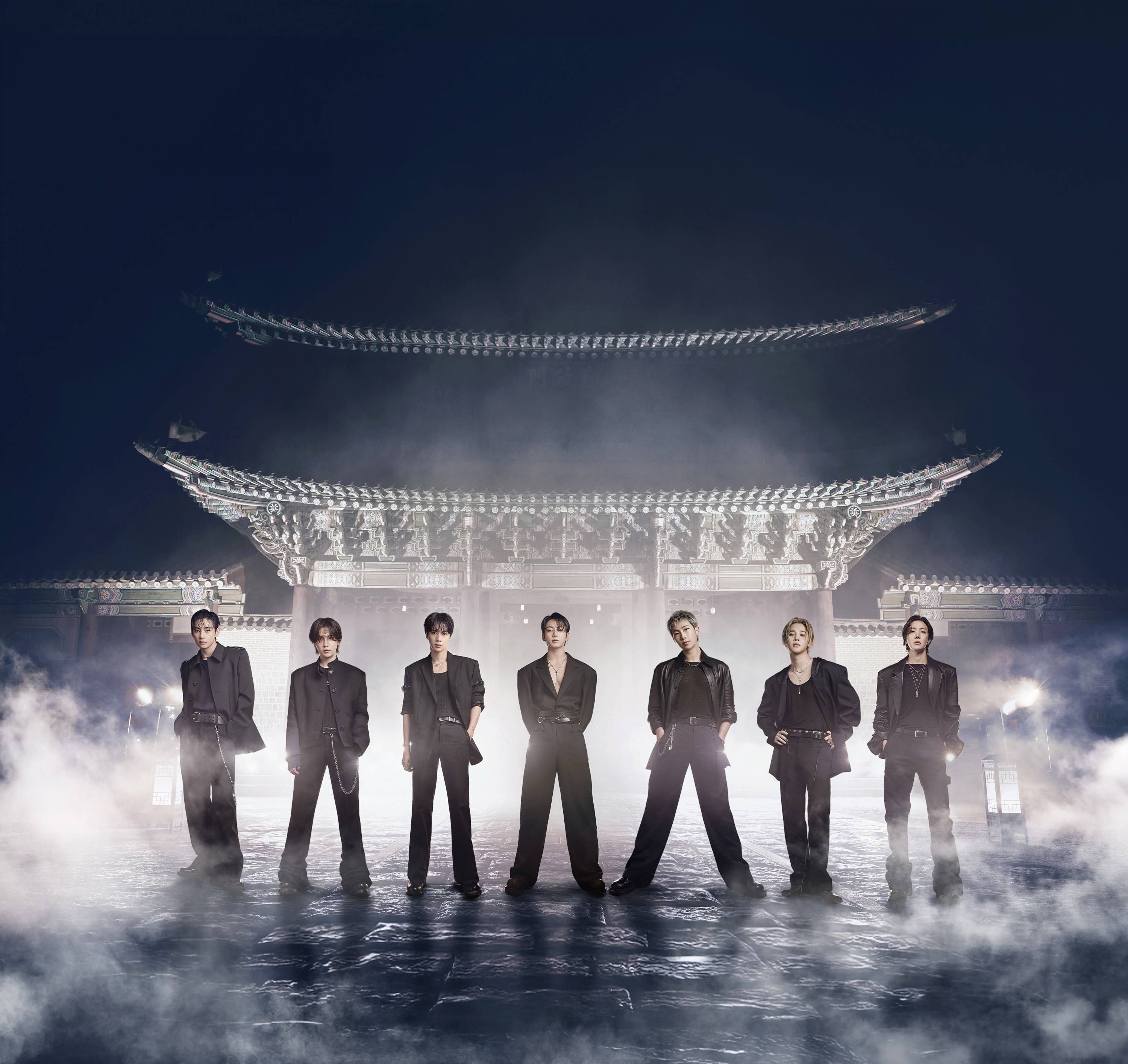
The history of these concepts is deeply intertwined with the BTS-fandom-level dedication that the Korean community has shown the franchise. Many fans don't realize that the rejection of early, 'edgier' hero designs in favor of more vibrant, personality-driven archetypes was a direct result of wanting to mirror the 'idol' energy that dominates Korean pop culture. The creators recognized that in Korea, a hero isn't just a combat unit; they are a cultural brand. The behind-the-scenes struggles to integrate the right 'vibe' into the engine speak to a deeper respect for the nuance of Korean gaming tropes. It is this specific intersection—where the technical constraints of game development meet the high-fashion, high-energy expectations of K-Pop inspired fandoms—that is currently driving the next wave of game design innovations at Blizzard.
The Iteration Fatigue: Why Concepts Stay Shelved
It’s important to look at why these specific concepts stayed under wraps for so long. The production context reveals a 'fail-fast, learn-faster' mentality that defines modern triple-A development. By shelving characters like Demon or the original Jetpack Cat, the team avoided the 'clutter' that often plagues live-service games. This is a strategic curation process. Just as K-Pop groups go through rigorous trainee periods where dozens of potential 'concepts' are discarded before the final debut, the Overwatch design team is treating their character library with that same level of scrutiny. The goal isn't just to add more, but to ensure that every new piece of content reflects a deep understanding of the player's evolving identity, proving that they are finally listening to the pulse of their most loyal community.
The Roadmap for Future Fandom Engagement
Looking ahead, we can expect this 'Korean-first' lens to dictate the creative roadmap for future seasons. It is no longer enough to have a hero with high mobility or heavy damage; they must possess that 'spark' that creates a fandom-driven narrative. The developers are clearly moving toward a model where they invite community feedback much earlier in the pipeline, effectively treating the player base as the final creative editors. This paradigm shift—where the distance between the coder in California and the player in a Seoul PC Bang is effectively erased—is the most exciting development in the game's history. It’s not just about patches or balancing; it’s about ensuring that the next Overwatch icon feels as familiar and iconic as an idol group’s next comeback release.
Source Article: Read the original Korean news here
#Overwatch2 #KPOP #GamingCulture #BlizzardEntertainment #DVa #KoreanGamers #GameDevelopment #Esports #Hallyu #GamingTrends