Why is the Han River Becoming a Strategic K-Pop Landmark?
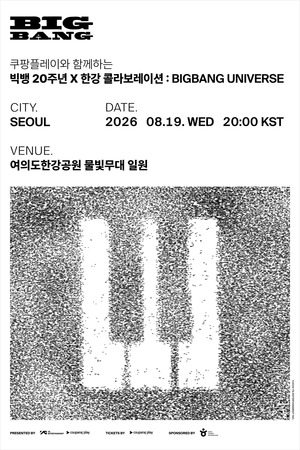
For years, international fans have flocked to Seoul with checklists full of coffee shops, agency buildings, and music show venues. But recently, a shift is occurring: the Han River—once just a scenic park—is being reimagined as a central stage for massive, high-profile K-Pop cultural events. By moving away from indoor concert halls and onto public riverside stages, the industry is pivoting toward an open-air, festival-style experience. This isn't just about hosting a concert; it’s about branding Seoul as a cultural tourism powerhouse. When landmarks like the Han River become synonymous with legendary moments—like the upcoming BIGBANG 20th-anniversary discussions—the city effectively turns its geography into a massive, living fan experience center.
Decoding the Logistics: What Does This Mean for the 'Big Event' Model?
The logistics behind staging a major milestone celebration in a public space like the Han River are infinitely more complex than a standard arena show. It requires a delicate balance of urban infrastructure, public safety, and environmental stewardship. Fans often ask: Why prioritize a riverside park over a specialized stadium? The answer lies in accessibility and the 'Seoul vibe.' An outdoor event allows for a broader, more inclusive festival atmosphere that bridges the gap between die-hard fandoms and casual tourists. It transforms a private celebratory moment into a public cultural monument, making the event feel like a city-wide festival rather than just a commercial ticketed show.
- Strategic Location: The Han River provides a scenic, iconic backdrop that boosts Seoul's global visual branding.
- Audience Scale: Riverside parks accommodate significantly larger crowds, perfect for milestones like 20th anniversaries.
- Hybrid Tourism: These events turn 'K-Pop travel' into a holistic experience, combining music, nature, and the local culinary scene.
- Community Impact: By leveraging city spaces, organizers can integrate public arts programs and interactive fan zones that aren't possible in fixed indoor arenas.
Q&A: The Burning Questions from the Global Fandom
I’ve been tracking the chatter across various fan forums, and it’s clear the global community has questions. First: Is this a permanent shift for milestone events? It seems likely. As groups reach their 15th or 20th anniversaries, their legacy requires a stage that feels as grand as their career history. Second: What about the 'BIGBANG 20th' hype? While details are still crystallizing, the conversation around the Han River suggests a celebratory, multi-dimensional event that honors their massive impact on the Hallyu Wave. Third: How does this affect tourism? It creates a 'destination-first' mentality, where the physical location becomes a permanent 'must-visit' spot, similar to how fans visit the BTS bus stop in Jumunjin. Finally: Will this become the new standard for legacy acts? Absolutely. When you've achieved global icons status, the stadium is no longer enough; you need the city itself to be your backdrop.
From Pop-Up to Monument: The Future of K-Pop Tourism
We are witnessing the industrialization of memories. By curating events that are tied to specific physical locations along the Han River, agencies are creating permanent tourism anchors. This is a brilliant shift from the 'disposable' nature of pop-up events. Once the stage is dismantled and the music stops, the river remains. For fans, these sites become places of pilgrimage where they can re-experience the energy of their favorite artists' milestones. It’s a move toward sustainable fandom infrastructure—ensuring that the investment in a 20th-anniversary celebration pays dividends in tourism and brand identity for years to come. The era of the simple concert is fading; the era of the cultural landmark event has arrived.
Source Article: Read the original Korean news here
#KPOP #HanRiver #SeoulTourism #BIGBANG20th #Hallyu #KPopLandmarks #SeoulTravel #KPopNews #KPopCulture #BTS