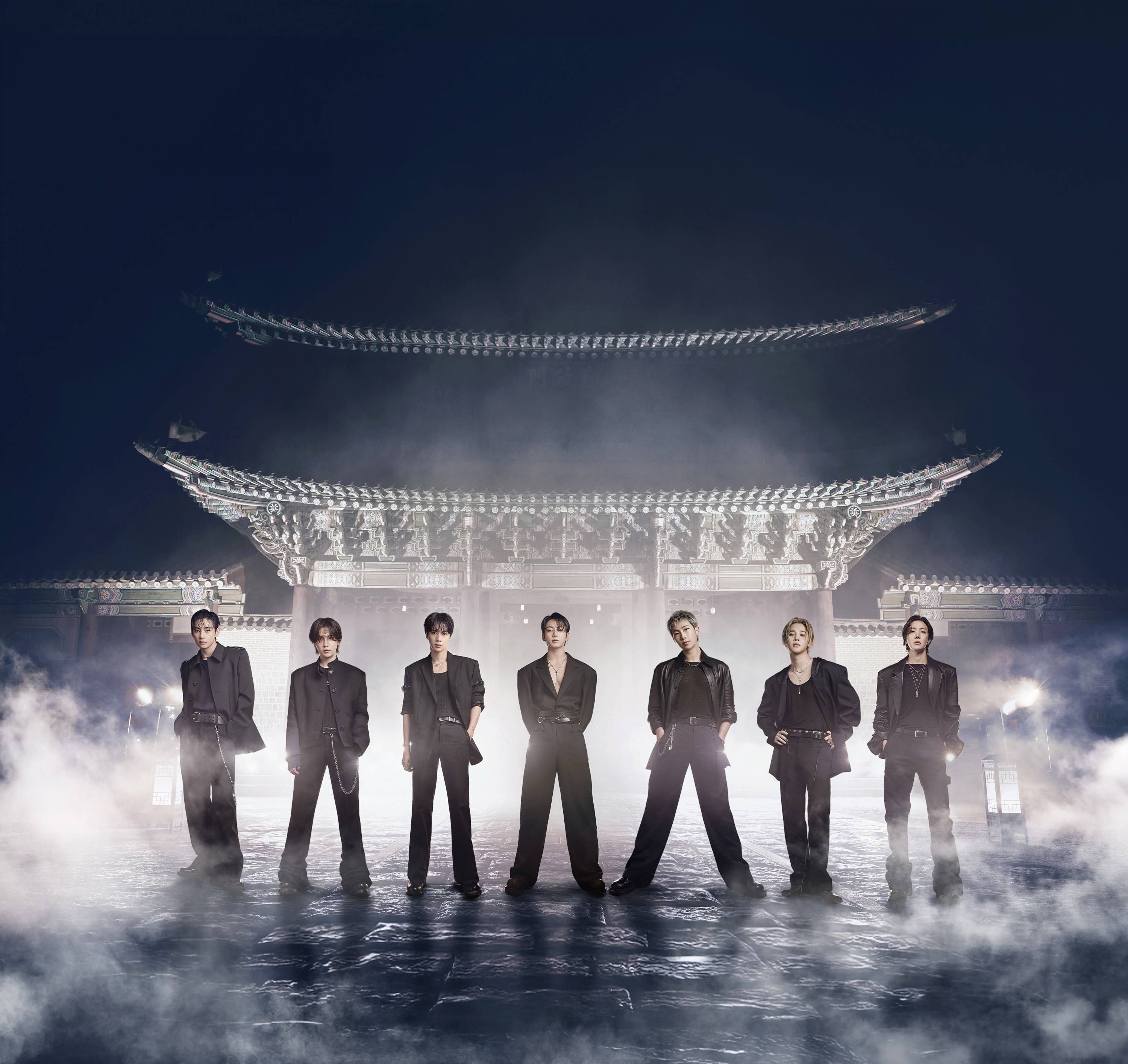
Beyond the Trophy: The Structural Bias of Western Awards
When we look at the history of BTS and the Recording Academy, the narrative has shifted from mere 'snubs' to a broader conversation about the commodification of culture. For years, the industry operated under the assumption that Western validation was the final frontier for K-Pop success. However, the discourse surrounding BTS’s intentional distance from these award ceremonies signals a maturing of the artist-agency dynamic. It isn't just about losing a category; it's about recognizing that the ‘Diversity’ tokenism often employed by Western institutions rarely translates into genuine equity for non-English language acts. By stepping back, BTS is essentially telling the industry that their brand value is no longer tethered to the gatekeepers of legacy music institutions.
Decoding the 'Diversity' Paradox
The 'diversity' argument used by organizations like the Grammys often functions as a double-edged sword. While it invites K-Pop into the fold for viewership and social media metrics, it simultaneously cages these artists in 'genre-specific' boxes that limit their ability to compete in major categories. This is a classic structural liability for a group that has moved beyond the label of a 'boy band' to become a global cultural force. When an artist is invited to perform but excluded from the main awards, the business move is clear: the institution wants the viral reach of the fandom without granting the artist the seat of institutional power. This creates a friction point that forces agencies like HYBE to rethink their international award strategies—prioritizing regional market impact over the diminishing returns of Western award recognition.
Strategic Autonomy: Why the Boycott is a Business Move
From an industry analysis perspective, this detachment is a calculated risk. By opting out, the group maintains their artistic dignity and pivots focus toward their solo endeavors and long-term legacy. This is a masterclass in modern K-Pop management. Instead of begging for seats at a table that doesn't fully understand their market dynamics, they are building their own table. We are seeing a shift where fan engagement metrics—which have always been the heartbeat of K-Pop—are proving to be more influential and profitable than traditional industry accolades. When chart performance in the US can be driven by a dedicated, hyper-engaged base rather than critical acclaim from an insular board, the Grammys' influence naturally wanes.
| Metric | Traditional Industry Expectation | The 'BTS Effect' Reality |
|---|---|---|
| Institutional Validation | Required for Global A-list Status | Secondary to Fan-Driven Legacy |
| Market Strategy | Catering to Western Critics | Prioritizing Direct-to-Fan Ecosystems |
The Economic Reality of Cultural Gatekeeping
Why does this matter for the industry? Because the K-Pop business model relies on the autonomy of the performer to build a parasocial yet highly professional relationship with the global audience. Every time a major ceremony ignores the massive numbers—both digital and physical—that groups like BTS generate, they weaken their own relevance. For investors and industry analysts, this is a clear sign that the global music hierarchy is undergoing a power shift. The traditional gatekeepers are losing their ability to dictate 'prestige.' Moving forward, we should expect more artists to challenge these systems, choosing to define success by their own terms rather than seeking approval from legacy institutions that prioritize Western-centric metrics over true global impact.
Final Thoughts: A New Era for K-Pop
As the industry watches the post-boycott era unfold, one thing is clear: the focus is shifting away from institutional optics. The success of K-Pop is no longer an experiment; it is the industry standard. By refusing to play by the outdated rules of diversity-as-a-token, BTS has effectively paved the way for future generations of artists to demand respect for their craft without needing a trophy to prove their worth. The future of global pop isn't about being included in an outdated award show—it’s about commanding a market that the show itself can no longer afford to ignore.
Source Article: Read the original Korean news here
#BTS #KPOP #GRAMMYs #MusicIndustry #HYBE #CulturalEquity #GlobalPop #IndustryAnalysis #MusicBusiness #KpopMarketing