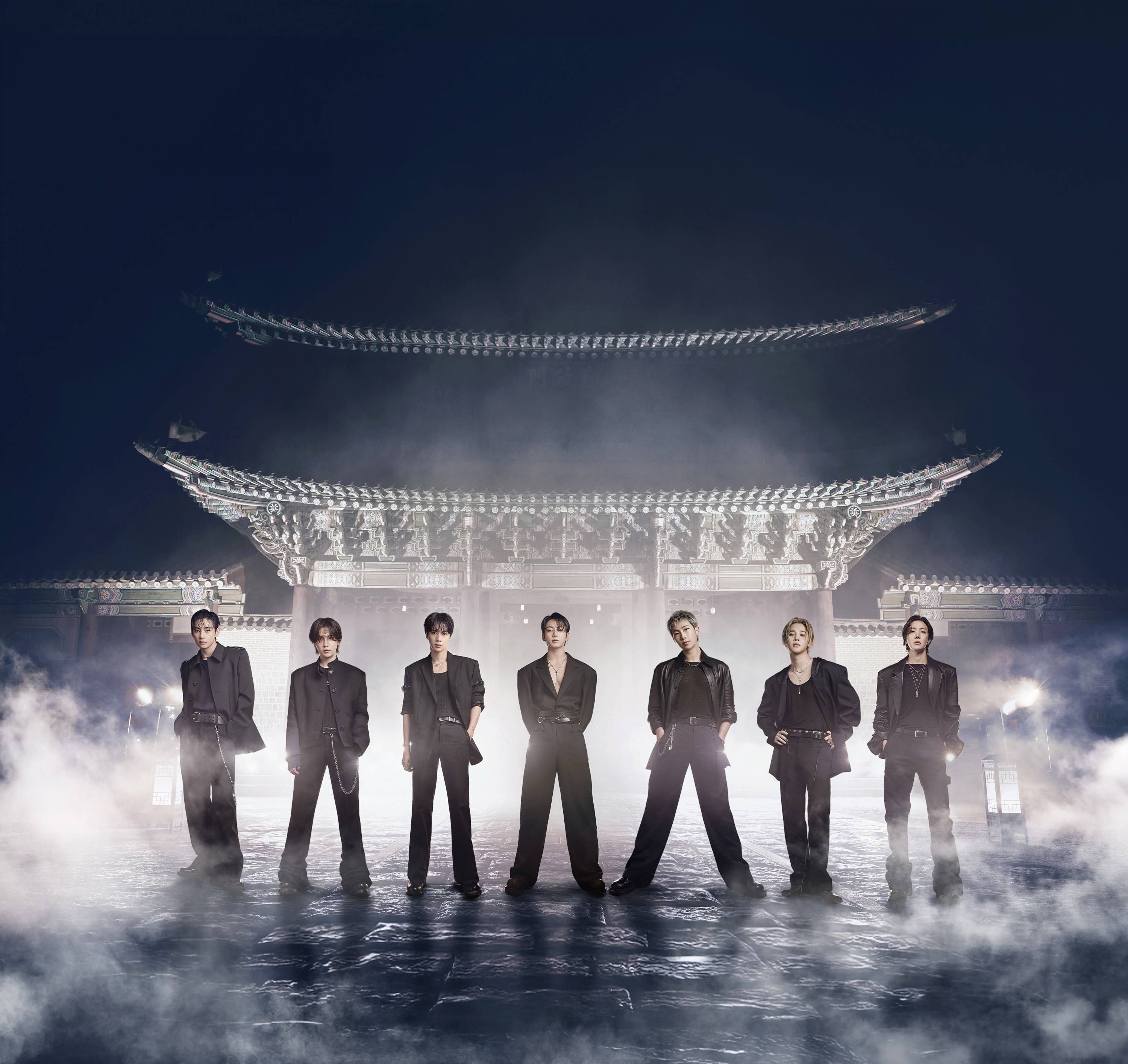
The Fear of the Global Outsider: A Deja Vu Moment
The recent discourse surrounding the Recording Academy and its historic hesitation toward K-pop powerhouses feels like a recurring scene in a long-form drama. When European voices began publicly questioning whether the Grammys were intentionally sidelining BTS to protect the 'traditional' American music establishment, it echoed the same sentiment that has been simmering in the fandom since 2018. However, what makes this current wave of criticism different isn't just the intensity—it's the origin. We are no longer just looking at fan-driven protests; we are looking at a broader, transatlantic scrutiny of the institutional gatekeeping that has long defined the Recording Academy’s relationship with non-Western acts.
Historical Parallels: From 'Dynamite' to a New Era of Scrutiny
To understand the current tension, we have to look back at the 2021 Grammy cycle, which served as the original 'teachable moment' for the industry. When BTS’s record-breaking hit Dynamite was relegated to a single, lower-tier nomination, the disconnect between the global cultural phenomenon and the industry’s recognition became impossible to ignore. Back then, the conversation was largely about 'snubs' and the feeling that K-pop was being used for clout-chasing engagement without being granted a seat at the adult table. Today, the conversation has matured. It is less about a single song and more about a systematic fear—a realization by Western critics that the 'BTS model' of fan-driven, high-quality, and genre-defying music represents a threat to the comfortable hegemony of the traditional U.S. music industry.
- 2020: The initial breakthrough; BTS makes history with their first official Grammy performance, though nominations remain minimal.
- 2021: The 'Dynamite' controversy, where record-breaking commercial success is met with lukewarm institutional recognition.
- 2022-2023: The era of total cultural dominance; the conversation shifts from 'can they perform' to 'why is the system designed to exclude them?'
- 2025/Present: European and international critics explicitly call out the 'fear' of the K-pop takeover as the primary motive for award limitations.
The Shift: Why 2025 Feels Fundamentally Different
Why does this current wave feel different from the frustrations of the past? In the past, the industry could easily brush off criticism as 'rabid fandom behavior.' But when international music critics and European outlets start using terms like cultural protectionism, the narrative shifts from emotional fan reaction to cold, analytical business critique. We are currently witnessing a shift in the global music landscape where the 'center' of gravity is no longer exclusively New York or Los Angeles. By ignoring this, the Grammys are not just insulting a boy band; they are distancing themselves from the very audience that currently dictates global streaming trends. The industry is essentially operating under an outdated software update in an era of high-speed, decentralized content creation.
Beyond the Trophy: The Power Dynamics of Modern Fandom
Ultimately, the reason this news hits harder than previous award-show slights is that we now have the data to back up the feeling of unfairness. K-pop groups like BTS haven't just 'succeeded' in the U.S.; they have forced an infrastructure overhaul. From how radio play is tracked to how digital sales are weighted, the K-pop influence has forced the American industry to constantly change its rules to try and contain the wildfire. The fear isn't that BTS will 'fail' at the Grammys—they’ve already transcended the need for a golden gramophone to validate their legacy. The fear is that the institution itself is becoming increasingly irrelevant to the new generation of listeners who see these award shows as relics of a gated, unrepresentative past.
Predicting the Future of the 'K-Pop vs. The Establishment' Narrative
As we move forward, expect this 'European critique' angle to gain steam as other K-pop acts reach BTS-level milestones. The Grammys will soon reach an inflection point: either they adapt to a truly globalized standard of merit, or they continue to suffer from a declining viewership that feels increasingly disconnected from the cultural reality of the 2020s. BTS’s impact has provided the blueprint for this structural change, and whether or not they receive the hardware they deserve, their role as the catalyst for this industry-wide transparency is, perhaps, a greater achievement than any award could signify. We are watching the slow, grinding machinery of the old world attempt to process the unstoppable energy of the new, and it is a fascinating, if exhausting, spectacle.
Source Article: Read the original Korean news here
#BTS #Grammys #KpopIndustry #MusicAwards #BTSArmy #GlobalMusic #CulturalShift #RecordingAcademy #KpopNews #MusicJournalism