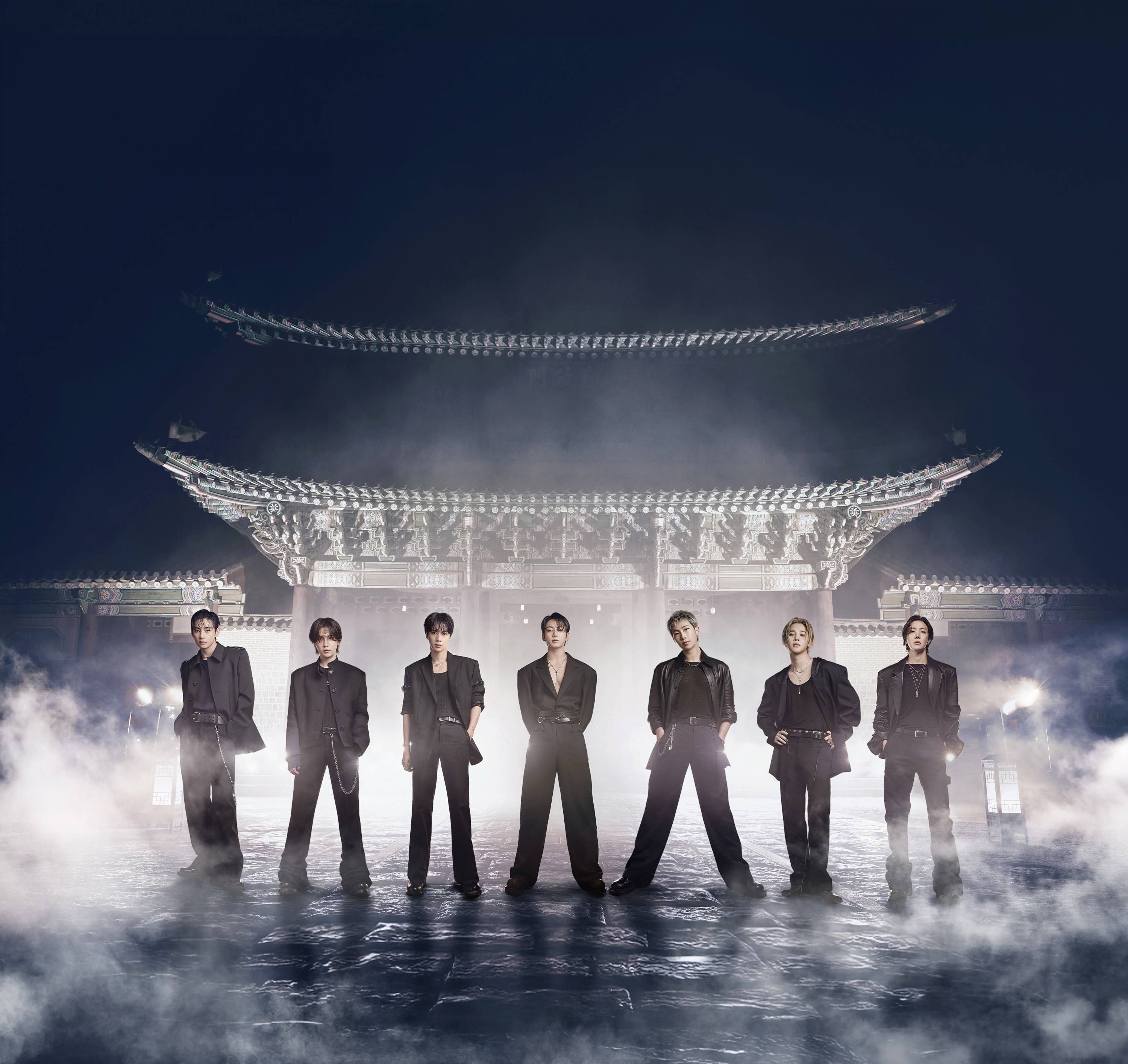
The Parallel Tracks of Global Dominance
When we talk about the Beatles in the 20th century, we are referencing a phenomenon that transcended music to become a cultural litmus test. They weren't just a band; they were a movement that forced the world to pause. Today, as we watch Stray Kids shatter international streaming records and dominate the Billboard charts, it is impossible not to draw a line between these two eras. While the delivery mechanisms have shifted—from the tactile crackle of vinyl to the infinite accessibility of Spotify—the underlying fan fervor remains identical. Stray Kids have successfully occupied that rare, rarified space where their internal creative autonomy mirrors the legendary self-production ethos of the Fab Four, signaling that the 'idol' label is no longer a constraint, but a powerhouse brand.
Beyond the Hype: The Evolution of Autonomy
To understand the magnitude of Stray Kids’ current status, we have to look back at the industry standard of the previous generation. In the early 2010s, groups were largely defined by the 'producer-to-performer' pipeline, where the agency’s vision was the primary engine. When 3RACHA, the production trio within Stray Kids, took the reins, they broke the traditional K-pop mold. This transition is strikingly similar to how the Beatles shifted from performing covers and hit-machine singles to demanding complete artistic control over their studio sound. This specific shift—moving from being 'given' hits to 'birthing' them—is exactly what has granted Stray Kids their longevity in an industry that usually chews up and spits out acts within a three-year cycle.
Sonic Signature vs. Calculated Appeal
Critics often point to the 'Beatlemania' effect as a chaotic, screaming cultural moment, but its true legacy was the sheer experimental density of their music. Similarly, Stray Kids have cultivated a soundscape that is often labeled as 'noise music' by outsiders, but deeply understood by their fanbase, STAY, as a calculated, abrasive, and highly original sonic signature. While earlier K-pop icons focused on polishing a perfect, symmetrical image for mass appeal, Stray Kids are doubling down on the 'unfiltered'—a strategy that mimics the way the Beatles refused to stay in the 'love song' lane. By prioritizing their own unique creative DNA over safe, radio-friendly trends, Stray Kids are ensuring that their legacy is built on something far more durable than just fleeting viral hits.
Cultural Impact in a Digital Borderless World
The most fascinating difference in this comparison lies in the democratization of fandom. The Beatles had to rely on television appearances and global tours to spread their influence over years. Stray Kids, conversely, have built a 'digital empire' that spans continents in seconds. They are leveraging globalized platforms to translate their niche 'self-produced' narrative into a universal language of youth empowerment. Where the Beatles represented the breaking of societal conventions in the post-war era, Stray Kids represent the breaking of systemic barriers in the digital age. They are not just selling music; they are inviting fans into a participatory ecosystem where the line between creator and consumer is perpetually blurred, making the fanbase feel like stakeholders in their historic ascent.
The Future of the 'Iconic' Group Narrative
As we look at the trajectory of Stray Kids moving into the next phase of their career, the question arises: what comes after global chart-topping success? The Beatles eventually moved toward the experimental studio sessions that changed the face of production forever. Stray Kids are currently in a similar pivot, where they are beginning to explore sub-units, solo projects, and avant-garde visuals that suggest they are not just aiming for current trends, but for timeless relevance. They have matured from being a 'project' to being a 'legacy.' By constantly reinventing their visual and auditory presentation, they have effectively immunized themselves against the 'one-hit wonder' trap that claims so many other groups. The industry is watching closely, not just because they are popular, but because they have cracked the code for a sustainable, artist-led evolution that could define the next decade of pop music history.
Source Article: Read the original Korean news here
#StrayKids #KpopHistory #3RACHA #BeatlesLegacy #KpopAnalysis #GlobalMusic #STAY #MusicInnovation #BillboardCharts #IdolEvolution