The Ghost of Choreographies Past: Comparing Then and Now
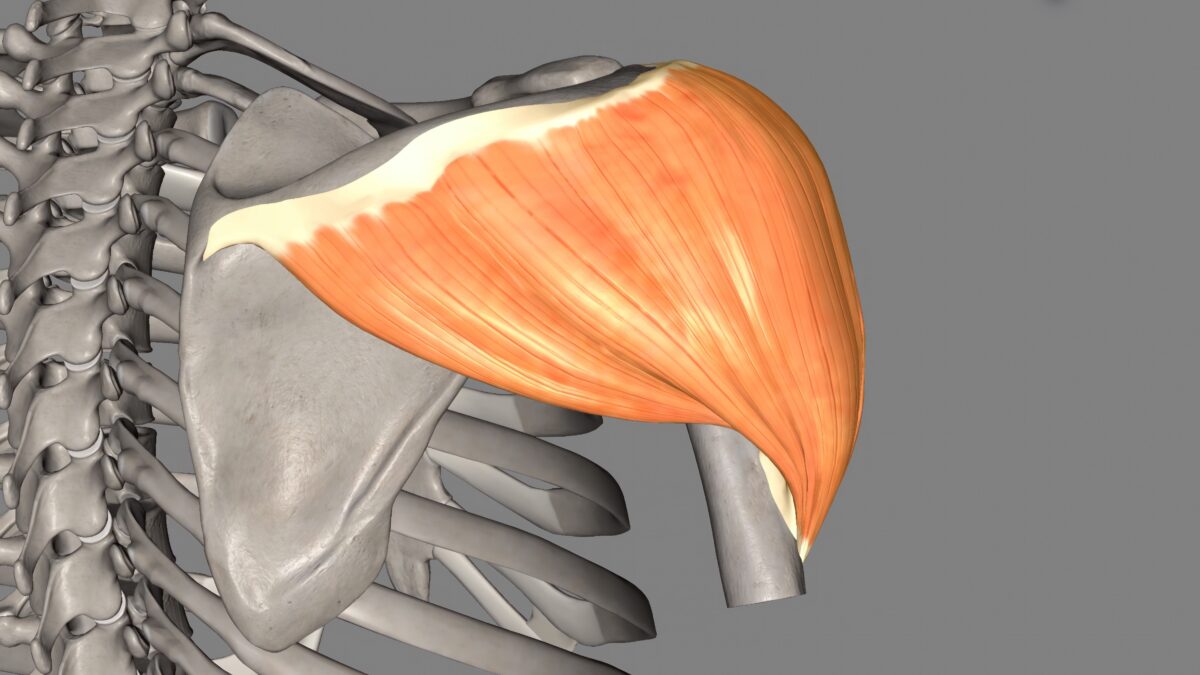
For years, the K-pop industry has been haunted by the 'rotator cuff curse.' We all remember the collective heartbreak when beloved idols, particularly those in performance-heavy groups like BTS or SHINee, had to sit out entire world tours due to recurring shoulder injuries. It felt like an inevitability: push your body to the limit for a decade, and you pay the price with a surgeon’s scalpel. In the past, injury management for idols was essentially 'rest and hope,' a reactive approach that often led to incomplete recoveries. When members had to undergo repetitive surgeries—like the famous high-stakes procedures seen in the industry—it was a temporary patch on a structural weakness. However, a groundbreaking development from the Bundang Cha Hospital team regarding tendon-to-bone regeneration technology is shifting the paradigm from 'patching' to 'rebuilding,' marking a stark departure from the medical limitations that once dictated an idol's shelf life.
Beyond the 'Band-Aid' Fix: Why This Time is Different
In previous years, we saw idols like SUGA take significant time away from the stage to undergo intensive shoulder surgery. At the time, the industry standard was a mechanical repair—suturing the tissue and hoping the scar tissue would hold up under the G-force of modern choreography. But as we know, the re-tear rate for these repairs has been the industry’s best-kept, most anxiety-inducing secret. What makes this new research into regenerative interfaces revolutionary isn't just that it fixes the tear; it addresses the fundamental failure point where the tendon meets the bone. While previous medical interventions focused on the strength of the suture, this new approach focuses on the biological integration of the tissue, effectively 're-growing' the connection. This is the difference between stapling a piece of fabric together and weaving new fibers into the loom; it promises a level of durability that wasn't even on the table five years ago.
The transition from mechanical repair to biological regeneration signifies a massive shift for K-pop: we are moving from an era of 'physical sacrifice' to an era of 'sustainable performance.'
The End of the 'Three-Year Limit' on High-Octane Performance
Why does this matter to the average fan? Because our favorites are no longer just singers; they are elite-level athletes. Looking back at the early 2010s, groups were often forced to pivot to 'softer' concepts as they aged, not because they wanted to, but because their bodies literally couldn't withstand the impact of power moves anymore. We watched the transition from sharp, explosive routines to more lyrical, stationary choreography as a way to preserve their longevity. However, with this new tendon regeneration tech, the ceiling for an idol’s career could be raised by decades. Instead of forcing a pivot due to injury, artists can potentially maintain their original, high-intensity performance DNA well into their 30s and 40s. It changes the narrative from 'saving their career' to 'future-proofing their legacy.'
Setting a New Industry KPI: Health as a Strategic Asset
In the past, an idol's health was treated as a hidden internal struggle, often revealed only after a major cancellation. Today, we are seeing a shift where medical innovation is being discussed with the same seriousness as A&R strategies or global marketing campaigns. When we compare the current industry focus on regenerative health to the reactive, 'hush-hush' medical culture of the second generation, the difference is night and day. Labels are now viewing these bio-medical breakthroughs as strategic assets that protect their multi-billion won investments—the idols themselves. It’s no longer just about hiring a better physical therapist; it’s about integrating cutting-edge biotech into the long-term career roadmap of every trainee and veteran artist alike.
What the Future Holds for the 'Neo' Generation
As we look toward the future, this tech won't just benefit the legends who have already put in their time; it will change the training culture for the next generation. Imagine a debut where an idol’s physical threshold is as meticulously monitored as their vocal technique, with regenerative protocols already in place to prevent the micro-traumas that lead to career-ending injuries. We are entering an era where 'breaking point' might be removed from the K-pop vocabulary. For fans who have watched their favorites struggle through the pain of the stage, this isn't just science—it’s the promise that the performances we love can continue, safely and stronger than ever, without the fear of the next 're-tear' notification appearing on our feeds.
Source Article: Read the original Korean news here
#KPOP #BTS #IdolHealth #RegenerativeMedicine #KpopIndustry #TendonHealth #PerformanceArt #KpopScience #SUGA #MusicBusiness