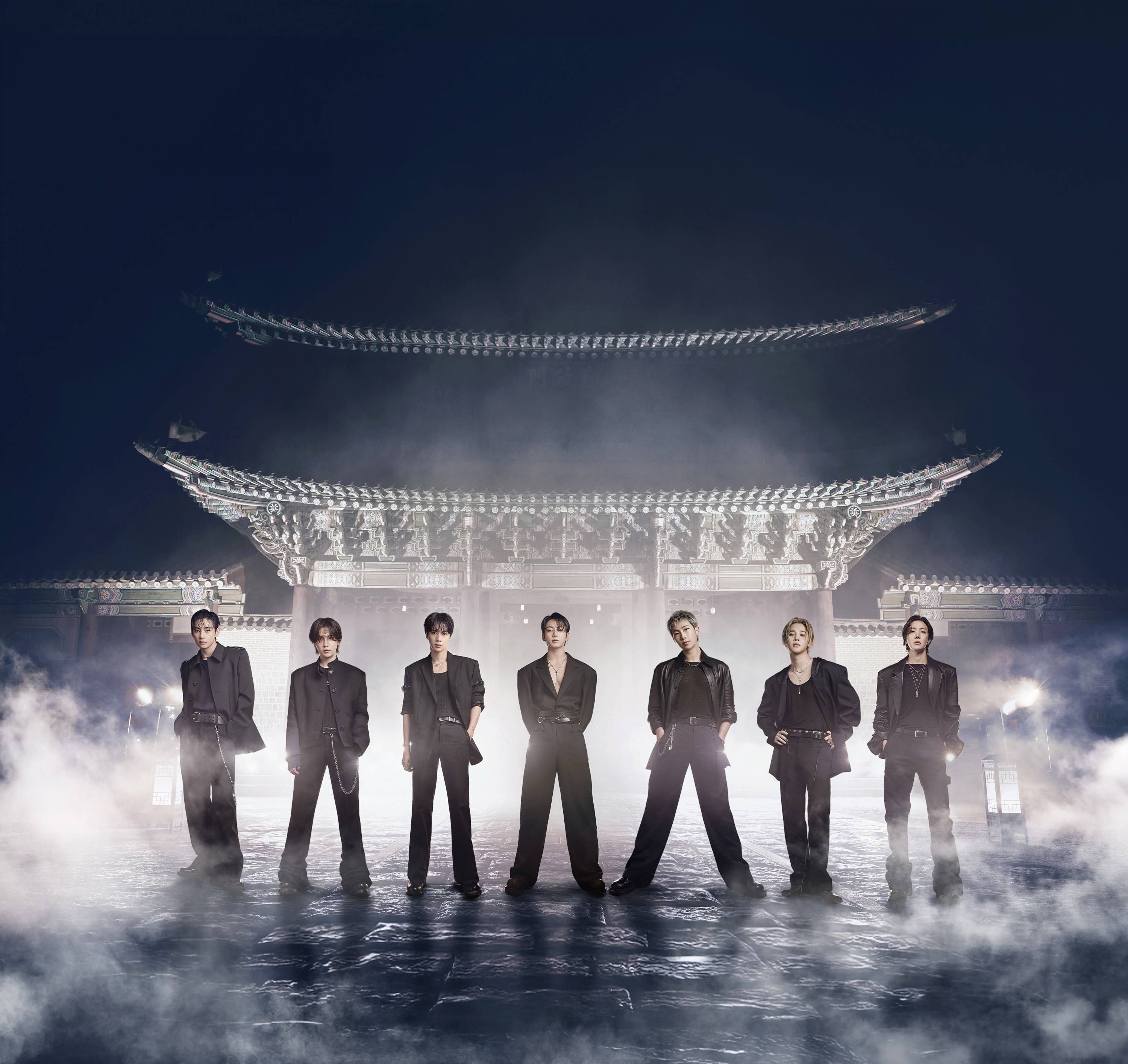
Forget the sanitized, picture-perfect commercials of the past—aespa is turning the humble bowl of noodles into a high-fashion, meta-verse-bending lifestyle statement.
The Evolution of the 'Idol Cereal' Trope
For decades, the K-pop industry operated on a predictable rhythm when it came to food and beverage endorsements. Remember the iconic days of the 2nd and 3rd generations, where group members would coyly hold a bottle of vitamin water or offer a spoonful of ramyun to the camera with a shy, scripted grin? It was a dynamic rooted in the 'Girl Next Door' or 'Boyfriend Material' archetype, designed to make fans feel like they were sharing an intimate, domestic moment with their favorite star. However, the recent unveiling of aespa’s 2nd global campaign for Shin Ramyun signals a radical departure from this traditional, domestic-focused branding.
Breaking the Fourth Wall: The Shift from Persona to 'Meta-Lifestyle'
When we look back at classic endorsements—like BIGBANG’s energetic commercials or early EXO campaigns—the focus was always on the idol serving the product to the consumer. In contrast, aespa’s approach feels inherently more 'self-contained.' They aren't just selling a bowl of spicy noodles; they are selling the 'aespa aesthetic' as a lifestyle that just happens to include eating instant noodles. By leaning into their hyper-futuristic, cyber-cool brand identity, they have stripped away the subservient undertone of old-school CFs. Even when they are off-stage, the members retain that untouchable, high-fashion aura that makes a simple meal look like a curated scene from a high-budget music video.
Comparative Analysis: aespa vs. The Legacy of K-Pop Advertising
To truly understand how revolutionary this shift is, we must compare it to the legendary collaborations of the past, such as BTS’s monumental partnership with McDonald's or even Blackpink’s various luxury food campaigns. While the BTS collaboration focused on 'global accessibility' and mass-market appeal—creating a sense of unity among the global ARMY—aespa’s strategy with Nongshim is decidedly more 'exclusive' in its delivery. Where previous generations of idols were used to humanize a brand, aespa is using the brand to augment their own digitally-native lore. The campaign isn't just about "taste"; it's about the visual consistency of the aespa universe, proving that today's idols are no longer just faces—they are integrated design elements of the brands they represent.
The Fan Economy: Why Aesthetics Now Outrank 'Relatability'
The reception from fans (MY) reflects a massive shift in how the industry views 'wholesome' content. In the past, fans wanted to see their idols doing normal, human things—cooking, eating, laughing—to feel closer to them. Today, the most successful campaigns are those that treat idols as aspirational icons. When aespa posts behind-the-scenes content of them enjoying Shin Ramyun, it doesn't feel like a "moments with the family" commercial; it feels like an exclusive glimpse into the lives of stars who have mastered the art of looking cool even while performing mundane tasks. This evolution mirrors the broader K-pop transition from 'accessible intimacy' to 'curated digital dominance.'
Beyond the Bowl: What This Means for Future Collaborations
As we look toward the future, the success of this campaign provides a blueprint for how agencies will pitch their groups to global conglomerates. We are entering an era where visual continuity and IP-integrated branding are far more valuable than standard celebrity endorsement deals. Brands aren't just looking for a pretty face to hold a product anymore; they are looking for groups that can weave the product into the very fabric of their multiverse narrative. For aespa, this is just the beginning of a larger trend where the boundary between real-world consumerism and fandom fantasy becomes permanently blurred.
Setting the Stage for a New Decade of Marketing
By effectively distancing themselves from the 'cutesy' CF traps of the past, aespa has carved out a space where their brand power feels limitless. They have proven that whether they are performing on a massive stadium stage or simply enjoying a late-night snack, the 'aespa effect' remains constant. As the industry watches this campaign unfold, it is clear that the bar has been raised. The future of K-pop marketing won't be about who can smile the brightest with a spoon in their hand, but about who can make the most mundane item feel like a must-have accessory in an ever-expanding digital kingdom.
Source Article: Read the original Korean news here
#aespa #ShinRamyun #KpopMarketing #Nongshim #Karina #Winter #Ningning #Giselle #KpopTrends #GlobalKpop