The Unlikely Transformation of Busan’s Hidden Slopes
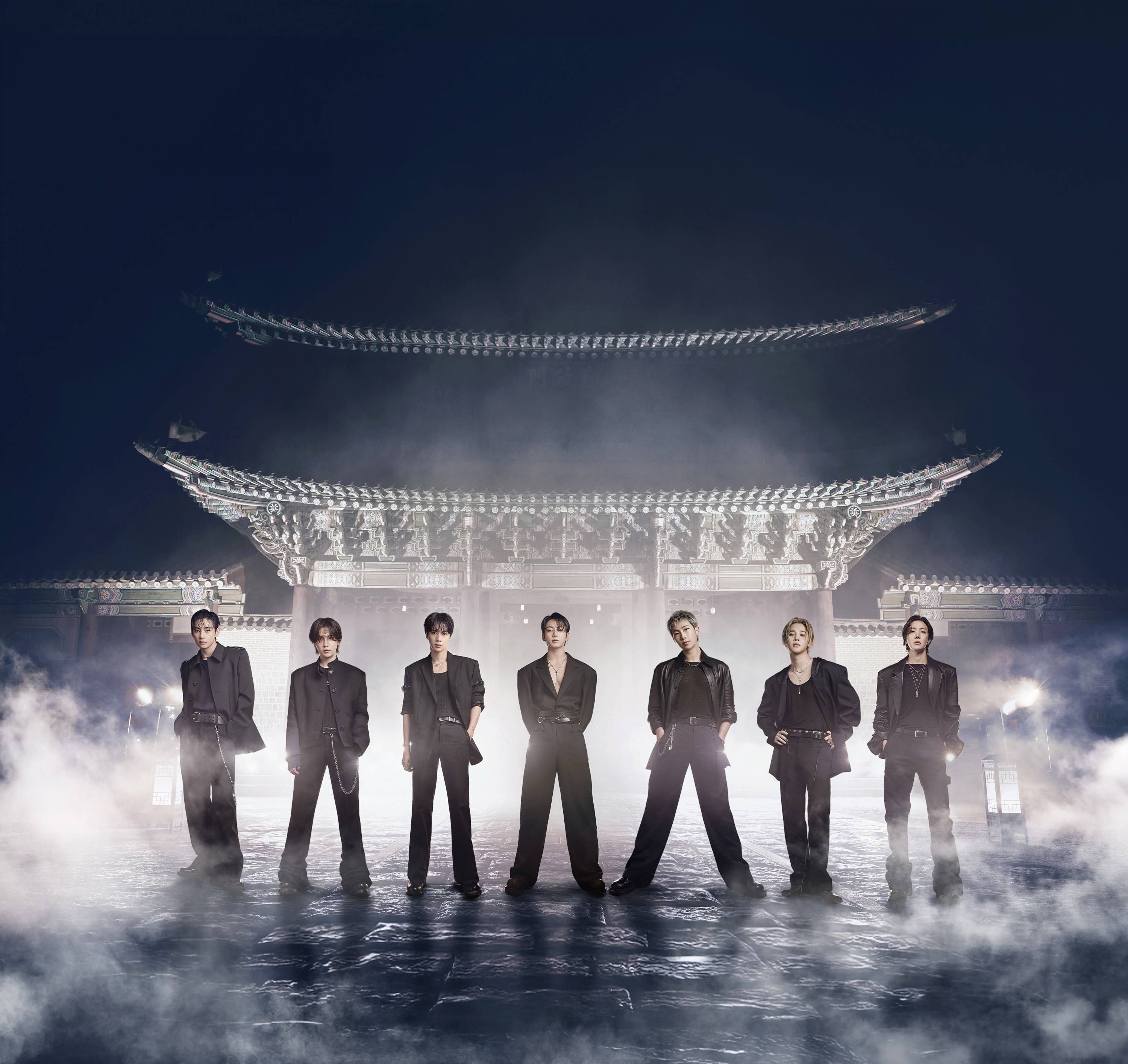
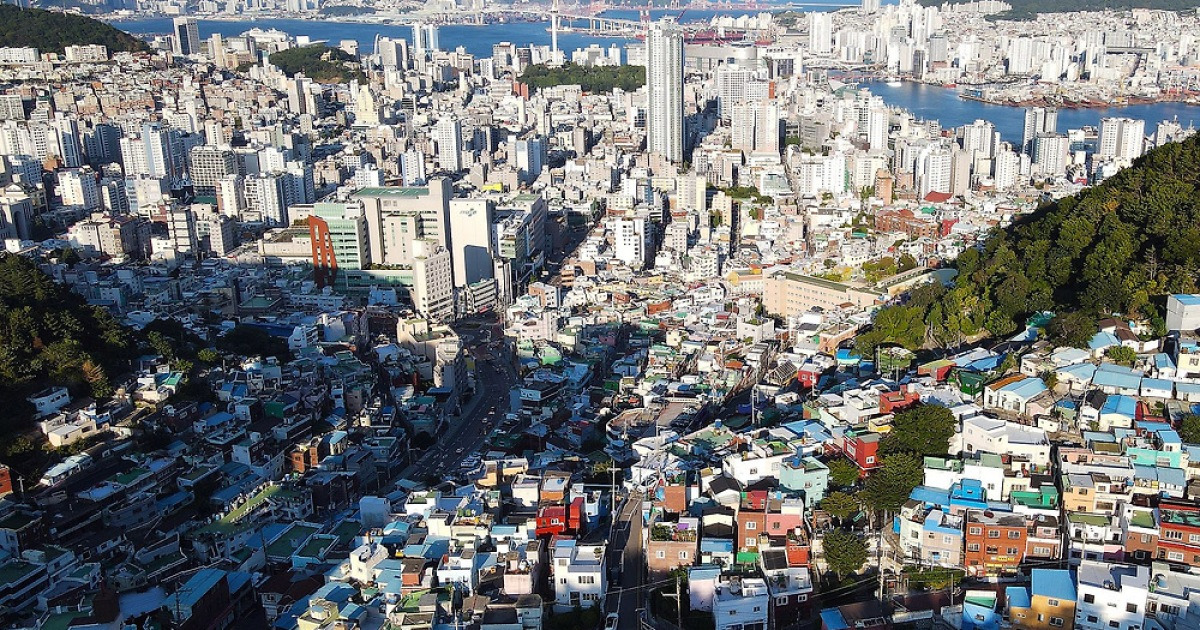
When we look at the rise of BTS, we often focus on the choreography, the chart-topping vocals, or the high-production music videos. However, there is a fascinating, lesser-known narrative unfolding in the steep, narrow alleyways of Busan—specifically in the hillside neighborhoods that were once colloquially dubbed 'ghost towns.' These areas, often characterized by aging infrastructure and fading populations, have undergone a startling cultural metamorphosis. It isn't just a byproduct of fame; it is a calculated intersection of urban rejuvenation and the unprecedented influence of the ARMY. The shift from a quiet, overlooked district to a global pilgrimage site is a testament to how idol culture has effectively rewritten the map of South Korean tourism, turning neglected spaces into essential coordinates for international fans.
Decoding the 'Fan-Curation' Phenomenon
What many outsiders fail to realize is that the transformation of these Busan neighborhoods wasn’t a top-down government project, but rather an organic, community-led response to the 'BTS effect.' Locals, recognizing the influx of fans seeking the specific backdrops associated with Jimin and Jungkook’s hometown, began to invest in aesthetic improvements that respect the heritage of the area while catering to modern tourism. It is a brilliant bit of grassroots marketing: by embracing the murals, the coffee shops, and the scenic overlooks that fans identify with, these neighborhoods have managed to preserve their authenticity while simultaneously upgrading their infrastructure. This behind-the-scenes work involves meticulous community planning—managing foot traffic, creating designated photo zones, and ensuring that the influx of visitors remains respectful of the residents who call these hills home.
Infrastructure as a Canvas: The Production Value of Place
Why do fans flock to these specific steep slopes? The answer lies in the cinematic quality of Busan’s geography. In the K-pop industry, the 'sense of place' is a crucial component of an idol’s branding. These hillside homes, with their maze-like stairs and panoramic harbor views, offer a raw, unfiltered aesthetic that contrasts sharply with the glitz of Seoul’s high-rise studios. When BTS members share glimpses of these locations, they are essentially providing fans with a visual 'behind-the-scenes' look at their own roots. This creates a powerful connection where fans feel they aren't just visiting a tourist spot, but entering the private history of their idols. The industry has picked up on this, often leveraging these authentic, lived-in landscapes to ground the larger-than-life images of K-pop stars in tangible reality.
The Strategic Synergy Between Idols and Urban Design
This isn't just about taking a selfie; it represents a new frontier in cultural preservation. By becoming a magnet for international travelers, these neighborhoods are now receiving the economic and public interest necessary to avoid total abandonment. Behind the scenes, local councils and private developers are now working in tandem to harmonize this sudden fame with urban sustainability. They are focusing on 'soft infrastructure'—better signage, improved connectivity, and local storytelling—that keeps the BTS connection alive without turning the district into a sterile theme park. It is a delicate balance of maintaining the 'ghost town' mystery while opening the doors to a global, digital-first generation of fans who want to walk the same streets as their icons.
The Future of Fandom-Driven Urbanism
As we look ahead, the Busan model provides a blueprint for how other K-pop hubs might operate in the future. We are witnessing the birth of a new type of tourism where the fan experience is the primary engine of development. It raises an important question: can this level of engagement be sustained? The key, it seems, lies in the continued synergy between the fans' desire for authentic experiences and the community’s commitment to self-representation. For the global ARMY, these Busan slopes have become more than just a place to visit—they are a living monument to the journey of seven young men from small-town roots to global titans. It is a profound shift in how we understand the legacy of idols, not just in music, but in the physical landscape of their home country.
Source Article: Read the original Korean news here
#BTS #Busan #KPopTourism #ARMY #Jimin #Jungkook #KPopCulture #SouthKoreaTravel #UrbanRejuvenation #HallyuWave