The Infrastructure Shift: Moving Beyond the 'Flash in the Pan'
For the past 15 years, the K-pop industry has operated under a paradigm of expansion, constantly fighting to prove that the 'Hallyu' wave was not merely a fleeting trend. Early iterations of the industry focused primarily on cultural dissemination—getting music played on foreign airwaves or hosting localized concerts. However, the current landscape reveals a significant maturation. We have moved away from simply exporting pop stars and into the era of built-in infrastructure. Today’s K-pop ecosystem is not just asking for a seat at the table; it is building the table itself, establishing business hubs and global 'gates' that ensure the genre remains a permanent fixture of the international musical economy rather than a temporary visitor.
Comparative Analysis: The 2009 vs. 2024 Blueprint
To understand the sheer scale of this evolution, one must compare it to the 'pioneer era' of 2009. Back then, K-pop was synonymous with localized experimentation—groups like Wonder Girls or early BoA were testing the waters of the US and Japanese markets with limited distribution networks. These were individual efforts that relied on heavy risk-taking from labels. Fast forward to 2024, and the strategy has shifted toward systemic permanence. Unlike the solitary, high-stakes gambles of a decade and a half ago, the modern industry creates self-sustaining pipelines, integrating technology, lifestyle branding, and sophisticated business hubs that allow artists to penetrate foreign markets with unprecedented stability. This is no longer just about 'going global'; it is about maintaining a permanent, localized presence that functions as its own economy.
- 2009: Focus on hit-and-run promotional cycles and trial-and-error entry into foreign media.
- 2014: Rise of digital streaming dominance and the beginning of the 'fandom-first' social media era.
- 2024: Integration of K-pop into mainstream global supply chains, tech-driven fan engagement, and permanent localized business hubs.
The BTS Effect: From Chart-Toppers to Cultural Architects
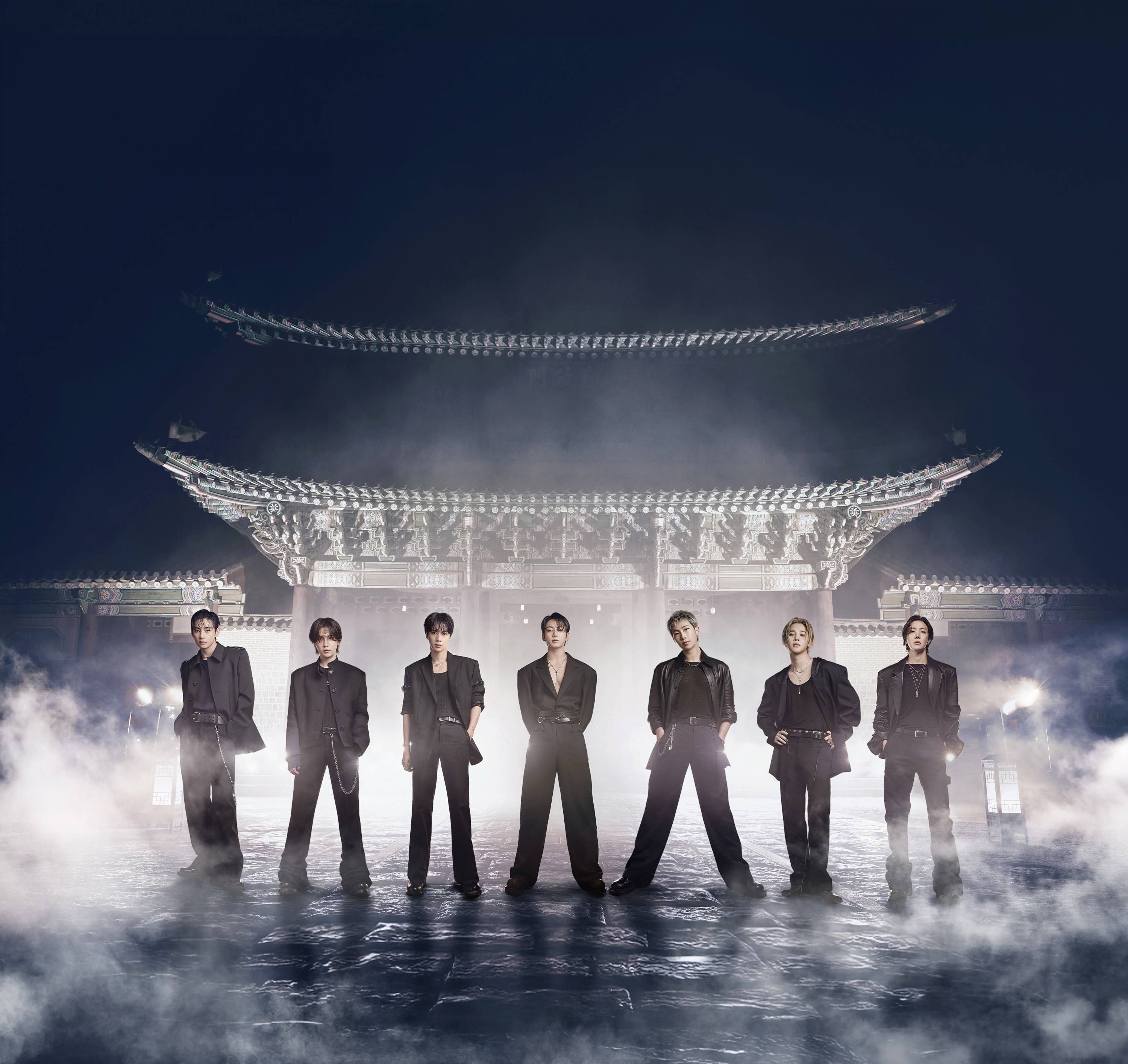
A primary driver of this 15-year shift is undoubtedly the BTS phenomenon, which fundamentally altered how the industry views success. While many groups in the past looked for validation from Western traditional media, BTS utilized a decentralized approach to fame, effectively teaching the industry that global power is built through the digital grassroots of the fandom. This is what sets the current era apart from the mid-2010s; where groups previously begged for attention from record labels, they now hold the power to dictate the terms of their own distribution. This 'BTS Model' has provided a blueprint that smaller groups now follow, allowing them to skip the traditional gatekeepers and tap directly into global hubs of activity.
The Business of 'K-Territory'
We are witnessing the transformation of K-pop from a music genre into a comprehensive business ecosystem. By establishing physical and digital hubs, agencies are effectively creating 'K-territories' abroad. This includes everything from pop-up stores that act as revenue centers to strategic partnerships with global tech giants. In the past, a concert was an isolated event; today, it is the centerpiece of a multi-week activation involving brand collaborations, fan community events, and integrated digital experiences. This approach is what allows the current generation of idols to maintain longevity that artists of the early 2000s could only dream of. The focus has shifted from the 'wow factor' of a debut to the 'staying power' of a global brand.
Future Horizons: Where Does the Infrastructure Lead?
Looking ahead, the next five years will be defined by the institutionalization of K-pop as a global cultural utility. We are already seeing groups leverage their massive fanbases to influence industries beyond music—from sustainable fashion to global tech platforms. The 15-year trajectory indicates that the industry is entering a phase of sustainable growth, where the volatile swings of the past are smoothed out by a diversified business approach. We are no longer observing a 'wave' that could crash; we are witnessing the solidification of a global landscape that K-pop has successfully claimed as its own. This is the era of the industrialized Hallyu, and it is here to stay.
Source Article: Read the original Korean news here
#KpopEvolution #HallyuWave #BTS #KpopBusiness #GlobalKpop #MusicIndustryAnalysis #KpopStrategy #KpopHistory #IdolEconomy #KpopTrends