From Slapstick to Satire: The Pivot that Saved a Legacy
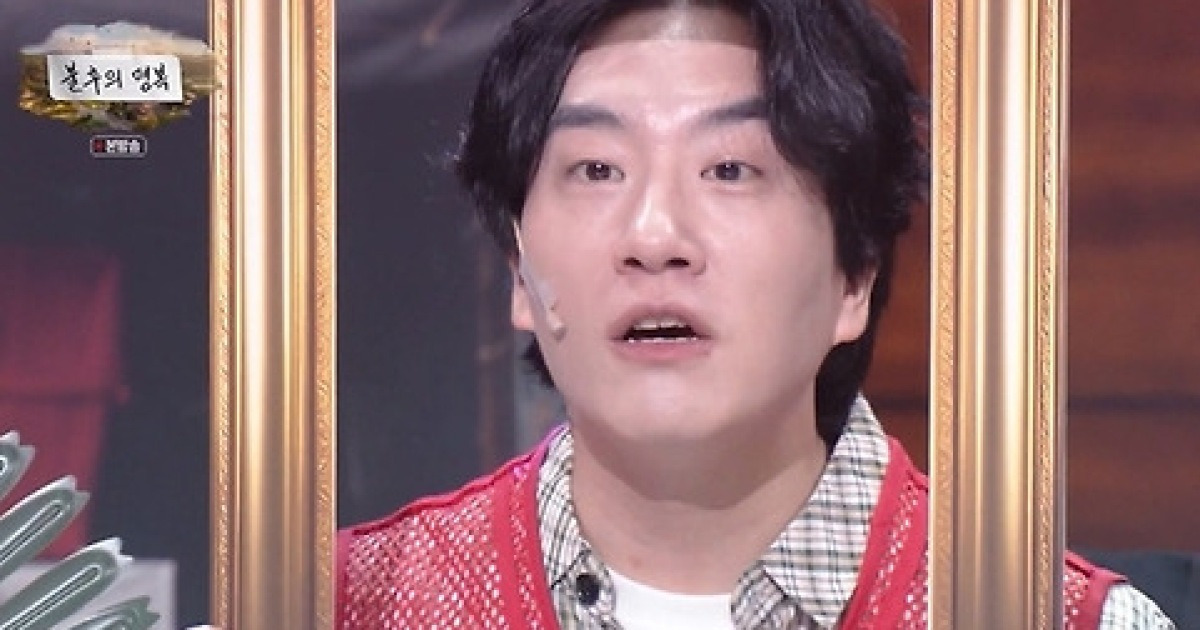
For decades, Gag Concert stood as the pillar of South Korean broadcast comedy, defining an era where Saturday nights were incomplete without its iconic theme song. However, as the digital landscape shifted toward short-form content and the idol-variety era began to dominate, the show faced the existential dread of becoming a relic. The recent success of the segment 'Bulhu-ui Myeongbok' (The Eternal Rest) isn't just a win for the production team—it represents a masterclass in rebranding a legacy. By flipping the script and applying a dark, cynical, yet hilarious twist to the traditional sketch format, the show has proven that even a long-running institution can stay relevant if it's willing to mock its own aging identity.
The genius of 'Bulhu-ui Myeongbok' lies in its refusal to play it safe; it treats the show’s own storied history as a punchline, transforming the fear of irrelevance into its greatest comedic asset.
A Career Timeline: The Rise, The Stall, and The Renaissance
To understand why this specific sketch matters, we have to look at the career arc of Gag Concert. In the mid-2000s, the show was the undisputed king of national entertainment. Every idol, from BIGBANG to Girls' Generation, viewed a guest appearance on the show as a rite of passage, a badge of true national recognition. But as the 2010s progressed, the show struggled to compete with the rapid-fire, high-production values of streaming-first content. Many analysts labeled the show as 'stagnant' or 'out of touch.' Yet, the team behind it spent years experimenting with sub-genres, moving away from purely physical comedy and embracing meta-narratives. This recent pivot feels like the culmination of a decade spent in the wilderness, learning how to speak the language of a younger, internet-savvy generation without losing the heart that made the show a staple in Korean households.
Decoding the 'Bulhu-ui Myeongbok' Formula
So, what exactly is the 'reverse-thinking' strategy behind this sketch? Unlike traditional comedy that relies on clear-cut situational setups, this segment thrives on the unexpected. It takes the gravity of 'funeral' themes and 'fame' and weaponizes them against the industry norms we’ve come to expect in K-pop and television. By embracing the 'self-deprecating' aesthetic, the performers have managed to bypass the 'cringe factor' that usually plagues long-running shows trying to attract Gen Z viewers. They aren't just reciting lines; they are performing a high-wire act of satirical deconstruction. This is remarkably similar to how veteran idol groups like BIGBANG have had to evolve their public persona; instead of trying to be the 'trendy rookies' they were 20 years ago, they lean into their status as legends, using their seniority to craft a new, more ironic narrative.
Bridging the Generation Gap: What's Next?
This isn't merely about one popular segment; it’s about the sustainability of Korean public broadcast comedy. As we look at the trajectory of the show, we see a clear roadmap for how legacy acts survive. By integrating the absurdity of modern social media trends into their sketches, Gag Concert is bridging the gap between the older audience who grew up with the show and the younger fans who discover these moments through viral clips on TikTok or YouTube Shorts. This shift signals a broader trend in the entertainment industry: the transition from 'broadcasting to everyone' to 'creating viral micro-moments for anyone.' It is a calculated move that ensures the show’s name remains in the conversation, not because of what it *was*, but because of what it *is* currently contributing to the culture.
The Long-Term Impact on Korean Variety
As the show pushes forward, the success of this 'reverse-thinking' comedy will likely influence the next wave of variety programs. We are seeing a distinct pattern where transparency and irony are the most valuable currencies. Fans no longer want polished, rehearsed perfection; they want the 'messy,' self-aware content that 'Bulhu-ui Myeongbok' delivers so effectively. Whether this translates to a long-term total recovery for the network or remains a brilliant niche success, one thing is certain: the show has successfully updated its brand equity. For global K-pop fans who follow the 'content universe' of their favorite idols, this serves as a valuable lesson in how legacy media manages the delicate balance between maintaining a historic identity and embracing the radical changes demanded by a new era.
Source Article: Read the original Korean news here
#GagConcert #KVariety #KoreanComedy #BulhuuiMyeongbok #KPopIndustry #KoreanMedia #EntertainmentTrends #VarietyShow #LegacyActs #KNetizens