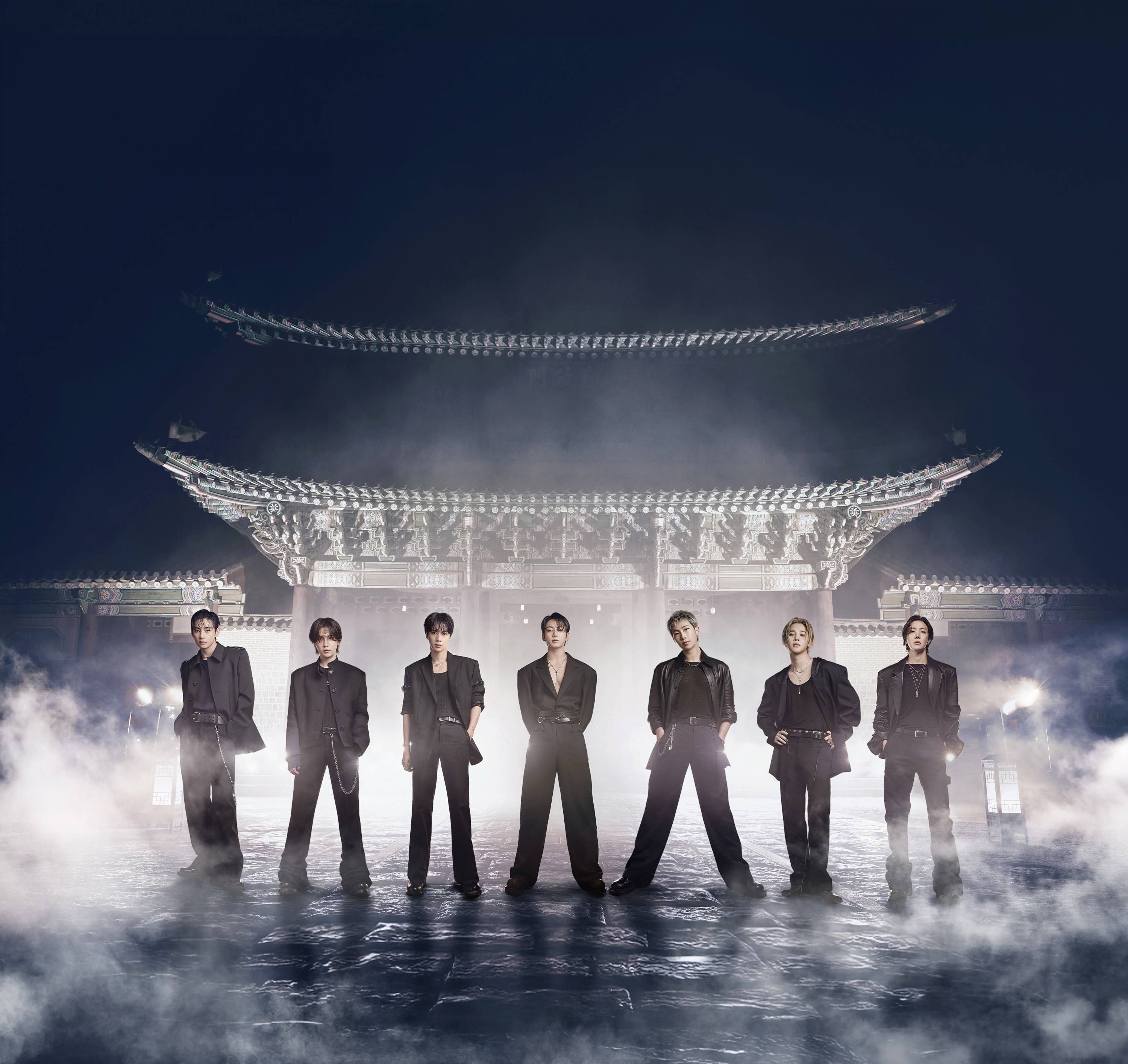
Scaling the Impossible: The Metrics Behind the Dome
When aespa stepped onto the stage at the Gocheok Sky Dome for their latest world tour, it wasn’t just a concert—it was a definitive financial statement. With a capacity exceeding 17,000 per night, the Gocheok Dome serves as the gold standard for mid-career growth in the K-pop industry. By securing this venue, aespa has shifted from the 'growth' phase of their career into a 'monetization dominance' phase. While many groups struggle to fill arenas consistently, the data suggests that aespa’s ticket velocity—the rate at which seats are snapped up the moment they go live—has reached an apex. This isn't just about fan loyalty; it’s about the group’s ability to sustain sell-out power in a market that is increasingly cautious regarding concert ticket pricing.
Beyond the Hype: Analyzing the 4th Gen Revenue Hierarchy
To understand the magnitude of this achievement, we have to look at the per-capita revenue metrics of the 4th generation landscape. While social media engagement and YouTube view counts offer vanity metrics, the real indicator of an idol group’s health is their capacity-to-revenue ratio. aespa’s transition from smaller theater tours to multi-day Gocheok residency indicates that their conversion rate—turning casual listeners into high-spending concert attendees—has outperformed nearly every peer in their cohort. In an era where digital streaming often cannibalizes physical growth, aespa has successfully weaponized their 'hyper-pop' brand identity to maintain premium price points that would make even veteran groups envious.
The Global Arbitrage of aespa’s Touring Strategy
It is crucial to note that the Gocheok launch is merely the kickoff for a larger, global financial ecosystem. By analyzing past tour data, we see that aespa’s international footprint is expanding with a calculated focus on high-spending markets like North America and Japan. The numbers don't lie: their consistent chart performance on the Billboard 200 serves as the primary marketing funnel for these international tour legs. Each time they hit a new streaming milestone, the floor price for their touring guarantees rises globally. They have evolved into an export powerhouse, effectively balancing the local intensity of the Korean market with the scalable revenue potential of a global tour itinerary.
Merchandising and the Ecosystem of the 'MY' Economy
A concert at the Gocheok Dome is never just about ticket sales; it’s about the ancillary revenue streams generated on the concourse. The recent pivot toward 'exclusive' drops and limited-edition merchandise at venues has become a massive contributor to the overall bottom line for top-tier groups. aespa’s branding—which leans heavily into futuristic, tech-forward aesthetics—perfectly aligns with a fanbase that is eager to purchase high-margin collectibles. By creating a 'collector's culture' around their live events, aespa is effectively maximizing the revenue per attendee, ensuring that each fan contributes significantly more than just the cost of a seat.
Future Projections: The Path to Stadium Stardom
So, where does this leave the group in the long run? If we project their current growth trajectory—measuring the gap between their debut arena sales and current dome sell-outs—it is clear that they are on a direct collision course with major international stadium tours. The industry standard dictates that once a group can consistently sell out domes, the next logical move is to transition to open-air stadiums in key cities. As aespa continues to refine their sound and brand, their ability to dictate ticket prices will only grow, potentially setting them up for some of the highest-grossing tours by a girl group in the history of the genre. The data suggests the best is yet to come, and the Gocheok Dome is merely the start of this fiscal metamorphosis.
Source Article: Read the original Korean news here
#aespa #KpopBusiness #GocheokSkyDome #KpopMetrics #MY #4thGenKpop #LiveConcertEconomy #KpopCharts #MusicIndustryAnalysis #BTS