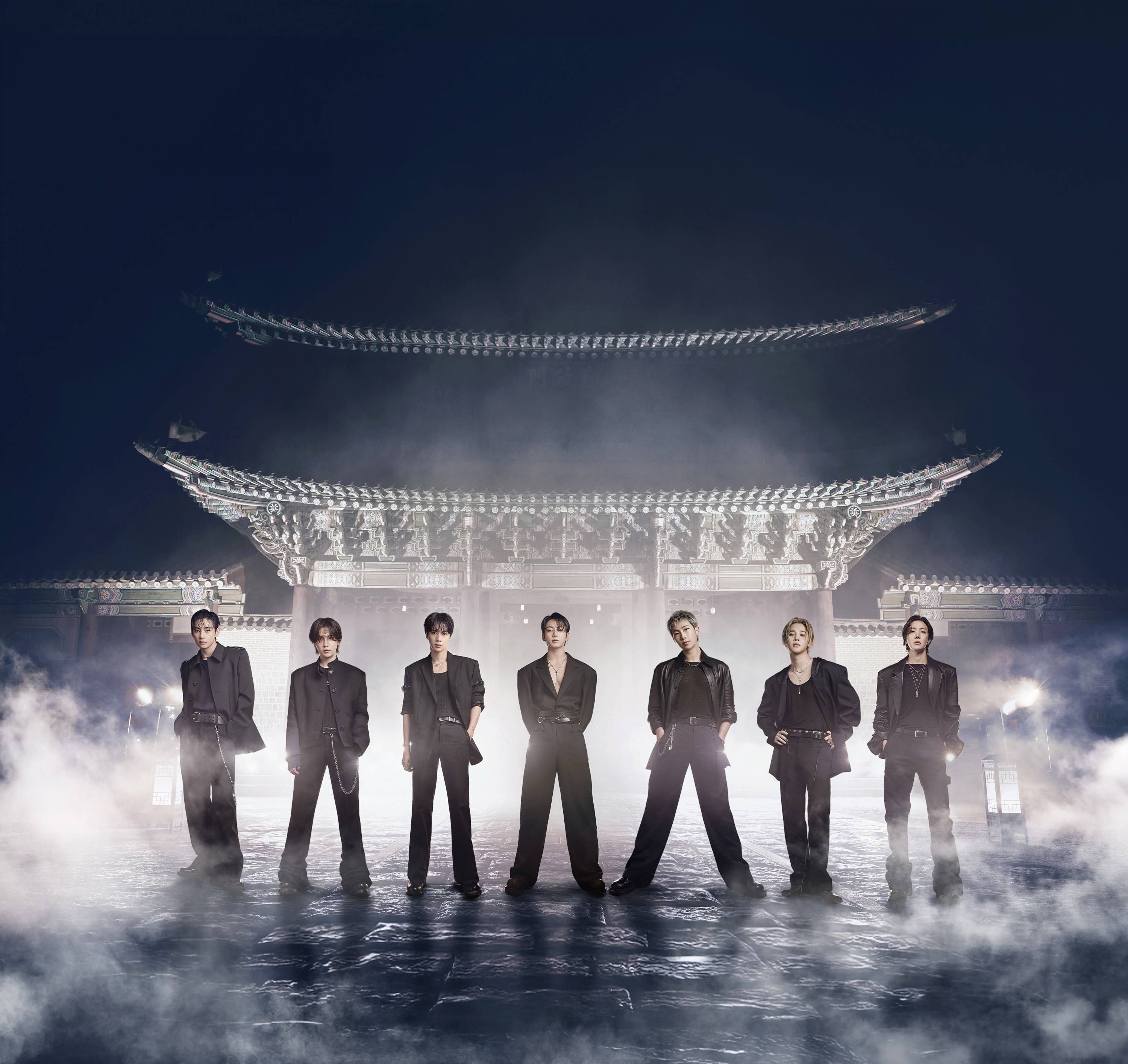
From the precision of millisecond-based 'Navyism' clocks to the sheer communal anxiety of the queue, the art of securing a seat at a K-Pop concert has evolved from a simple transaction into a high-stakes competitive sport that now defines the modern fan experience.
The Evolution of the 'Click War'
For years, the term 'Tikit-ing' (Ticket-ting) was a badge of honor among the most dedicated K-Pop stans. It was a clandestine skill set—a mixture of technical wizardry and pure adrenaline. Fans would spend hours debating the best internet cafes with the fastest ping rates, synchronizing their browser clocks to government-standard servers like Navyism, and preparing multiple devices to ensure they didn't miss out on those precious floor seats. What used to be a hidden struggle discussed only in private group chats or on niche forums has now officially crossed over into the mainstream, even surfacing as a central theme in popular variety shows. This shift signifies a major cultural moment: the tools of the superfan are no longer just for the 'initiated,' but have become a recognized, if not slightly chaotic, part of Korean entertainment culture.
Why the Fanbase is Buzzing
When news broke that these 'professional' fandom tactics were moving into the spotlight of television, the reaction from the community was a mix of pride, exhaustion, and irony. On major social media platforms and local community boards, fans are divided. Some veterans feel a sense of validation, noting that the general public is finally witnessing the insane level of logistics required just to see their favorite artists. 'They think it’s just clicking a button, but they don't know the anxiety of the refresh cycle,' remarked one long-time enthusiast. Others, however, are slightly wary that the gamification of ticketing in media will only increase the competition for future concerts, making it even harder for the 'OG' fans to secure their spots in the arena.
The Emotional Toll of the Digital Hunger Games
To truly understand why this matters, you have to look at the emotional stakes involved. For a global K-Pop fan, a concert ticket isn't just a pass to a show; it is the culmination of months of voting, streaming, and supporting an idol group through their latest comeback cycle. When a show sells out in seconds—an event often fueled by the very 'Navyism' tactics now being discussed on TV—the feeling of missing out is profound. Fans often describe the 'post-ticketing blues' as a legitimate emotional crash. By bringing this topic to mainstream variety shows, the industry is acknowledging that ticketing has become a high-pressure psychological experience rather than a simple consumer choice, validating the stress that millions of fans face worldwide every single season.
Bridging the Gap: Fan Culture as Content
The move to include 'fan tech' in variety programs serves an interesting dual purpose. For the casual viewer, it provides a fascinating look into the sophisticated digital infrastructure that supports the global K-Pop phenomenon. For the hardcore fan, it’s a form of representation. Seeing their daily struggles—the panic, the tactical planning, and the intense focus—portrayed on screen turns their 'nerdy' hobby into something culturally significant. It suggests that the industry is finally ready to treat the fandom not just as a revenue source, but as a community with its own complex language, technology, and internal culture that warrants its own spotlight.
Looking Ahead: Will the Playing Field Ever Be Fair?
As this 'fan tech' becomes more publicized, we can expect a new wave of interest in how concerts are managed. While some fans hope this awareness will push platforms to improve their server stability and anti-bot measures, others are skeptical. The fear remains that as these tactics become 'trendy,' the barrier to entry for the average fan only gets higher. However, the energy behind this conversation is undeniable. Whether you are a casual listener or a seasoned veteran who has mastered the art of the 100-millisecond refresh, the fact that these skills are being highlighted shows that the K-Pop industry is more interconnected with its fan base than ever before. It’s no longer just about the music; it’s about the collective digital heartbeat of a community that refuses to stay in the waiting room.
Source Article: Read the original Korean news here
#KPOP #Ticketting #Navyism #KPopCulture #FanLife #ConcertTickets #Stans #BTS #KPopTrends #DigitalSurvival