The New Currency of K-Pop: Beyond Streams and Sales
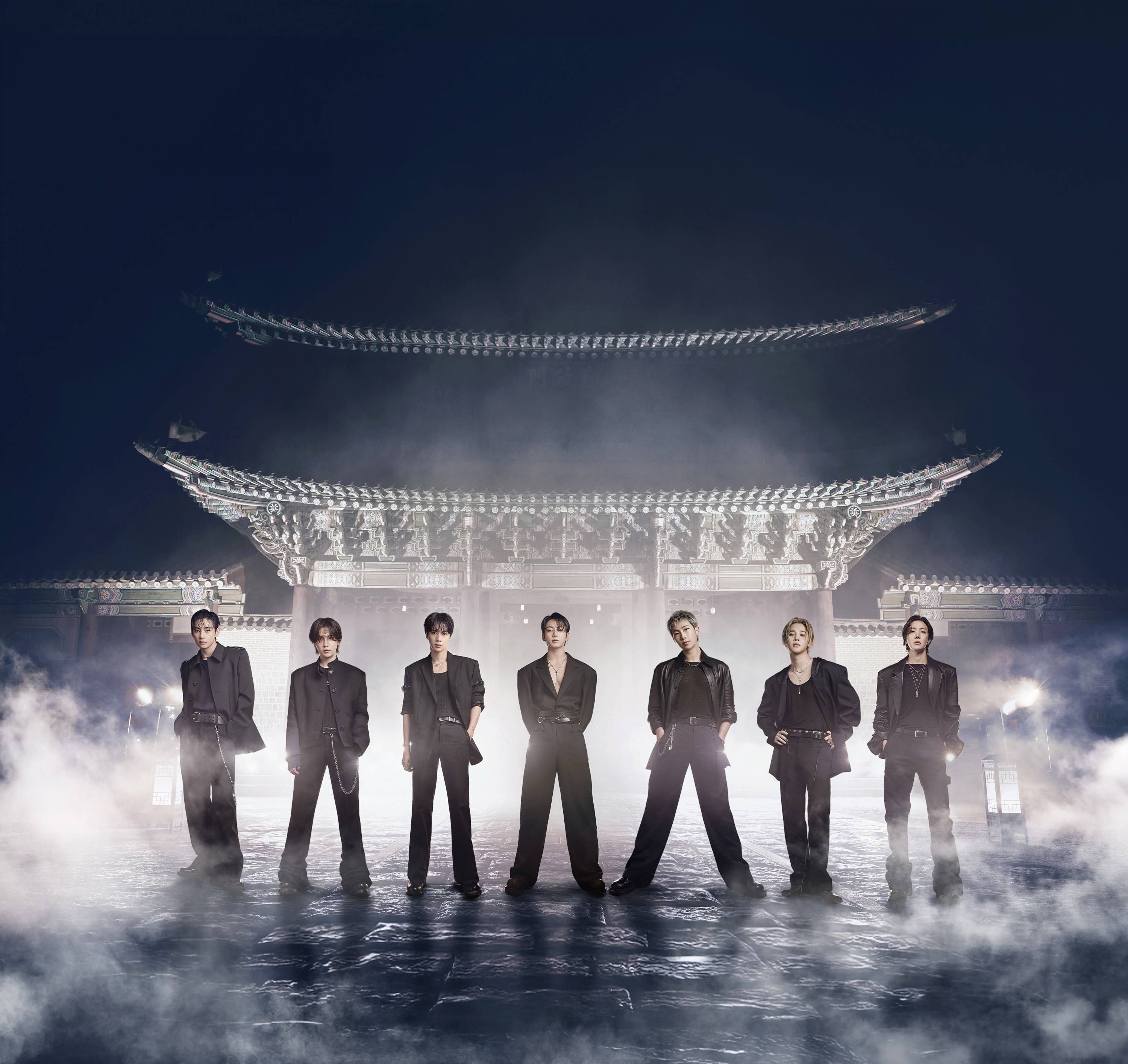
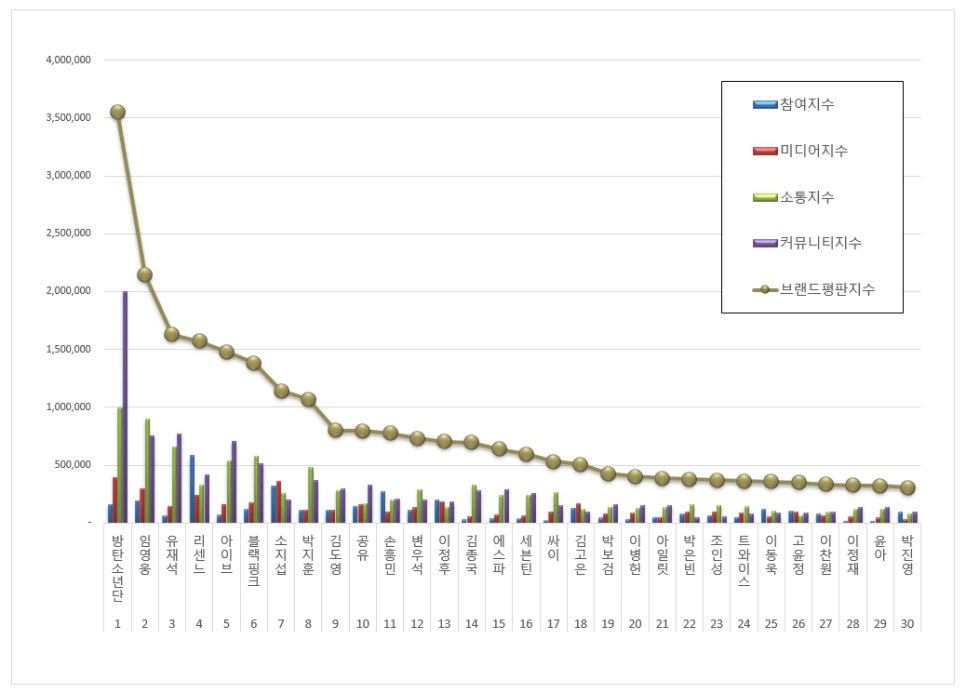
In the high-stakes world of K-pop, we are often obsessed with the 'Big Three' metrics: physical album sales, digital streams, and music show wins. However, the latest brand reputation rankings—which place global icons BTS and domestic powerhouse Lim Young-woong at the top, while spotlighting rising sensations like RESENE—reveal a shift in how the industry measures true influence. It is no longer just about the music; it is about the commercial ubiquity of an artist. When we look at these rankings, we are witnessing the transformation of idols into corporate assets whose value is tied as much to their marketability as their melody.
Decoding the 'RESENE' Phenomenon: The Strategy of Niche Penetration
The most fascinating data point in this recent report is the rise of the rookie girl group RESENE to the number four spot. While BTS and Lim Young-woong occupy the 'legacy' tiers of brand power, RESENE’s ascent suggests a highly tactical agency strategy. In an era where market saturation is at an all-time high, smaller agencies are bypassing traditional mass-marketing in favor of high-conversion brand endorsements early in their careers. By securing spots alongside industry titans, RESENE isn't just selling their songs; they are establishing an 'aspirational' brand identity that translates directly into long-term contractual leverage, ensuring their survival in an increasingly crowded competitive landscape.
The Comparative Landscape: Legacy vs. Disruptor Dynamics
To understand the depth of these rankings, we must look at how different artist tiers utilize their brand equity. While BTS maintains dominance through sheer global recognition, their 'Chapter Two' status proves that their brand value is now institutional—they don't need to be actively promoting as a full group to lead the charts. Conversely, newer groups must rely on a blitz-scaling marketing strategy, appearing in beauty, fashion, and lifestyle campaigns to keep their names in the public discourse. The table below illustrates the contrasting nature of their commercial reach:
| Artist Type | Brand Driver | Revenue Focus |
|---|---|---|
| Legacy Icons (BTS) | Global Cultural Influence | Brand Ambassador Partnerships |
| Domestic Powerhouse (Lim Young-woong) | High-Loyalty Fan Base | Mass Market Retail/Service |
| Emerging Disruptors (RESENE) | Digital Buzz/Aesthetic | Entry-level Lifestyle Endorsements |
The Economics of 'Brand Visibility' in a Digital-First World
What does it mean when a rookie group sits in the top five of a brand reputation index? It signifies a shift toward data-driven idol management. Agencies are now conducting deep dives into 'keyword associations'—analyzing exactly what consumers say when they mention an artist's name. For groups like RESENE, success is calculated by how often they are mentioned in the same breath as high-end luxury labels or household necessities. This 'reputation management' is the backbone of the modern K-pop business model, where the objective is to make the idol synonymous with the consumer’s lifestyle, thereby insulating the group from the volatility of music chart performance alone.
Looking Ahead: The Sustainability of Brand-Centric Growth
As we look toward the future, the industry’s reliance on these indices will only intensify. The BTS-Lim Young-woong-RESENE dynamic represents a tripartite power structure: the global giant, the domestic bedrock, and the agile challenger. Future agency strategies will likely pivot even further toward building comprehensive brand personas rather than just musical personas. For fans, this means we can expect a tighter integration between K-pop content and corporate advertising. While some purists may scoff at the 'commercialization' of our favorite artists, the data proves one thing: in the modern music economy, brand reputation is the single most important long-term growth engine for any agency looking to scale their talent into global superstardom.
Source Article: Read the original Korean news here
#KPOP #BTS #LimYoungWoong #RESENE #BrandReputation #KPOPIndustry #IdolMarketing #KPOPBusiness #MusicEconomics #HallyuTrends