The Unstoppable Rise of BTS-onomics
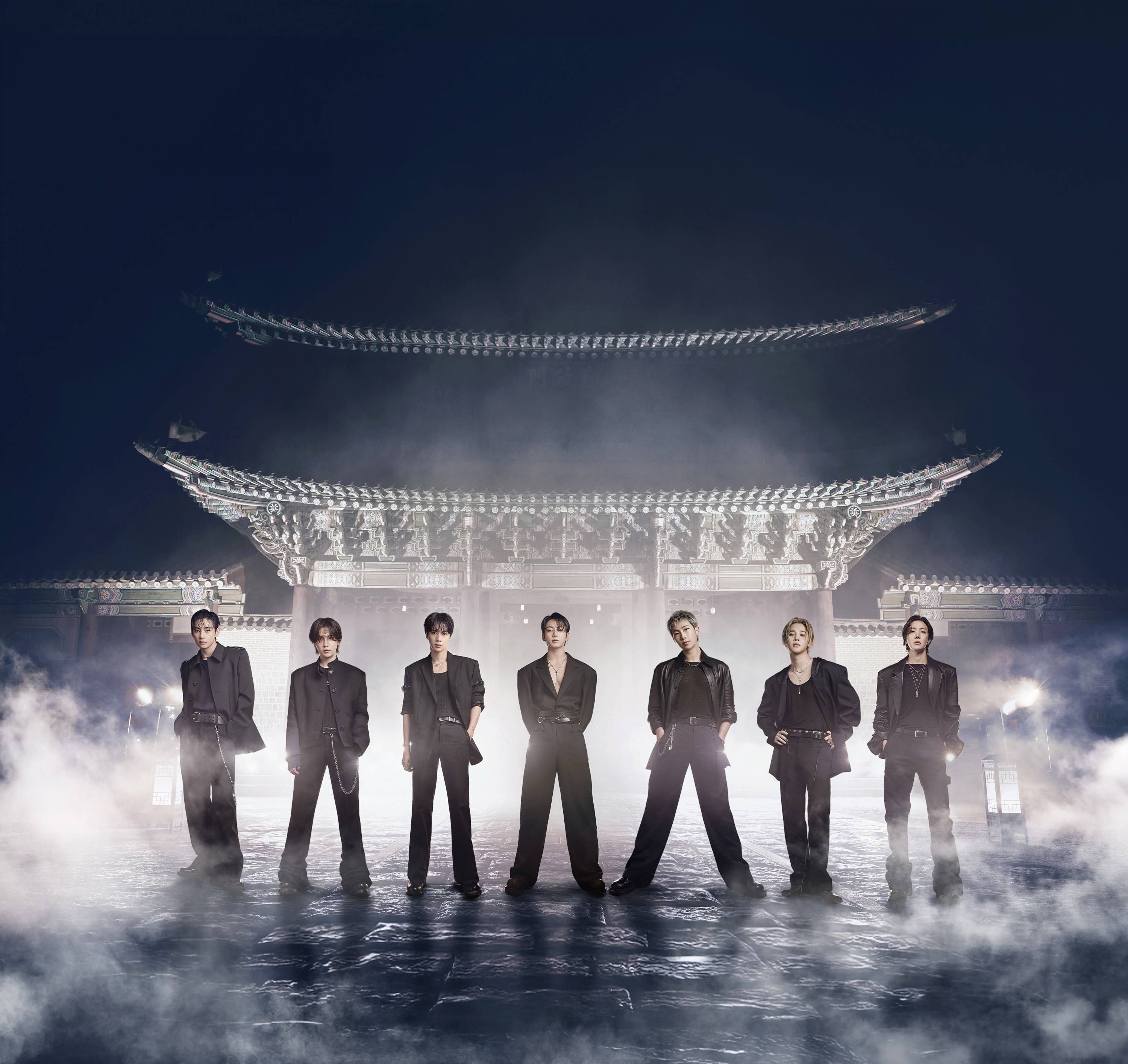
When we talk about global cultural movements, few have left as indelible a mark on the international stage as BTS. Recently, the term 'BTS-onomics' has been making headlines, describing the seismic economic ripple effect triggered by the group’s activities. Much like the FIFA World Cup—a global sporting event that stops the world in its tracks and drives billions in revenue—BTS has evolved into an economic engine that transcends mere music. From tourism and retail sales to national brand value, the seven members of BTS have become a national powerhouse, proving that their influence is far more than just a fandom trend; it is a macroeconomic force to be reckoned with.
Beyond the Music: Quantifying Cultural Impact
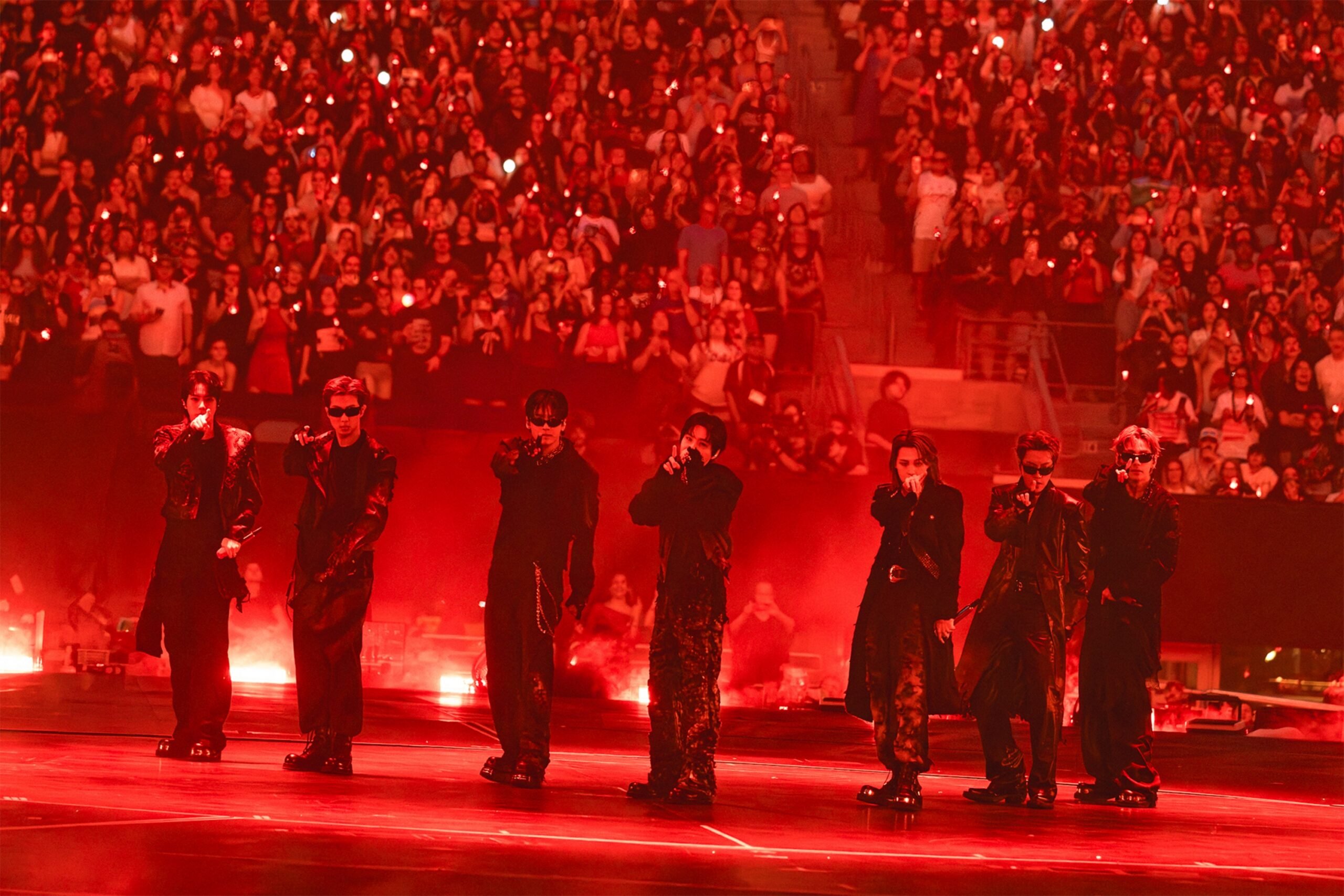
The secret behind BTS-onomics lies in the group's unprecedented ability to mobilize a global community. When BTS announces a tour, a collaboration, or even a simple brand endorsement, the economic output is immediate and measurable. Analysts suggest that the group generates billions of dollars annually, influencing sectors ranging from luxury fashion to traditional Korean exports. Much like the tourism surge associated with the Olympics or the World Cup, the 'BTS effect' brings fans to Korea, boosts the domestic economy, and puts South Korean culture at the very center of the global conversation. Their reach is not limited to digital streams; it is reflected in tangible GDP growth and the increased global competitiveness of the 'Made in Korea' label.
Fan Power: The Driving Force of the Global Economy
What sets BTS apart from any other entity is the unwavering dedication of their fandom, ARMY. Unlike traditional marketing, which relies on top-down messaging, BTS-onomics is driven by a grassroots economic movement. Fans do not just listen to the music; they participate in a digital and physical ecosystem that supports the group’s ventures. Whether it is purchasing official merchandise, supporting local businesses that feature BTS imagery, or traveling to Seoul to visit iconic filming locations, the financial engagement is profound. This organic, community-led demand is what allows them to maintain such a high economic impact even during periods of hiatus, proving that their brand equity is built on deep, emotional loyalty.
The Industry Context: Setting a New Global Standard
The entertainment industry has been forced to recalibrate its understanding of pop stardom because of BTS. Historically, the economic power of an artist was limited to album sales and concert tickets, but BTS has expanded the landscape to include intellectual property (IP) development, global partnerships, and diverse digital platforms. By leveraging technology to bridge the gap between East and West, BTS has created a sustainable business model that keeps fans engaged globally. Industry experts frequently point out that the group’s ability to influence consumer behavior is now being taught as a case study in modern marketing, showing just how far the 'Hallyu' wave has truly traveled.
Looking Ahead: The Future of Cultural Diplomacy
As the members navigate their individual journeys and military service, the question on everyone's mind is: what comes next for BTS-onomics? The consensus is clear—the brand is resilient. With their global influence firmly cemented, the future of the group looks bright, not just in terms of chart performance, but in their continued ability to act as cultural ambassadors. Their impact has paved the way for a new generation of K-pop idols to enter the global market with confidence. As they prepare for their eventual full-group reunion, the economic anticipation is already mounting, signaling that the 'BTS-onomics' train is nowhere near its final stop.
Source Article: Read the original Korean news here
#BTS #BTSonomics #KPOP #ARMY #SouthKorea #GlobalMusic #HallyuWave #BusinessOfKpop #EconomicImpact #BTSForever